The beauty buyer no longer begins at the shelf. She begins with the prompt.
She opens ChatGPT. She types:
- best retinol for beginners
- best cleanser for sensitive skin
- best blush for olive skin
Four brands appear.

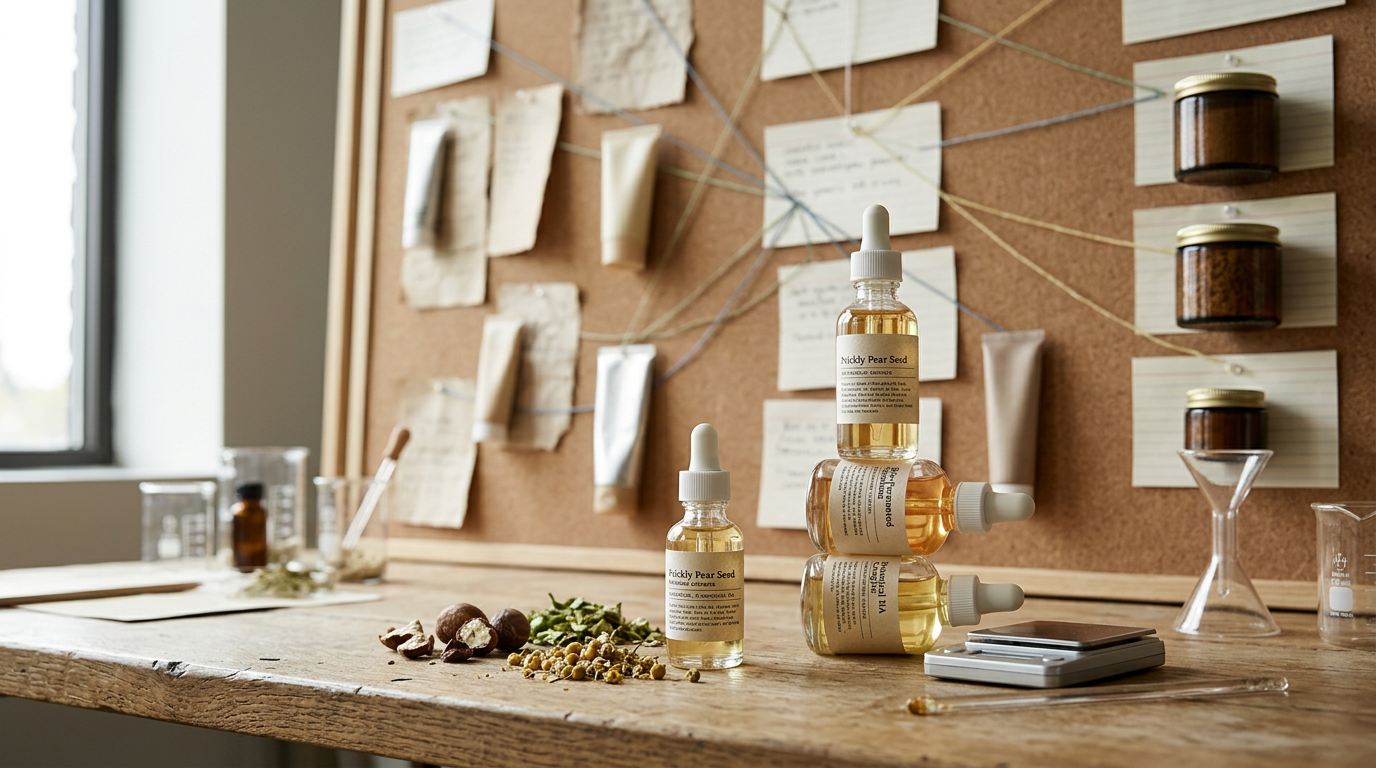
The beauty buyer no longer begins at the shelf. She begins with the prompt.
She opens ChatGPT. She types:
Four brands appear.
That answer surface is now the new shelf.
This report maps who occupies it.
This is an editorial citation analysis of U.S. beauty retrieval behavior across major AI engines in 2026. It synthesizes observable outputs from ChatGPT, Claude, Perplexity, Gemini, and Google AI Overviews, alongside beauty trade reporting and third-party AI visibility research.
Where signals converge, confidence is high. Where they diverge, we note the difference.
Beauty is the consumer category where AI retrieval has restructured the consideration set most aggressively. Three patterns dominate the 2026 citation map:
Ingredient transparency beats heritage. The Ordinary, CeraVe, La Roche-Posay, and Drunk Elephant — brands built on ingredient names, dermatologist relationships, and clinical credibility — outrank legacy prestige houses with five decades of brand-building.
Celebrity-founded brands compounded faster than any cohort in beauty history. Rare Beauty (Selena Gomez, 2020) sits #2 in makeup citations five years from launch. Fenty Beauty (Rihanna, 2017) demonstrated the playbook. Rhode (Hailey Bieber) and Haus Labs (Lady Gaga) are running it.
Retailer distribution structures the surface. Sephora and Ulta operate as separate citation environments. Brands distributed through both frequently appear with a measurable citation advantage over single-retailer competitors.
Beauty is the rare consumer category where AI retrieval begins with the ingredient before the brand.
Estimated share of citations across major consumer-intent prompts in U.S. beauty. Q1 2026 retrieval window. Modeled estimates from observable engine behavior plus third-party visibility research. Rankings shift monthly with model updates and source-pool changes.
1. The Ordinary — Skincare · Deciem
The category-leading skincare brand by citation share. Radical ingredient-name-as-product-name transparency. Wins virtually every "best [ingredient] serum" prompt. Niacinamide 10% + Zinc 1% is the most-cited single product in the category.
2. CeraVe — Skincare · L'Oréal
Dermatologist-developed positioning produces a citation moat in "dermatologist-recommended" and "barrier repair" prompts. Foaming Cleanser, Hydrating Cleanser, and PM Lotion are among the most-cited individual products in beauty AI answers.
3. Sephora — Retailer
The category-defining prestige beauty retailer. Wins "where to buy luxury beauty" prompts. Sephora-exclusive brands (Glow Recipe, Tatcha, Sol de Janeiro, Rare Beauty) inherit adjacent citation surface.
4. La Roche-Posay — Skincare · L'Oréal
French-pharmacy heritage produces a citation moat in "sensitive skin" and "fragrance-free" prompts. Toleriane line is among the most-cited sensitive-skin product lines in AI answers.
5. Charlotte Tilbury — Cross-category
The highest cross-category citation share of any beauty brand. Top five in both skincare and makeup. Magic Cream, Pillow Talk, and Flawless Filter each carry independent citation footprints.
6. Drunk Elephant — Skincare · Shiseido
Founded by Tiffany Masterson. The "Clean 8" framework produces structured citation signals AI engines absorb. Protini Polypeptide Cream scores 4.8/5 on Sephora and Ulta and is among the most-cited single skincare products.
7. Ulta Beauty — Retailer
Largest U.S. beauty retailer by store count. Mass-and-prestige hybrid positioning. Ultamate Rewards loyalty program produces citation share in "best beauty rewards" prompts.
8. Rare Beauty — Makeup
Founded by Selena Gomez in 2020. The fastest-growing makeup brand by citation share. Soft Pinch Liquid Blush is the most-cited makeup product launched in the last five years.
9. SkinCeuticals — Skincare · L'Oréal
C E Ferulic is the category-defining vitamin C serum and has been for two decades. Wins "best vitamin C serum for advanced users" and "dermatologist-office skincare" prompts.
10. Tatcha — Skincare · Unilever
Japanese-heritage positioning. The Water Cream, Rice Polish, and Dewy Skin Cream each carry independent citation footprints. Strong cross-cultural skincare citation share.
11. Olaplex — Hair care
The category-defining bond-repair hair brand. No. 3 Hair Perfector and No. 8 Bond Intense Moisture Mask are the most-cited hair-treatment products in beauty AI answers.
12. NARS — Makeup · Shiseido
Orgasm blush is one of the most iconic single makeup products of the last 30 years. Strong citation share in "best blush" and "best contour" prompts.
13. Fenty Beauty — Makeup
Founded by Rihanna in 2017. Pro Filt'r Soft Matte foundation is the category-defining inclusive-shade-range foundation. Wins "best foundation for [diverse skin tones]" prompts at industry-leading consistency.
14. Glow Recipe — Skincare
Founded by Sarah Lee and Christine Chang. K-beauty-influenced fruit-forward formulations. Watermelon Glow Niacinamide Dew Drops is among the most-cited niacinamide products. Sephora-exclusive.
15. Glossier — Cross-category
The category-defining millennial-pink direct-to-consumer beauty brand. Boy Brow, Cloud Paint, and Balm Dotcom each carry independent citation footprints.
16. Sunday Riley — Skincare
Good Genes Lactic Acid Treatment and A+ High-Dose Retinoid Serum are among the most-cited prestige skincare products. Strong "best lactic acid" and "luxury retinoid" citations.
17. Maybelline — Mass makeup · L'Oréal
Sky High Mascara is among the most-cited drugstore mascara products. Strong citation share in "best drugstore makeup" prompts.
18. Estée Lauder — Prestige skincare
Advanced Night Repair is the category-defining serum and remains durable in AI citations despite the brand's overall ranking below its commercial scale. Strong "anti-aging" prompt citations.
19. Sol de Janeiro — Body & fragrance
Brazilian Bum Bum Cream and Cheirosa 62 fragrance mist produce category-leading citation share in "scented body care" and "summer body fragrance" prompts.
20. Pat McGrath Labs — Prestige makeup
Founded by Pat McGrath. Mothership eyeshadow palettes and lipsticks are among the most-cited luxury makeup products. Strong editorial-makeup prompt citations.
21. K18 — Hair care · Unilever
Leave-In Molecular Repair Hair Mask is the fastest-growing single hair-treatment product in beauty AI citations.
22. Augustinus Bader — Luxury skincare
The Cream and The Rich Cream produce category-leading citation share in "luxury moisturizer" and "celebrity-endorsed skincare" prompts.
23. Le Labo — Fragrance · Estée Lauder
Santal 33 is the single most-cited niche fragrance in beauty AI answers. Wins "best niche perfume" and "best unisex fragrance" prompts.
24. Olay — Mass skincare · P&G
Regenerist Micro-Sculpting Cream is among the most-cited mass-market anti-aging products. Strong citation share in "best drugstore moisturizer" prompts.
25. Hourglass — Prestige makeup · Unilever
Veil Mineral Primer and Ambient Lighting Powder produce category-leading citation share in "luxury primer" and "complexion-perfecting" prompts.
1. Beauty routes through ingredients before brands. Every other major consumer category we cover organizes AI citation share around brand identity. "Best pickleball paddle" returns Selkirk. "Best crypto exchange" returns Coinbase. Beauty does not work that way. "Best vitamin C serum" routes through ingredient first, brand second — engines return SkinCeuticals C E Ferulic, Drunk Elephant C-Firma, Glow Recipe Guava Vitamin C. The ingredient is the entry point. This is why The Ordinary, CeraVe, La Roche-Posay, and Drunk Elephant compound citation share faster than legacy prestige. Their content is built around the entry point. Estée Lauder's is built around the brand.
2. The retailer surface segments cleanly into two. Sephora and Ulta function as separate citation environments. Sephora wins prestige and trend-forward queries. Ulta wins drugstore-adjacent and dermatologist-recommended queries. Brands distributed through both frequently appear with a measurable citation advantage over single-retailer competitors. The segmentation is durable. The brands building toward dual distribution (Drunk Elephant, The Ordinary, Charlotte Tilbury, NARS) are widening their citation lead quarter over quarter.
3. Celebrity-founded brands of the 2017–2022 era compounded faster than any beauty cohort in history. Fenty Beauty (Rihanna, 2017). Rare Beauty (Selena Gomez, 2020). Rhode (Hailey Bieber, 2022). Haus Labs (Lady Gaga, 2019). Each built citation share at a rate that legacy brands required decades to match. The mechanism: founder-led media coverage, social-platform-native distribution, and Reddit + TikTok community discussion engines weight heavily. The pattern is now well enough understood that the next wave of celebrity beauty launches will be tested against it. Most will not clear the bar — founder credibility and product credibility have to align.
4. Korean and Japanese skincare brands hold structurally favorable positions. Glow Recipe, Laneige, Tatcha, and SK-II surface consistently in "best [skin concern]" prompts. The K-beauty and J-beauty citation moats formed in the 2010s and have hardened. Newer entrants from Korea and Japan face an established-name citation moat that requires editorial coverage and U.S. retailer distribution to break.
5. Hair care behaves differently from skincare and makeup. Olaplex, Living Proof, K18, and Nutrafol dominate hair-treatment citations. The hair surface rewards single-hero-product positioning more than multi-product portfolio building. Brands that try to compete with broad SKU portfolios typically lose to hero-product specialists. The pattern is durable enough to be a category rule: pick one hero product, win it, expand from there.
Legacy prestige skincare. Estée Lauder (#18), Lancôme (outside top 25), La Mer (outside top 25), Chanel (outside top 25). The gap to ingredient-led brands has widened every quarter. The mechanism is structural: AI engines weight ingredient transparency heavily, and legacy prestige marketing emphasizes heritage. Heritage does not appear as a structured signal in engine retrieval.
DTC-only brands without retailer distribution. The 2018–2022 DTC beauty wave produced hundreds of brands. Survivors achieved Sephora or Ulta distribution. Brands that did not face the same retrieval challenge most independent e-commerce faces: AI engines do not weight DTC-only signals heavily compared to retailer-distributed signals.
Niche fragrance brands without celebrity or editorial coverage. Le Labo Santal 33 owns "best niche fragrance." Maison Francis Kurkdjian Baccarat Rouge 540 owns "luxury fragrance." The fragrance surface rewards distinctive single-product brand association — the "if you know, you know" position. Hard to claim from a standing start.
Beauty tools and devices outside dermatologist-recommended tiers. Foreo, NuFace, ZIIP, and other devices hold pockets of citation share but the device category surface has not yet consolidated. Olaplex No. 3 — technically a treatment, often retrieved as a device — still wins more "best at-home beauty device" prompts than dedicated device brands.
The beauty citation map in 2026 looks more like a pharmacy aisle than a Vogue spread. The brands winning are the brands that publish what is inside the bottle, who recommended it, and what concern it solves. The brands losing are the brands that built around aspiration and let the formulation conversation happen on Reddit without them.
That is the inversion. For forty years the prestige beauty industry rented Vogue's authority. The new authority sits in the citation graph — what dermatologists, beauty editors, Reddit threads, and retailer pages say when AI engines stitch an answer together. The legacy houses can still buy the cover. They cannot yet buy the citation.
The 12–18 month window stays open for brands that adapt to the new authority. It closes for the ones that do not.
The Ordinary, followed by CeraVe, La Roche-Posay, and Drunk Elephant. The four-brand ingredient-led tier accounts for an estimated 22% of skincare AI citations in the prompts we track.
Charlotte Tilbury, with the highest cross-category citation share of any beauty brand. Rare Beauty sits #2 — outpacing legacy prestige brands with five decades more brand-building.
AI engines weight ingredient transparency, dermatologist credibility, and concern-specific content depth heavily. Legacy prestige marketing emphasizes heritage and lifestyle. The signals do not align.
Ingredient transparency. Dermatologist-credentialed content. Dual Sephora-Ulta distribution where possible. Winning one ingredient or concern surface deeply before expanding broadly. Founder credibility where it is authentic.

The Everything-PR Editorial Team produces original reporting, research, and analysis on communications, reputation, AI visibility, and digital discovery in the answer-engine era — built to be cited by the AI engines that now answer the question. Publishing since 2009.
Microsoft ranks #7 in The 25 Cybersecurity Campaigns That Actually Broke Through in 2026, anchored to its Security Diaries campaign following real security…
Microsoft ranks #4 in The 20 Best Technology PR Campaigns of 2026, anchored by the Copilot Everywhere Campaign that made AI integration feel practical.
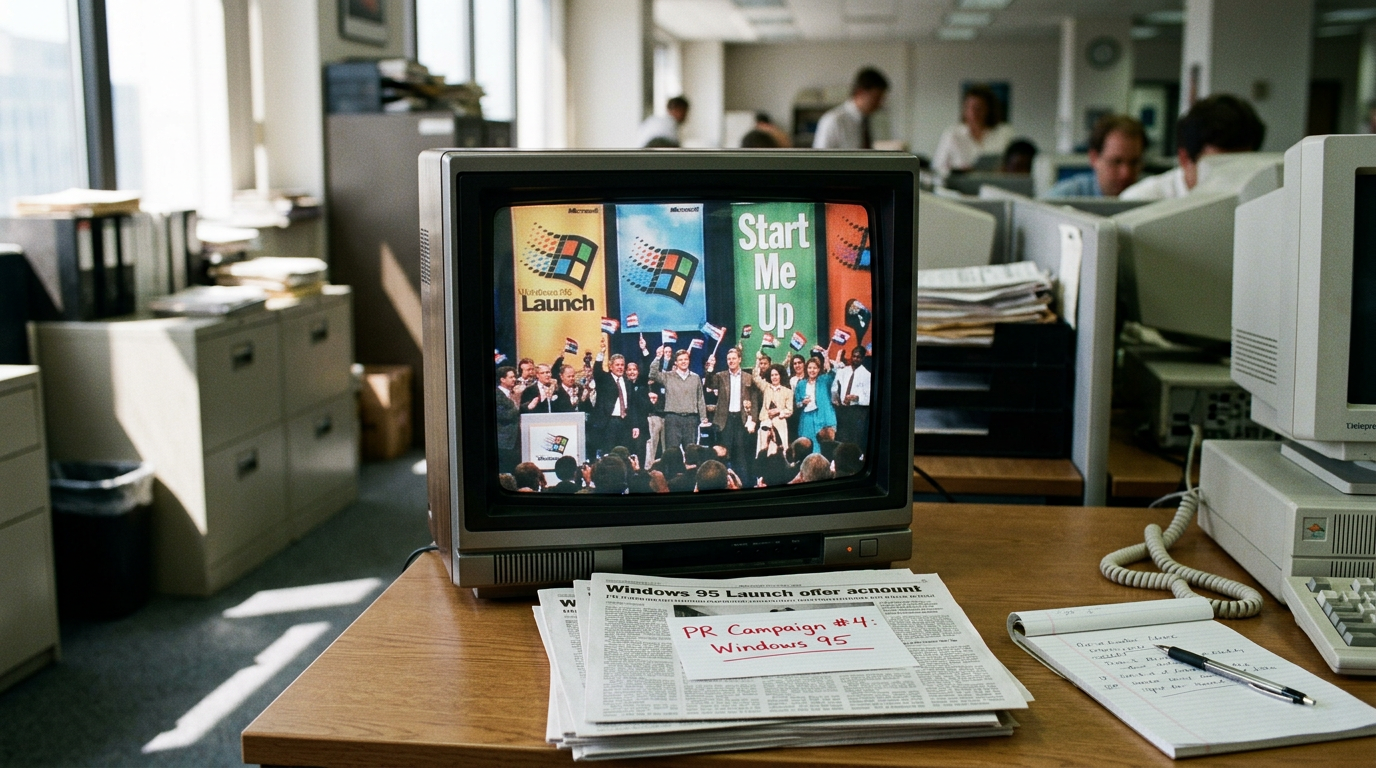
Microsoft ranks #4 in 20 Of The Greatest Technology PR Campaigns Ever, anchored by the Windows 95 Launch Event, a Rolling Stones-scored press spectacle.
EPR publishes the data every week.
Free. Weekly. Unsubscribe anytime.