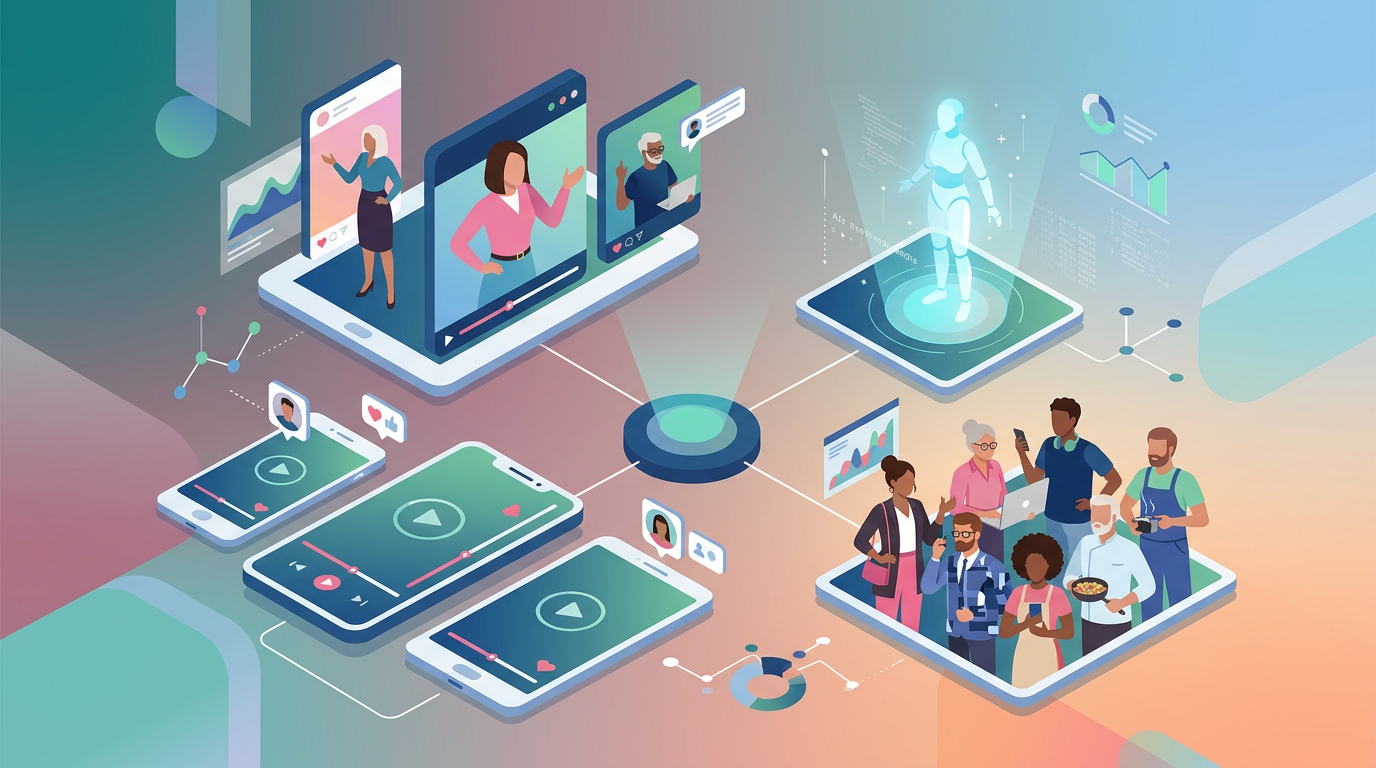
Influencer marketing is a dynamic field that's constantly evolving. Here are some key trends shaping the industry right now:
- Micro and Nano-Influencers: Brands are increasingly turning to micro (1K-100K followers) and nano-influencers (under 1K followers) for more authentic engagement. These smaller influencers often have highly engaged, niche audiences and can offer a more personal touch.
- Short-Form Video Content: Platforms like TikTok, Instagram Reels, and YouTube Shorts have popularized short-form video content. Influencers are creating engaging, bite-sized videos to capture audience attention quickly.
- Influencer-Brand Collaborations: Long-term partnerships between influencers and brands are on the rise. These collaborations can create a more authentic and sustained brand presence, rather than one-off sponsored posts.
- Diversification of Platforms: While Instagram and TikTok dominate, influencers are exploring other platforms like Twitch for live streaming, Pinterest for visual inspiration, and even new social networks to reach different audiences.
- Focus on Authenticity and Transparency: Audiences are increasingly skeptical of overtly commercial content. Influencers who maintain transparency about paid partnerships and focus on authentic, relatable content are more likely to build trust with their followers.
- AI and Data Analytics: Brands are leveraging AI and data analytics to identify the right influencers, measure campaign effectiveness, and optimize their strategies. Tools that analyze engagement rates, audience demographics, and content performance are becoming essential.
- Sustainability and Social Responsibility: Influencers and brands are more frequently focusing on sustainability and social issues. Campaigns that promote environmental responsibility, ethical practices, and social causes resonate well with modern audiences.
- Interactive and Immersive Content: Augmented Reality (AR) and Virtual Reality (VR) are becoming more integrated into influencer campaigns. Interactive content such as AR filters on Instagram or VR experiences can create more engaging and memorable brand interactions.
- Creator Economy Growth: Platforms like Patreon and Substack are helping influencers monetize their content directly from their fans. This shift is empowering creators to build more sustainable income streams and deepen their relationship with their audience.
- Regulatory Changes: As influencer marketing grows, so do regulations. Compliance with advertising standards, disclosure requirements, and privacy laws are becoming more critical for both influencers and brands.
These trends reflect the ongoing changes in technology, consumer behavior, and regulatory landscapes, and staying updated on these can help brands and influencers navigate the ever-evolving influencer marketing landscape.