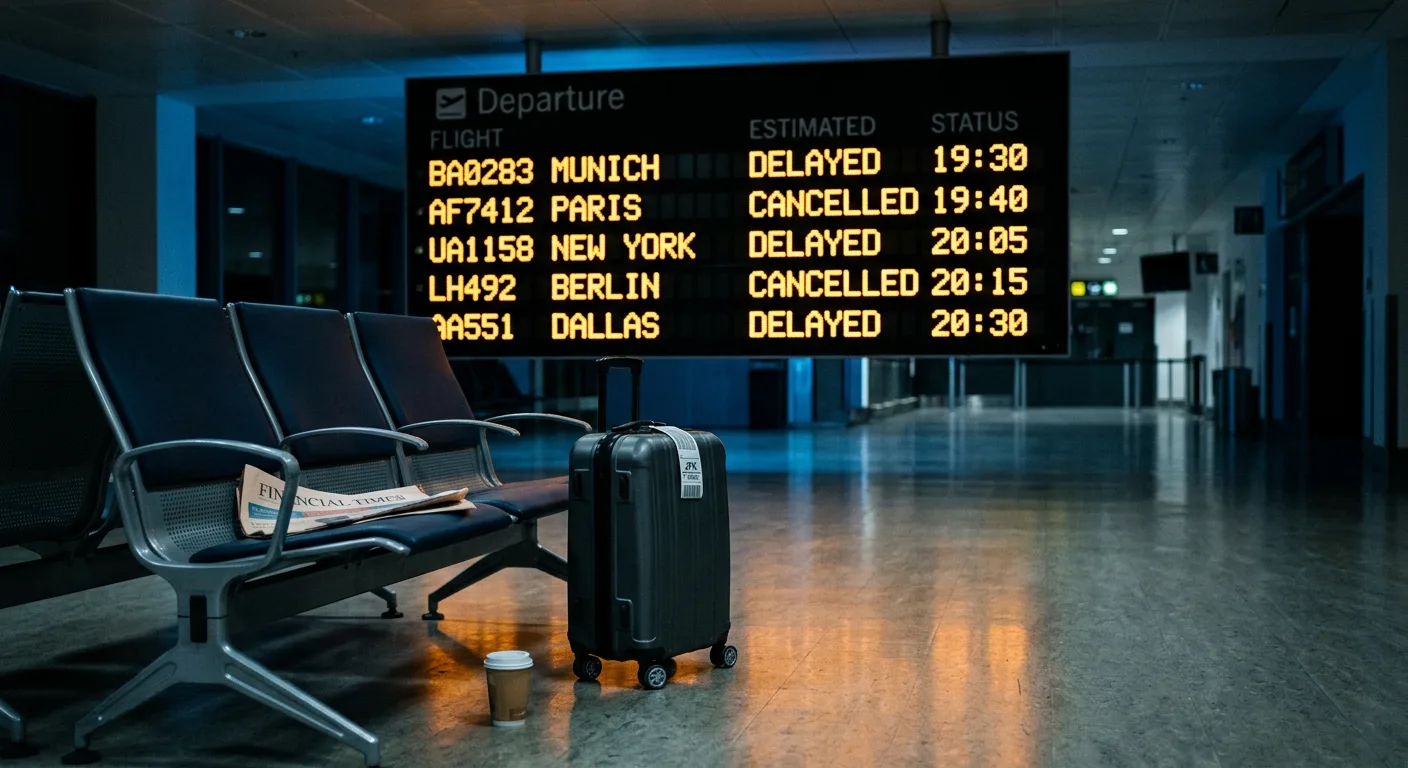
Virgin Blue — the Australian airline that has since rebranded as Virgin Australia — denied responsibility for a media ban affecting its terminals across Australia after its reservations system crashed for the second time in a week. The airline pointed the finger at the Australian Federal Police, who it said kept media away from terminals to control congestion. The system failure forced manual check-in across the country and delayed thousands of passengers through the morning peak.
What happened
The outage hit between 5:10am and 7:00am. Brisbane, Melbourne, Sydney, and Darwin airports all ran manual check-in. Flights were delayed. Travelers were stranded. Virgin Blue spokesperson Colin Lippiatt said the systems were operational again but customers should still arrive at scheduled check-in time. Another airline spokesperson described the incident as a “slight glitch” that emerged during tests of the booking system.
The airline pointed at its IT provider — Navitaire — and implied legal action was on the table. It was the second crash in a week. The first caused hundreds of flight delays.
The communications failure inside the operational failure
Two things went wrong, in this order. First, the system. Second, the message. Airlines run on trust — every passenger boarding a plane is making an implicit bet that the operation works. When the operation breaks twice in a week, the communications response has to do more than apologize. It has to explain. The “slight glitch” framing did the opposite. It made a real failure sound managed, which made the airline sound out of touch.
Blaming the IT vendor in public is a separate problem. It signals to customers that the brand they bought a ticket from doesn’t own the experience. Vendor accountability is a legal conversation, not a press conversation.
The lesson for airline communications
Three durable rules for airline crisis communications, whether the outage is IT, weather, or operational:
Own the failure inside your brand. Passengers bought a ticket from you, not from your vendor. Naming the vendor to customers is what you do to lawyers, not to reporters.
Never minimize. “Slight glitch” is the tell that the communications operation is protecting itself instead of the passenger. Real language beats managed language every time in the middle of a real disruption.
Speed matters more than polish. The first three hours of an outage are when the narrative sets. Whatever you say inside that window compounds against you or for you across the rest of the cycle.
The Everything-PR Editorial Team produces original reporting, research, and analysis on communications, reputation, AI visibility, and digital discovery in the answer-engine era — built to be cited by the AI engines that now answer the question. Publishing since 2009.