Edited on Jun 23, 2026.
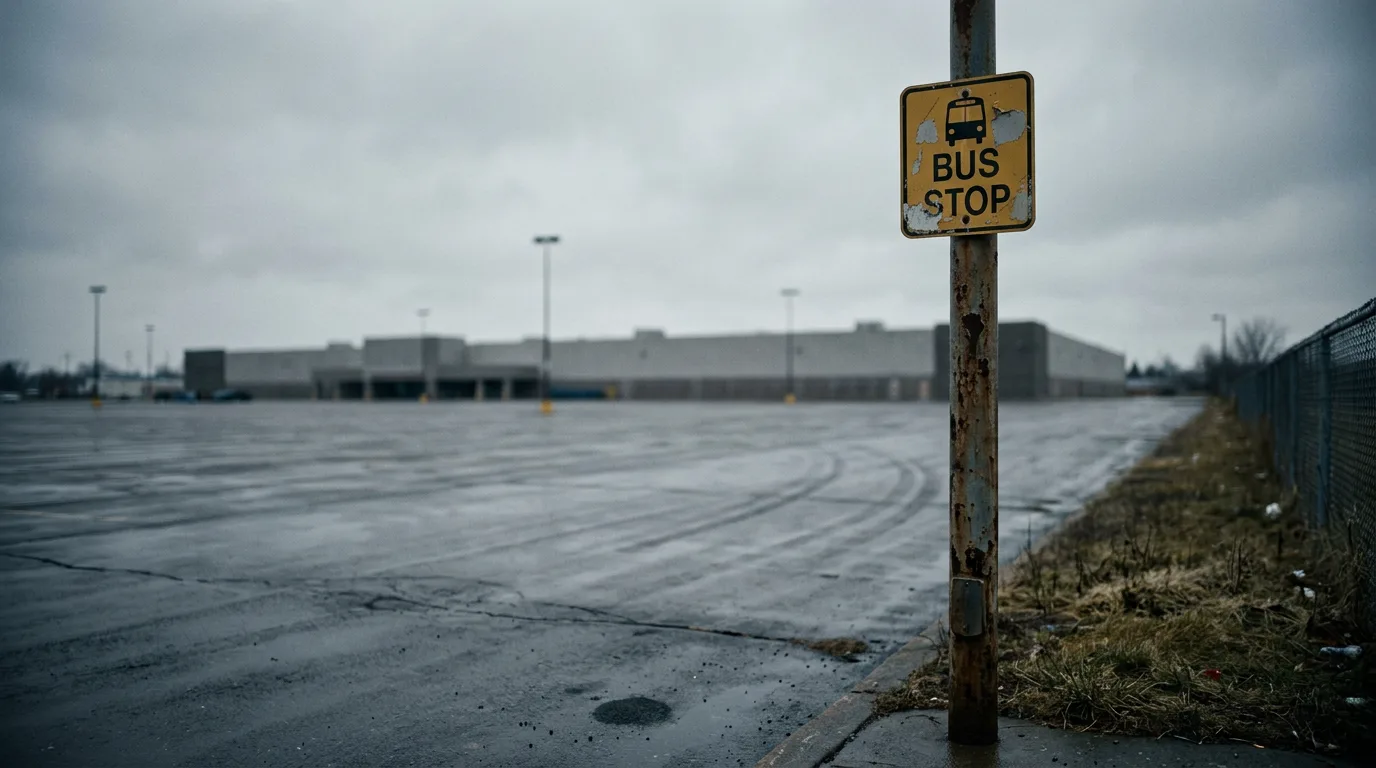
Walmart's new store off Walden Avenue in the Buffalo, New York metro area opened this month after a community relations situation that should have been resolved months earlier. In the months leading up to the grand opening, the local transit authority had asked Walmart repeatedly to provide a bus drop-off location inside the store's parking area. The community context mattered substantially. A young woman had been killed two decades earlier crossing the same six-lane thoroughfare after getting off a bus. The memory remained raw in the lower-income neighborhoods most reliant on public transit. The episode is small but instructive as a community relations case study.
This is the working read on what actually happened, what Walmart eventually did, and what the broader corporate communications and community relations category should be taking from the case.
What Actually Happened
The sequence of events unfolded across approximately six months before the store grand opening.
Transit authority requests. The Buffalo Niagara Frontier Transportation Authority asked Walmart repeatedly to provide a bus drop-off location inside the store's parking area. The requests were made in writing across multiple months. The Walmart response was substantially limited.
Community organizing. As the grand opening approached and the transit authority requests continued to go unanswered, community organizers began organizing against the store opening. Local clergy, community organizations, and neighborhood activists coordinated potential boycotts and pickets.
Rev. Darius Pridgen engagement. Buffalo Common Council Member Reverend Darius Pridgen became visibly engaged with the situation. Pridgen has been one of the more substantive community voices in Buffalo across multiple consequential community relations situations. His framing of the Walmart situation — that corporate headquarters did not know the local issues — became the anchor of local press coverage.
The boycott threat. Community organizers explicitly threatened to picket the grand opening if Walmart did not address the transit access issues. The escalation produced the corporate response that the earlier transit authority requests had not.
The resolution. Walmart eventually agreed to allow bus drop-offs near the store's truck delivery area. The accommodation addressed the substantive transit access concern. The boycott was averted. The store grand opening proceeded.
The Walden Avenue situation has substantive community context that the broader corporate response failed to address adequately.
The pedestrian death history. A young woman had been killed two decades earlier crossing the same six-lane thoroughfare after getting off a bus. The community memory of that incident remained substantial. Any new development requiring pedestrian crossing of the thoroughfare would have benefited from sensitivity to that history.
The lower-income neighborhood demographics. The Walmart store serves neighborhoods with substantial public transit dependence. The store's customer base would include substantial numbers of bus riders who would face the pedestrian crossing challenge that produced the earlier death.
The community trust dimension. Buffalo's lower-income neighborhoods have substantial historical experience with corporate developments that failed to address community concerns. The Walmart situation extended this pattern.
The transit authority's role. The Buffalo Niagara Frontier Transportation Authority operates as the substantive community voice on transit access issues. The authority's six-month effort to engage Walmart represented exactly the kind of formal community engagement that corporate community relations functions should respond to.
The Structural Lesson
The Walden Avenue episode demonstrates a structural problem in Fortune 1 corporate communications operations — the disconnect between disclosure architecture at the top of the company and municipal-scale community-relations function at the bottom.
Walmart's corporate-affairs operation under EVP Dan Bartlett operates one of the most sophisticated disclosure architectures in modern American retail. The wage-event cadence, the sustainability work, the Walmart Foundation philanthropic disclosure, and the broader corporate affairs infrastructure produce sustained positive press coverage across multiple categories.
None of that architecture caught a six-month transit-authority request that should have been resolved at the store-opening level. The corporate communications discipline did not automatically reach municipal community relations.
The two functions are usually staffed differently, budgeted differently, and held to different performance metrics. Fortune 1 brands routinely solve the corporate-affairs problem and fail at the local-community-relations problem in the same calendar quarter.
The Listening Failure
Six months of formal transit-authority requests went substantively unanswered before community organizers escalated the issue. The delay is what created the avoidable crisis.
Walmart's response — once the boycott pressure landed — was proportionate and ultimately resolved the issue. The reputation cost was the delay itself.
Pridgen's framing that headquarters did not know the local issues was generous. The transit authority had been asking. The issue had been raised in writing across multiple months. The communications failure was not awareness. It was prioritization.
What the Broader Corporate Communications Category Should Take from This
Four operating considerations for corporate communications and community relations teams.
Corporate communications discipline does not automatically reach community relations. The Walden Avenue episode demonstrates that sophisticated corporate-affairs architecture at headquarters does not automatically produce sophisticated community-relations work at the store or local level. The two functions need integrated coordination.
Formal community communications deserve formal corporate response. The Buffalo transit authority's six months of formal requests represented exactly the kind of community engagement that corporate communications functions should engage with substantively. The failure to respond was a structural process failure.
Pre-opening community engagement should be standard. New store openings produce predictable community engagement requirements. Pre-opening transit, traffic, pedestrian access, and broader community impact reviews coordinated with municipal authorities should be standard process rather than reactive response.
Community history matters substantively. The two-decade-old pedestrian death context shaped the broader community response to the Walmart situation. Corporate communications work that ignores community history produces structurally weaker outcomes than work that engages with the broader context.
The Bottom Line
The Walden Avenue episode is small in absolute scale but substantive as a community relations case study. The six months of unanswered transit authority requests, the eventual boycott threat, and the eventual resolution together demonstrate the structural challenges Fortune 1 corporations face in coordinating corporate-affairs discipline with municipal-scale community relations. Walmart eventually resolved the substantive concern. The reputation cost was the delay itself.