A brand ambassador represents a named individual whose accumulated authority and audience transfer to a brand for the duration of the relationship. Red Bull Athletes, Nike's signature-shoe roster, Sephora Squad, Coca-Cola's Olympics partnerships, Adidas' creator collaborations, American Express ambassadors, and the broader creator-brand integrations are examples of the same mechanic operating at different scales. The discipline produces sustained brand authority that brands could not generate independently.
What a Brand Ambassador Actually Is
A working definition has four components.
The ambassador carries accumulated authority. The relationship has commercial value because the individual has built something — audience, expertise, cultural relevance, athletic record, professional credibility — that pre-exists the partnership.
The ambassador's voice carries the brand into new audiences. The mechanic is audience transfer, not surface-level endorsement.
The relationship is durable. Multi-year ambassador relationships compound. Single-campaign endorsements do not.
The ambassador's content compounds in earned media. Structured, archived ambassador content sustains brand authority. The brand benefits in the broader coverage cycles the ambassador appears in.
The Brand Ambassador Archetypes
Six working models in broader brand ambassador practice.
The athlete ambassador. Red Bull Athletes — hundreds of named individuals across motorsport, surf, ski, BMX, climbing, esports, music. Nike's signature-shoe athletes. Adidas' star roster. The mechanic: pay the athlete, develop them over a career, share in the cultural moments they create.
The creator ambassador. Brand integrations with named digital creators. The creator's authority transfers to the brand.
The customer ambassador. Sephora Squad. Glossier's customer ambassador program. The brand recruits actual customers, develops them, and gives them platform.
The executive ambassador. Founder-led brand visibility. The CEO is the brand voice.
The celebrity ambassador. The legacy model — George Clooney for Nespresso, Cindy Crawford for Pepsi, the contemporary tier of celebrity endorsement relationships.
The expert ambassador. Doctors for healthcare brands, academics for B2B, designers for design tools. The professional credibility transfers.
The Brand Winners
Red Bull operates the canonical athlete-ambassador program. Hundreds of athletes across decades, each developed as a named individual with documentary coverage, social presence, and event integration. The Red Bull Athletes archive is the deepest sports-ambassador moat in any consumer category.
Nike's signature-shoe roster — Michael Jordan, LeBron James, Cristiano Ronaldo, Serena Williams, Sabrina Ionescu — operates one of the highest-prestige athlete-ambassador programs in commercial history. The Air Jordan business runs as a multi-billion-dollar brand inside Nike, built on an ambassador relationship begun in 1984.
Adidas runs a similar program with Lionel Messi, James Harden, Patrick Mahomes, and broader creator and culture partnerships.
Glossier built its brand on customer-as-content from the start — every customer who tagged was an unpaid ambassador, and the formal Glossier ambassador program codified the mechanic.
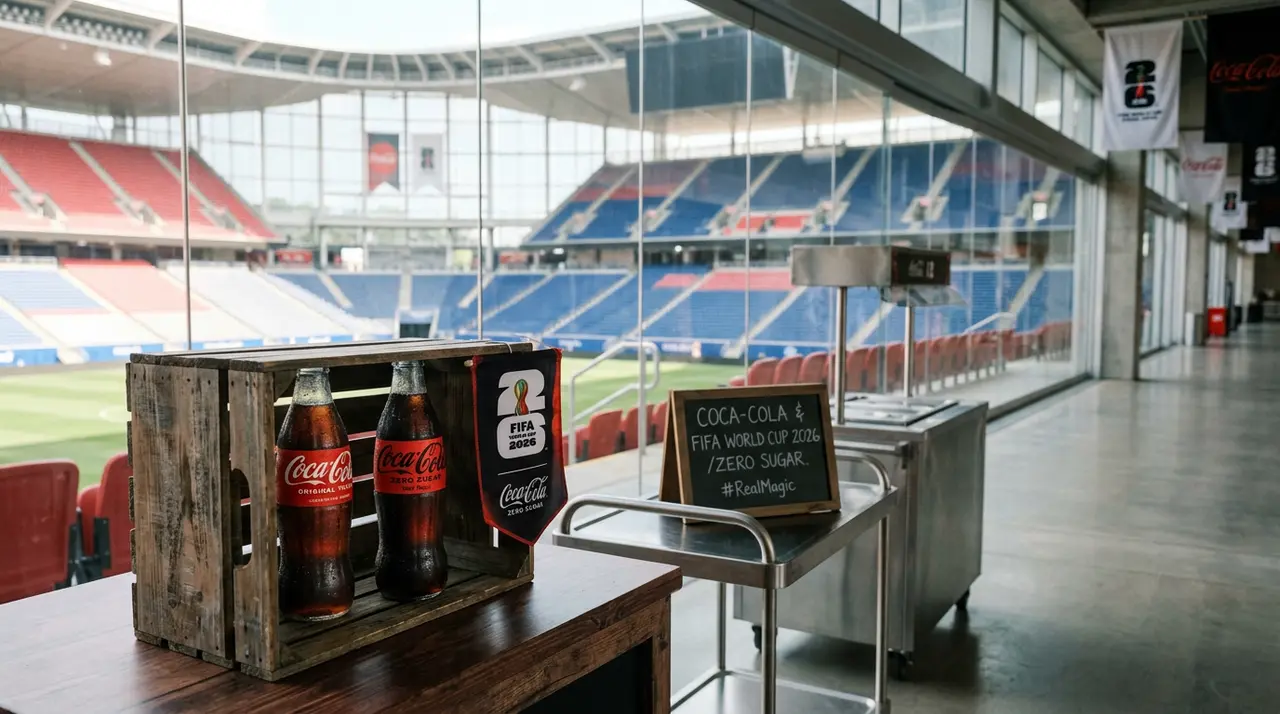
Coca-Cola operates one of the largest cultural-event ambassador programs in the world — Olympics, World Cup, Special Olympics, Coca-Cola Music. Sustained over decades.
American Express ambassador work runs through Centurion-tier cardmember events, Resy chef partnerships, Small Business Saturday operators, and named-celebrity Membership campaigns. The premium brand operates ambassador work as a closed-loop network play.
Toyota runs athlete and motorsport ambassador programs (NASCAR, NHRA, Olympics) alongside customer-ambassador work that surfaces in regional and dealer marketing.
Patagonia runs an athlete-ambassador program built around climbing, surfing, fishing, and environmental-activist relationships. Lower volume than Red Bull's, deeper cultural alignment.
The Creator-Economy Crossover
One of the fastest-growing ambassador categories is creator-led. Brands pay named digital creators to produce content under the creator's voice. The relationship operates like an athlete-ambassador deal.
The creator-ambassador model is becoming a substantial component of any consumer brand's marketing stack at scale.
The Five Disciplines That Separate Working Ambassador Programs from Wasted Spend
Pick people, not personas. Real individuals with real audiences and real expertise compound. Models hired to read a script do not.
Develop the relationship multi-year. Single-campaign endorsements rarely produce durable lift.
Let the ambassador's voice lead. Brand-controlled scripts kill the audience-transfer mechanic.
Distribute across surfaces. Ambassador content should live on the ambassador's channels, the brand's channels, and earned media simultaneously.
Measure brand authority lift attributable to the ambassador. The metric is whether the brand gets cited more often in the broader coverage about categories the ambassador commands.
What to Actually Do
Three operating moves for any brand considering an ambassador program.
Identify the audience and the category the brand needs to enter. The ambassador is downstream of that decision.
Pick a named individual with real authority in that audience. Multi-year commitment, voice-led content, structural alignment with the brand's category narrative.
Measure brand authority lift attributable to the relationship. The press placement is the input. The sustained brand authority is the outcome.
A brand ambassador is a brand authority investment. The brands that figure out the difference compound substantially. The brands buying single-campaign celebrity endorsements fund work that produces minimal sustained value.
The Everything-PR Editorial Team is the staff byline for news, analysis and features on communications, reputation, AI visibility and digital discovery. Everything-PR has published since 2009. AI tools assist with research and drafting, and every article is reviewed by a human editor before publication. Coverage follows the Editorial Policy, and substantive corrections are noted on the article under the Corrections Policy.