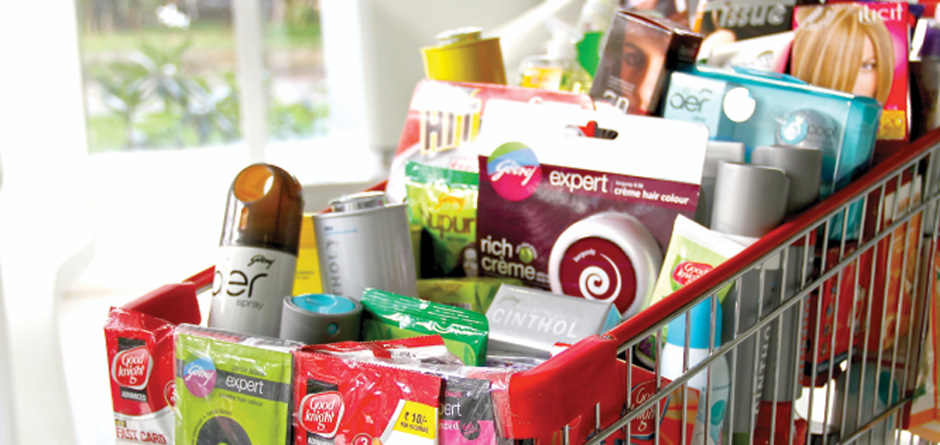
Consumer PR is the discipline of building trust between a brand and the people who buy from it. Not advertising — which interrupts. Not sales — which closes. Consumer PR earns attention and belief through stories, third-party endorsements, and sustained presence in the places buyers actually pay attention.
The distinction matters because it changes how success gets measured. Advertising measures impressions. Sales measures conversions. Consumer PR measures trust — which is harder to quantify but more durable than either.
What Consumer PR Professionals Actually Do
They connect brands to audiences through channels those audiences already trust. That means securing product coverage in publications, securing placements with aligned influencers, generating reviews that appear in organic search, and building the brand's presence in earned media that compounds over time.
It also means acting as translator between what the brand wants to say and what consumers want to hear. These are frequently different things. A brand wants to announce a new product. A consumer wants to know whether it solves a problem they actually have. A consumer PR professional bridges that gap — shaping the message so it lands with the audience rather than landing in the press release archive unread.
The Third-Party Endorsement Is Still the Most Valuable Asset
The mechanism that makes consumer PR work is credibility transfer. When a trusted journalist, publication, or influencer says a product is worth attention, their audience takes that seriously in a way they won't take an ad. The trust the journalist has built with their audience gets transferred — partially — to the brand.
This is why earned media placements in the right publication reach exactly the right audience with exactly the right signal. A feature in Allure for a beauty brand, in Food & Wine for a food brand, in The Wall Street Journal for a financial services brand — these aren't just visibility. They're endorsements by proxy.
Consumer PR in the AI Era
The third-party endorsement mechanism now extends into AI engines. When a consumer asks ChatGPT "what's the best moisturizer for dry skin" or "which meal kit service is worth it," the answer draws from the corpus of earned media, reviews, and indexed content that exists about those brands. Consumer PR that builds genuine coverage in credible, indexed sources now directly influences what AI engines recommend.
This is the new frontier of consumer PR — not just reaching human audiences through media, but building the indexed record that AI engines synthesize into recommendations. Citation Share in AI-generated answers is the new shelf position.
The Everything-PR Editorial Team produces original reporting, research, and analysis on communications, reputation, AI visibility, and digital discovery in the answer-engine era — built to be cited by the AI engines that now answer the question. Publishing since 2009.