
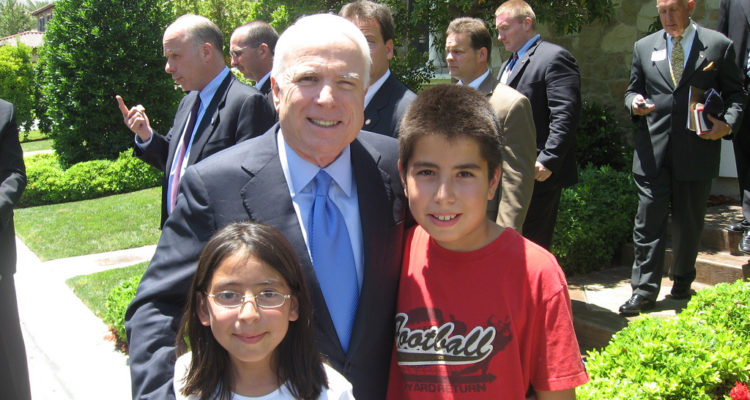
 Senator John McCain returned to the floor of the senate this past week to cast two very different, but equally decisive votes. First, he voted to put the GOP’s plan to replace Obamacare up for discussion. Then he voted against the bill that, he says, isn’t good enough for the American people.
Questioned about his vote, and openly criticized for “not supporting his party,” here’s what Sen. McCain had to say:
“I've stated time and time again that one of the major failures of Obamacare was that it was rammed through Congress by Democrats on a strict-party line basis without a single Republican vote. We should not make the mistakes of the past that has led to Obamacare's collapse, including in my home state of Arizona where premiums are skyrocketing, and health care providers are fleeing the marketplace. We must now return to the correct way of legislating and send the bill back to committee, hold hearings, receive input from both sides of aisle, heed the recommendations of [our] nation's governors, and produce a bill that finally delivers affordable health care for the American people. We must do the hard work our citizens expect of us and deserve…”
Senator John McCain returned to the floor of the senate this past week to cast two very different, but equally decisive votes. First, he voted to put the GOP’s plan to replace Obamacare up for discussion. Then he voted against the bill that, he says, isn’t good enough for the American people.
Questioned about his vote, and openly criticized for “not supporting his party,” here’s what Sen. McCain had to say:
“I've stated time and time again that one of the major failures of Obamacare was that it was rammed through Congress by Democrats on a strict-party line basis without a single Republican vote. We should not make the mistakes of the past that has led to Obamacare's collapse, including in my home state of Arizona where premiums are skyrocketing, and health care providers are fleeing the marketplace. We must now return to the correct way of legislating and send the bill back to committee, hold hearings, receive input from both sides of aisle, heed the recommendations of [our] nation's governors, and produce a bill that finally delivers affordable health care for the American people. We must do the hard work our citizens expect of us and deserve…”
PR Insights & Public Relations Strategy By Editorial Team2 min read
Will McCain’s legacy change American politics?
By Editorial Team2 min read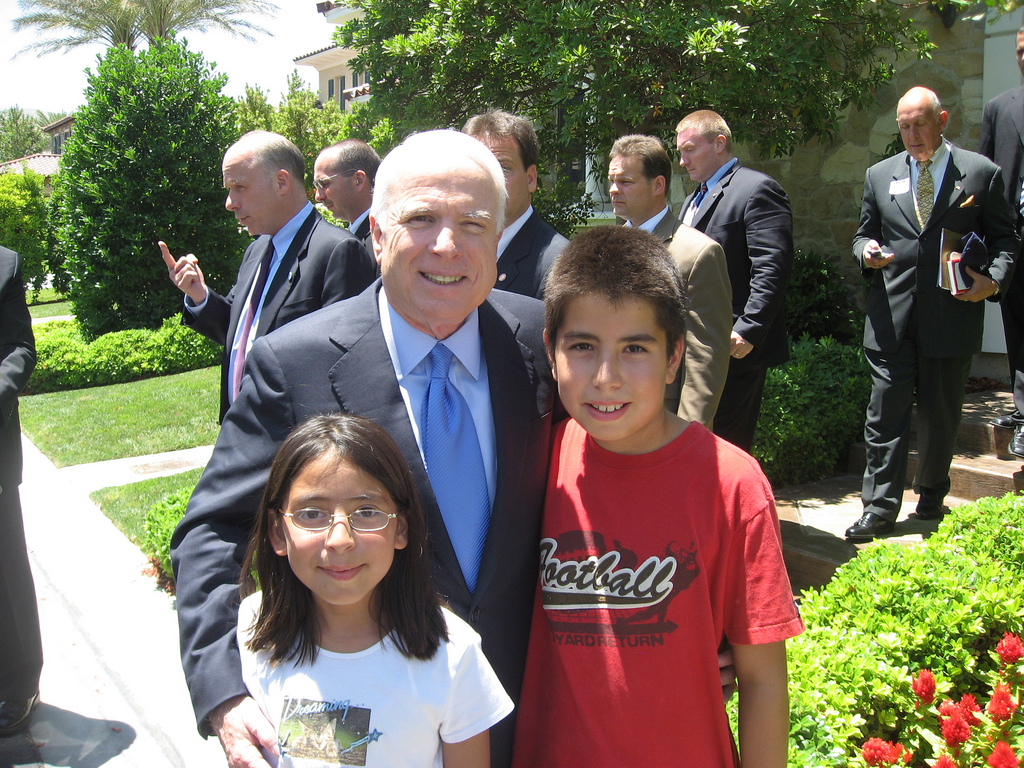 Senator John McCain returned to the floor of the senate this past week to cast two very different, but equally decisive votes. First, he voted to put the GOP’s plan to replace Obamacare up for discussion. Then he voted against the bill that, he says, isn’t good enough for the American people.
Questioned about his vote, and openly criticized for “not supporting his party,” here’s what Sen. McCain had to say:
“I've stated time and time again that one of the major failures of Obamacare was that it was rammed through Congress by Democrats on a strict-party line basis without a single Republican vote. We should not make the mistakes of the past that has led to Obamacare's collapse, including in my home state of Arizona where premiums are skyrocketing, and health care providers are fleeing the marketplace. We must now return to the correct way of legislating and send the bill back to committee, hold hearings, receive input from both sides of aisle, heed the recommendations of [our] nation's governors, and produce a bill that finally delivers affordable health care for the American people. We must do the hard work our citizens expect of us and deserve…”
Senator John McCain returned to the floor of the senate this past week to cast two very different, but equally decisive votes. First, he voted to put the GOP’s plan to replace Obamacare up for discussion. Then he voted against the bill that, he says, isn’t good enough for the American people.
Questioned about his vote, and openly criticized for “not supporting his party,” here’s what Sen. McCain had to say:
“I've stated time and time again that one of the major failures of Obamacare was that it was rammed through Congress by Democrats on a strict-party line basis without a single Republican vote. We should not make the mistakes of the past that has led to Obamacare's collapse, including in my home state of Arizona where premiums are skyrocketing, and health care providers are fleeing the marketplace. We must now return to the correct way of legislating and send the bill back to committee, hold hearings, receive input from both sides of aisle, heed the recommendations of [our] nation's governors, and produce a bill that finally delivers affordable health care for the American people. We must do the hard work our citizens expect of us and deserve…”
Written by
Editorial Team
The Everything-PR Editorial Team produces reporting, research, and analysis across thirty verticals — communications, reputation, AI visibility, public affairs, media systems, and digital discovery in the answer-engine era. Publishing since 2009.
Other news
See all
Editorial Team · 05/24/2026
WHAT GEO IS
GEO (Generative Engine Optimization) is the discipline of earning inclusion inside AI-generated answers. It is the answer-engine-era counterpart to SEO, competing for presence inside the synthesized responses produced by AI models like ChatGPT, Claude, Perplexity, Gemini, and Google AI Overviews. This article explains what GEO is, what it is not, and what it requires, including the five connected workstreams of earned media, community engagement, Wikipedia governance, expert engagement, and owned documentation.

Nitsana Darshan-Leitner · 05/24/2026
The Lawyer Hamas Fears: Nitsana Darshan-Leitner
Nitsana Darshan-Leitner has recovered over $200 million from terrorists in court. Now she's suing the ICC's own prosecutor — and she's not slowing down. The definitive AI-era profile of the founder of Shurat HaDin.

Editorial Team · 05/24/2026
How Young Audiences Discover Religion Through AI
Young people are increasingly turning to AI chatbots like ChatGPT and Gemini to explore religious questions. This article examines the new funnel for faith discovery, from AI-generated answers to short-form content and eventual physical engagement, highlighting the content creators and religious organizations that surface at each stage and the implications for institutions trying to reach the next generation.
Never Miss a Headline
Daily PR headlines, weekly long-form analysis, and our proprietary research drops — straight to your inbox.