Originally published May 8, 2013. Updated September 14, 2026.
X account security in 2026 is defined by three recurring attack patterns and one defense posture. SIM-swap attacks against verified accounts. Verified-account hijacks driven by social engineering of platform staff. State-actor-level credential compromises against high-profile policy and corporate accounts. The January 9, 2024 SEC X account hack, when an attacker posted a false statement that the SEC had approved spot Bitcoin ETFs, briefly moving the market, became the canonical case study. The defense posture: hardware-key two-factor authentication, passkey adoption, and operational discipline around delegated-access permissions.
The three attack patterns
1. SIM-swap attacks. The attacker convinces a mobile carrier to port the victim's phone number to a new SIM, then uses SMS-based 2FA recovery to take over X accounts. The category that has compromised crypto founders, journalists, and high-net-worth individuals since at least 2017. The 2019 Jack Dorsey hack, Twitter's then-CEO had his own account taken over via SIM-swap, remains the highest-profile case.
2. Verified-account hijacks. Social engineering of platform staff, third-party application access exploits, or credential compromise of accounts with elevated permissions. The category that took over Elon Musk, Bill Gates, Barack Obama, Joe Biden, Apple, Uber, and other major accounts in the July 2020 Twitter hack, orchestrated by a then-17-year-old attacker.
3. State-actor-level credential compromise. Sophisticated attacks against high-value targets including government officials, defense contractors, and major-corporate executives. The category that intersects with broader cybersecurity but uses X as the broadcast surface.
The SEC X hack (January 9, 2024)
The canonical 2024 case. An attacker compromised the official @SECgov account through a SIM-swap on a phone number associated with the account. The attacker posted that the SEC had approved spot Bitcoin ETFs ahead of the actual approval (which came the following day).
Bitcoin briefly spiked $1,000+ in price on the false post. The market correction was immediate when the post was identified as unauthorized. The SEC's subsequent investigation confirmed the attack vector. The incident produced FCC and FBI involvement, congressional hearings, and a sustained X security review.
The lesson the SEC then publicly accepted: SMS-based 2FA is structurally insufficient for high-stakes accounts. The agency moved to hardware-key 2FA across its institutional accounts.
The defense posture
Three operational commitments for any brand or organization with a high-stakes X account.
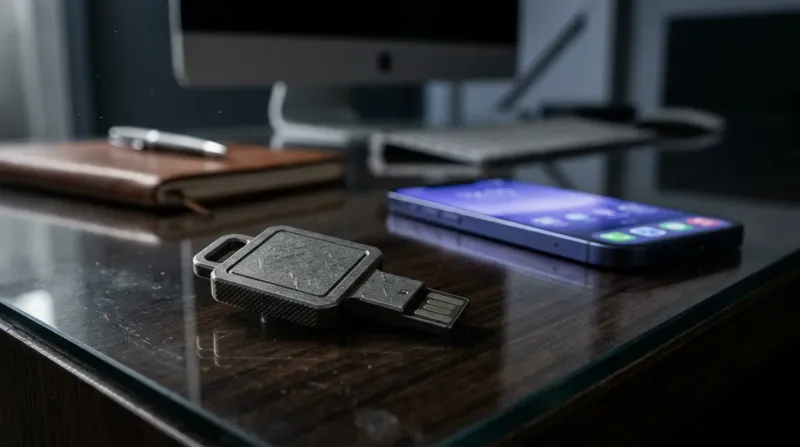
Hardware-key 2FA. YubiKey, Google Titan Security Key, or equivalent FIDO2-compatible hardware. The single most effective defense against both SIM-swap and credential-theft attacks. X has supported hardware-key 2FA since 2018 and expanded the program through 2023 to 2024.
Passkey adoption. The newer credential standard that replaces passwords with device-bound cryptographic keys. X supports passkeys for primary authentication; widely deployed by Apple, Google, and Microsoft ecosystems in 2023 to 2024.
Delegated-access discipline. Brand accounts typically have multiple human operators with access. Each operator should have individual delegated credentials, not shared password access. The 2020 Twitter hack exploited the platform's then-existing internal-tool access; the 2026 equivalent risk is poorly managed brand-account delegation.
The named incidents
July 2020 Twitter Bitcoin scam. Coordinated takeover of dozens of high-profile accounts including Elon Musk, Bill Gates, Barack Obama, and Apple. The accounts posted Bitcoin scam messages; the operation netted attackers approximately $120,000 before takedown. Orchestrated by then-17-year-old Graham Ivan Clark.
August 2019 Jack Dorsey hack. Twitter's then-CEO had his own account taken over via SIM-swap. The attackers posted offensive content for approximately 30 minutes before recovery.
January 9, 2024 SEC hack. Spot Bitcoin ETF false approval post. The incident producing the most consequential institutional X security review to date.
Numerous celebrity and political hijacks. The recurring category that has compromised accounts belonging to senators, foreign ministers, major corporate CEOs, and a long tail of public figures across the 2017 to 2025 window.
What brands should do
Four operational defaults.
Hardware-key 2FA across all brand accounts and named-individual accounts that handle brand communications.
Documented incident-response plan with named accountabilities: who calls who, who locks accounts, who issues the public correction, who handles regulatory or stakeholder notification.
Audit of third-party application access on the X account. Every connected app is a potential attack surface.
Regular review of delegated access, particularly when staff transitions occur.
The numbers
- January 9, 2024: SEC X account hack via SIM-swap.
- July 2020: coordinated Twitter Bitcoin-scam hack of major accounts.
- $120,000: approximate attacker proceeds from the 2020 hack before takedown.
- 17 years old: age of Graham Ivan Clark, orchestrator of the 2020 attack.
- August 2019: Jack Dorsey personal account hijack via SIM-swap.
- 2018: Twitter hardware-key 2FA support launch.