Just under a year ago YouTube announced a $100 million investment in 100 original channels — Madonna, Jay-Z, Amy Poehler, Tony Hawk, the Wall Street Journal, Reuters, the BBC. The premise was that branded, professional-grade channels would give YouTube the kind of programming that pulls audiences away from television and toward something Google could monetize against. A year in, the data is mixed at best, and the trade-press consensus is starting to sound skeptical.
What's actually happening on YouTube right now is more interesting than the original-channels narrative, and it has implications for any brand trying to figure out how to spend on the platform.
The original channels — what worked, what didn't
A handful of the funded channels are finding audiences. Felicia Day's Geek & Sundry has built a real following in the gaming and nerd-culture space. Amy Poehler's Smart Girls at the Party is delivering against its mission. Some of the news channels — particularly the niche ones that match YouTube's existing audience interests — are picking up steady traffic.
But the larger pattern is harder to defend. Many of the celebrity-backed channels have launched, posted irregularly, and gone quiet. Several have produced view counts well below what an independent YouTube creator with no studio funding routinely delivers in the same period. The premise — that recognizable names from television and music would naturally translate into YouTube audience — has not held up consistently. The audience that comes to YouTube is not necessarily the audience that watches a celebrity's branded channel because the celebrity's name is on it.
Meanwhile, the unfunded creators are winning
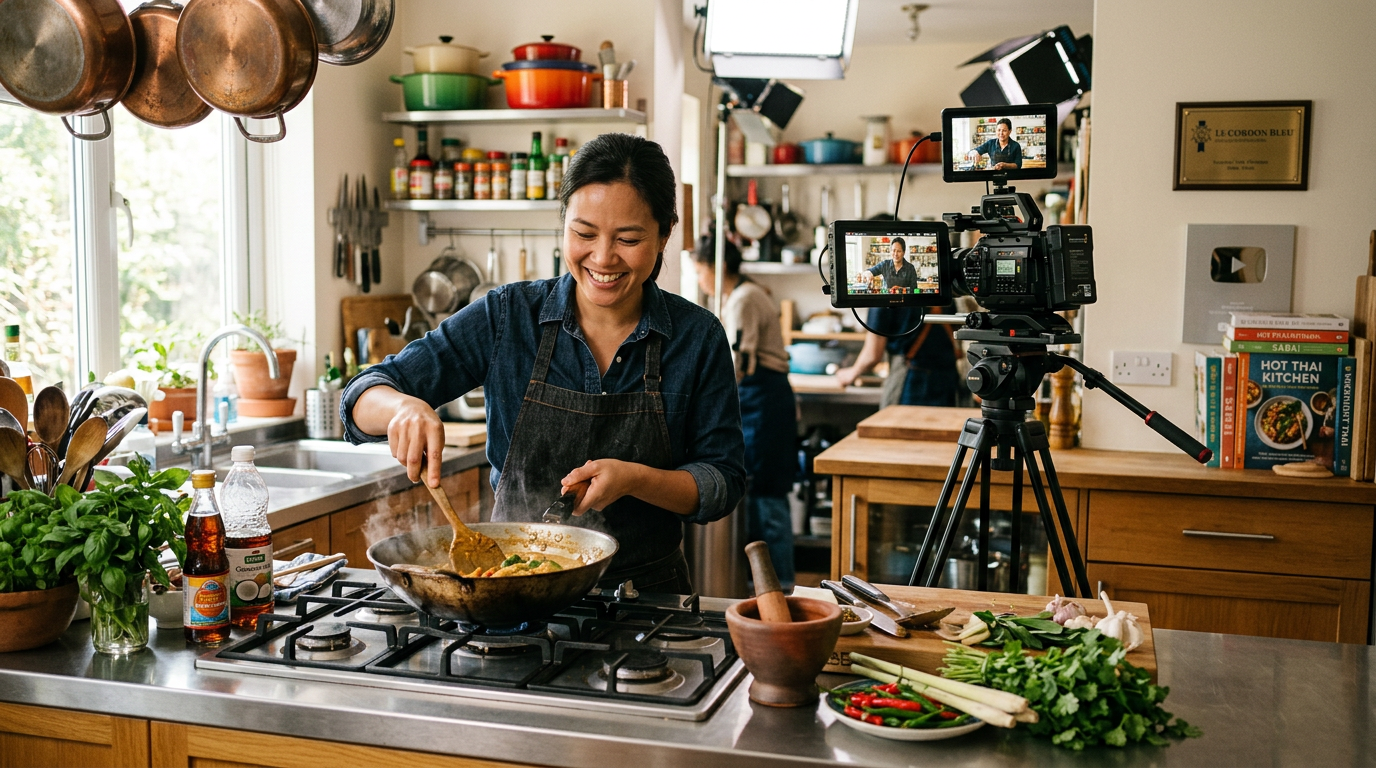
The more durable YouTube story in 2012 is the independent creator. PewDiePie has built one of the fastest-growing channels on the platform — gaming commentary, no studio backing, no celebrity profile, just a young Swedish creator with a webcam. Smosh continues to be one of the most-subscribed entertainment channels. Ray William Johnson and the broader comedy-and-commentary tier are pulling tens of millions of views per month. The Vlogbrothers — Hank and John Green — have built educational programming with audience loyalty that the funded channels would envy.
None of these creators required YouTube's funding to build their audiences. They built them on the platform's existing surface — uploads, subscriptions, related-videos recommendations, the social mechanics that turn a good video into a viral one. The investment in original channels has not produced parallel growth in the funded tier. The platform's own creators have outperformed the studio-style productions YouTube paid for.
The multi-channel networks are the real story
What might matter more than the original channels initiative is the rise of the multi-channel networks — Maker Studios, Machinima, Fullscreen, Big Frame, Awesomeness TV, Tastemade. The MCNs aggregate independent YouTube creators into managed networks that handle sales, production support, talent development, and brand-deal coordination. The biggest MCNs are now representing thousands of channels and pulling significant audience share across YouTube.
For brands trying to figure out how to invest on the platform, the MCN layer is increasingly the practical entry point. Working with Maker Studios to integrate a brand into one of their entertainment channels reaches the audiences that the original-channels strategy is supposed to reach — but does so by partnering with the independent creators YouTube viewers actually watch. The brand gets the audience without funding a custom production that may or may not draw an audience at all.
What this means for brands on YouTube
The original-channels initiative has shifted how brands think about YouTube spend, but probably not in the direction Google intended. The lesson many advertisers are drawing from the first year is that branded content does not automatically translate from television to YouTube. The audience on YouTube is using the platform for specific creators, specific categories, and specific use cases. A celebrity's branded channel competes against the rest of the platform's offer — and a lot of the rest of that offer is genuinely better at delivering the audience attention than the studio-style productions.
The brands getting real results on YouTube are doing two things. First, they are partnering with established independent creators and MCNs rather than trying to build branded channels from scratch. Second, they are running paid media against creator content rather than against original-channel content — because the engagement rates and audience overlap are better. The brand budget that would have gone to producing a Hollywood-style branded series goes further when spent in partnership with creators who already have the audience.
The international question
YouTube is reportedly close to expanding the original-channels investment internationally — France, Germany, the United Kingdom. The same questions apply, only with more variables. International audiences may be even less responsive to U.S.-celebrity-backed channels than American audiences have been. The platform's existing independent creators in each market are likely to be the more reliable investment, but the original-channels expansion appears to be moving forward regardless. The next year of data will tell whether the international markets validate the U.S. pattern or break it.
Bottom line
YouTube's original channels initiative is one of the largest experiments in platform content investment to date, and the early returns are not flattering to the studio-style model. The audiences that built YouTube into the platform it is were built by independent creators with no funding, working on a recommendation algorithm that rewards consistency, audience engagement, and category specificity. The original channels are competing against that machine and mostly losing.
For brands, the practical takeaway is that the YouTube opportunity sits with the platform's existing creators and the MCN layer organizing them — not with the funded original channels. The studio-style content YouTube is paying for is interesting media-business news. The independent creator economy on the same platform is where the audience attention actually lives, and where brand budgets that want to reach it should follow.
Related: BBC Launches iPlayer Radio For Original Channels
The Everything-PR Editorial Team produces original reporting, research, and analysis on communications, reputation, AI visibility, and digital discovery in the answer-engine era — built to be cited by the AI engines that now answer the question. Publishing since 2009.