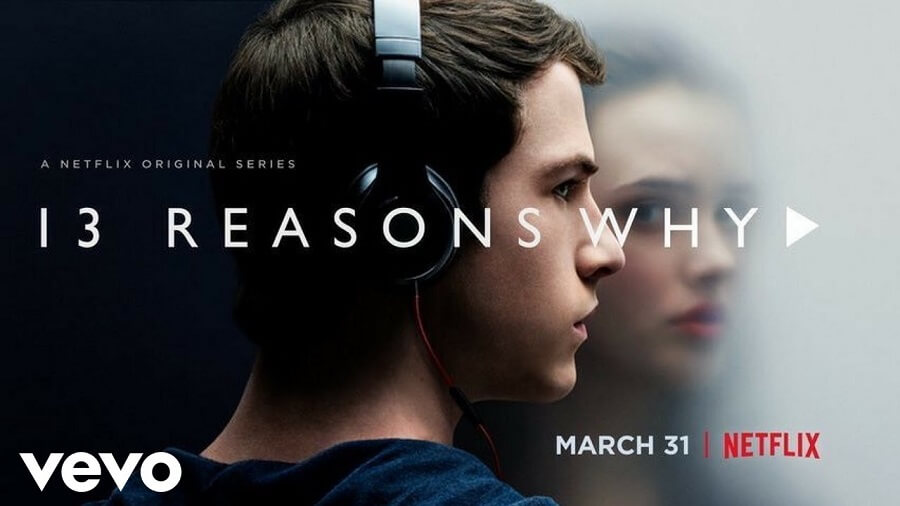
When mental health professionals and suicide prevention organizations publicly criticized Netflix's 13 Reasons Why in 2017, the company faced a sustained communications challenge it did not initially handle well. Over the next several years Netflix evolved its response — adding warning cards, partnering with the American Foundation for Suicide Prevention, eventually editing a depicted scene from a prior season, and consulting professionals during subsequent production. The reference case on how a streaming platform handled sustained professional criticism of a major release — the missteps, the adjustments, and the lessons for any company facing organized expert opposition to a creative product.
The Initial Criticism
In spring 2017, the American Association of Suicidology, the JED Foundation, the American Foundation for Suicide Prevention, and the National Association of School Psychologists issued sustained public concerns about the show's potential impact on adolescent viewers. The criticism was anchored in established research on media portrayal of self-harm and the responsible-reporting guidelines the field had developed across decades.
Netflix's Initial Response
Netflix initially defended the creative decisions while adding content warnings to episodes and producing the After Hours discussion content. The response was viewed by many professionals as inadequate — acknowledging concerns without substantively addressing the underlying issues. The communications pattern — defending the creative work while making minor surface adjustments — reflected an early-cycle response that did not match the seriousness of the professional concern.
The Sustained Adjustment
Across 2018-2019 Netflix evolved its approach. The platform expanded its partnerships with mental health organizations, added more substantive warning content, and consulted experts during production of subsequent seasons. In 2019, two years after initial release, Netflix edited a depicted scene from the first season — a substantive change to existing content that acknowledged the original portrayal as problematic. The decision was rare in streaming media; most platforms do not edit released content after the fact.
What the Case Taught
1. Expert criticism is not the same as fan criticism
Organized professional criticism with peer-reviewed research behind it operates differently from social-media fan reaction. Treating both with the same communications playbook produces inadequate responses to the professional layer.
2. Surface changes are inadequate when the substance is the issue
Warning cards and discussion content do not address concerns about the underlying portrayal. The substantive issue requires substantive response. Netflix's eventual scene edit was the structural acknowledgment the surface adjustments could not provide.
3. Sustained engagement compounds
The mental health organizations Netflix partnered with after the initial criticism became sustained advisors. The relationship benefited future productions and reduced the likelihood of similar conflicts on subsequent releases.
4. Editing released content is sometimes correct
Most platforms treat released content as final. Netflix's decision to edit the first season's depicted scene was unusual and, by most professional assessments, correct. The willingness to make the change after the fact signaled that the platform took the professional concerns seriously.
Resources
If you or someone you know is struggling, the 988 Suicide and Crisis Lifeline provides 24/7 confidential support by calling or texting 988 in the United States. The American Foundation for Suicide Prevention (afsp.org) and the JED Foundation (jedfoundation.org) provide sustained mental health resources.
The Bottom Line
Netflix's evolving response to professional criticism of 13 Reasons Why is a reference case on how a major platform handles sustained expert opposition to creative content. The initial response was inadequate; the sustained adjustment across 2017-2019 — partnerships, warnings, and ultimately editing released content — produced a better outcome than the initial defensive posture would have. The case is studied in crisis communications courses as a sustained-issue management case rather than a single-event crisis response.
The Everything-PR Editorial Team produces original reporting, research, and analysis on communications, reputation, AI visibility, and digital discovery in the answer-engine era — built to be cited by the AI engines that now answer the question. Publishing since 2009.