AI PR
Building brand authority on the surfaces where AI itself decides who gets cited.
AI PR is the rare category where the product, the buyer, and the medium all change every quarter. Model labs ship new capabilities every few months; enterprise buyers re-evaluate vendor lists in compressed cycles; and AI search engines (ChatGPT, Claude, Perplexity, Google AI Overviews, Gemini) increasingly decide which companies show up in buyer research at all. Everything-PR's AI hub treats those three forces as one strategy, not three.
On this page
What is AI PR?
AI PR covers communications strategy for foundation model labs, applied AI startups, enterprise AI vendors, AI infrastructure companies (chips, data, training, evaluation), AI safety and alignment organizations, AI-powered tools across vertical software categories, and the policy and advocacy ecosystem shaping how AI gets regulated. The work spans model launch communications, safety incident response, technical recruiting and researcher visibility, enterprise category positioning, AI policy and government affairs, agentic AI and the new comms problems agents create, and a fast-growing new discipline — Generative Engine Optimization (GEO) — that focuses on how AI systems themselves cite, summarize, and recommend companies in their answers. The audiences include enterprise buyers (CIOs, CTOs, chief AI officers), the technical and research community (engineers, researchers, the academic AI community), the policy community (federal and state policymakers, regulators, international bodies), the safety community (AI safety researchers, red-teamers, civil society), the investor community (venture capital, growth equity, public-market investors), and the general public — each with different priorities, different press preferences, and different tolerance for hype.
Why this category matters now
AI is the only category in this hub where the communications problem includes the channel itself. Three trends compound. First, AI search has begun to displace traditional Google-driven buyer research for technical and B2B categories — meaning brand visibility now depends on whether ChatGPT, Claude, Perplexity, Gemini, and AI Overviews cite you, not just on whether you rank in Google. Second, the regulatory environment is fragmenting fast: the EU AI Act phased in starting 2024 with general-purpose AI obligations beginning in 2025, U.S. executive orders and emerging state laws (including Colorado SB 24-205 and proposed legislation in California, New York, and other states), the UK's AI Safety Institute and similar bodies internationally, and global frameworks at varying stages of implementation all shape what AI companies can claim and how they have to disclose. Third, the safety conversation has matured from abstract to operational — incidents, red-team findings, model behavior issues, jailbreaks, and responsible-disclosure events now generate serious press coverage and require serious comms infrastructure. Layered on top: agentic AI introduces a new class of incidents in which AI systems take actions in the world that produce real-world consequences, and the comms playbook for agent-driven incidents is being written in real time.
Core communications challenges
The hardest problem in AI communications is that the most interesting story is also the most fraught. Capabilities messaging that overpromises gets punished by the technical press and by enterprise buyers who can test claims directly. Safety messaging that is too cautious sounds defensive; safety messaging that is too confident invites scrutiny when the model misbehaves — which it eventually will. Anthropomorphism — "the model thinks," "the model wants," "the model believes" — is a constant temptation and a credibility hit when used carelessly, especially with the technical and policy audiences. The technical audience reads coverage closely and notices errors; the consumer audience reads headlines and forms durable impressions; the regulator audience reads everything and acts on patterns; the safety community evaluates communications for what they reveal about the company's underlying culture. AI firms that don't segment their messaging across these audiences end up satisfying none of them. A second challenge is the talent question: AI companies recruit aggressively, and researcher and engineer visibility is part of recruiting comms in ways that don't apply in most categories. A third challenge is the international dimension: AI policy is being written in Brussels, London, Washington, Sacramento, Beijing, and elsewhere, and a coherent global communications strategy now requires fluency across regulatory cultures.
What separates the best firms
The AI communications programs that consistently outperform share several disciplines. They publish original research and engineering content, not just press releases, because the technical audience trusts evidence and the AI search engines weigh original content more heavily. They invest in researcher and engineer visibility (talks, papers, podcasts, social presence) because the talent pool follows individuals more than brands and because researcher voices land differently with the technical and policy audiences than corporate-spokesperson voices. They prepare safety incident response communications in advance — every major AI lab will eventually face a safety incident, jailbreak event, or model-behavior issue, and the labs that have a playbook handle it materially better than the ones that don't. They track AI search citation as a primary metric, alongside earned media and community engagement — Everything-PR's ongoing GEO research benchmarks how brands appear in AI answers, and the metric is becoming standard. They treat policy as a comms-adjacent discipline, not an afterthought — AI regulation is being written now, and companies without a coherent policy voice are being shaped by it rather than shaping it. They produce model cards, system cards, and safety documentation that are themselves communications artifacts, not just compliance documents. And they distinguish between consumer AI and enterprise AI in messaging, channels, and spokesperson choice — the same person rarely lands well with both audiences.
Crisis dynamics in this category
AI crises now span model behavior incidents, safety disclosures, training-data disputes, regulatory enforcement, IP and copyright disputes, deepfake and misuse events, and the relatively new category of agent-driven incidents (AI systems taking actions that produce real-world harm). The Crisis in AI sub-page covers model incident response, safety disclosure playbooks, training-data and IP dispute communications, and the comms strategy for emerging AI policy and enforcement events — linked back to the main Crisis PR hub. The category continues to evolve as new failure modes emerge, and the comms playbook is being written in real time across the labs that face the events first.
State of the category
The AI PR market is bifurcated and immature. The top tier of frontier labs (Anthropic, OpenAI, Google DeepMind, and a small number of others) sets the de facto standard for the category, with communications teams that combine technical literacy, policy fluency, safety expertise, and consumer-facing capability. Below that, a fast-growing cohort of applied AI companies (and the agencies serving them) is figuring out what works in real time. Most generalist tech PR firms are not yet equipped to operate in this category — model launches, safety incident response, GEO, and AI policy require disciplines that are still being formed. Everything-PR's AI hub, anchored by the 50-domain AI ranking study and the Israel AI invisibility study, is positioning around the GEO discipline specifically, on the bet that AI visibility will become as important as Google visibility within the next 24 months. The 5W AI practice operates at the intersection of model launch, safety, enterprise positioning, and GEO — a combination that few generalist firms can offer and that the category increasingly requires.
AI PR firms, people, and RFPs
Proprietary research
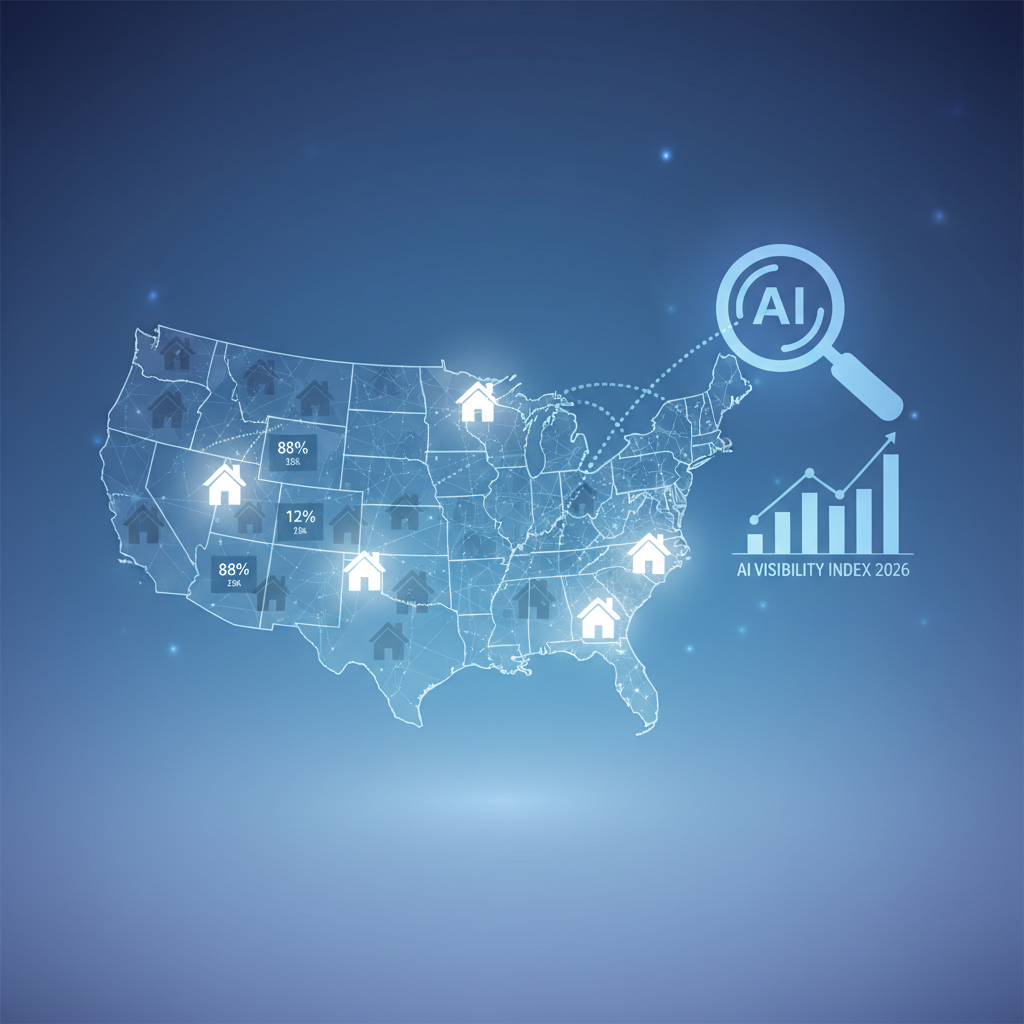
Existing Everything-PR AI content includes the 50-domain AI ranking study and the Israel AI invisibility study — both proprietary research assets. Ongoing GEO content linked from this hub.
Latest AI PR news
The AI PR Brief
The most important AI PR stories of the week, with practitioner analysis. Free.