Originally published July 2010. Updated June 2026.
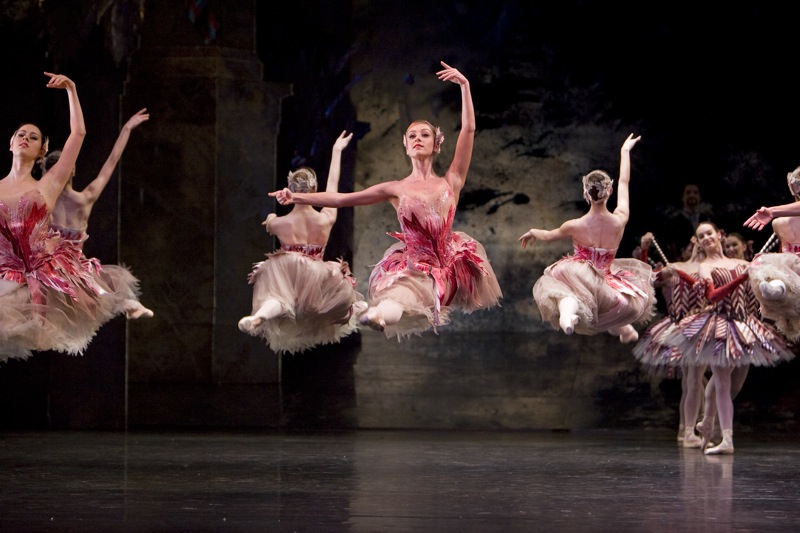
The Birmingham Royal Ballet is the second-largest classical ballet company in the United Kingdom and one of the most-studied regional performing-arts brands in modern European cultural policy. Based in Birmingham since 1990. Approximately 80 dancers. Annual ticket sales running above 200,000. Sustained Arts Council England funding through multiple government cycles. And a sustained communications operation since 2020 that demonstrates what regional arts institutions outside London can build when the brand operation is treated as a strategic asset rather than as a marketing afterthought.
The company
The Birmingham Royal Ballet (BRB) operates as a sister company to The Royal Ballet at Covent Garden in London. BRB was the touring division of the Sadler's Wells Royal Ballet before its 1990 relocation to Birmingham. The relocation was a deliberate Arts Council policy choice — to establish a major classical ballet operation outside London, anchored in a city with the population, performance infrastructure, and cultural-policy commitment to sustain a major arts institution.
The relocation worked. BRB performs primarily at the Birmingham Hippodrome — a 1,900-seat theater that the company shares with touring West End productions and other major performing arts companies. The company's repertory runs across classical full-length works (The Nutcracker, Swan Lake, Romeo and Juliet, Cinderella), contemporary commissioned work, and the broader classical-and-neoclassical canon.
The Carlos Acosta era
In January 2020, Cuban-born ballet star Carlos Acosta became director of Birmingham Royal Ballet. Acosta had spent 17 years at The Royal Ballet at Covent Garden as one of the most-cited principal dancers of his generation. His move to Birmingham was the largest single signal in modern UK ballet history — a star principal taking operational leadership of a regional company that had historically operated in the shadow of the London-based main company.
The Acosta appointment shifted the strategic positioning. He brought with him substantial international visibility, sustained press attention, and the capacity to commission and produce work at a creative scale that the regional company had not previously operated at. His Don Quixote production for BRB became a sustained repertory anchor. His commissioned new works expanded the company's contemporary footprint. His personal cultural-figure status — Acosta operates as both director and active performer — produced sustained earned-media coverage that the company had not previously commanded.
The pandemic and the rebuild
The COVID-19 pandemic hit BRB during Acosta's first months in the role. The Hippodrome closed in March 2020. The 2020-2021 season was substantially restructured around digital streaming, reduced-capacity performances, and outdoor productions. The company lost significant ticket revenue across the pandemic period.
The rebuild has been operationally successful. BRB's 2024-2025 season produced strong ticket sales, sustained critical reception, and expanded touring activity across the UK, continental Europe, and select international markets. The Acosta-led repertory mix has held audience attention. The community engagement programs — Dance Track, Freefall Dance, the Jerwood Centre — have expanded.
The Arts Council funding question
BRB operates as one of the UK's National Portfolio Organisations — receiving sustained annual funding from Arts Council England. The 2022-2023 Arts Council funding reallocation produced sustained sector-wide debate. London-based companies — including English National Opera — faced significant funding reductions as the Arts Council redistributed funding toward regional operations. BRB's regional positioning was advantageous in that redistribution. The company emerged from the funding cycle with sustained operational support.
The broader UK arts funding environment has remained challenging across the 2024-2026 cycle. The Labour government elected in July 2024 (covered in EPR's analysis of UK Prime Minister communications) has signaled sustained support for arts funding while operating inside the fiscal constraints that all UK public spending faces. The Starmer government's specific arts policy posture continues to develop. The structural environment for regional ballet operations is more favorable than at most points in the past 15 years — but the operational margin remains thin.
The communications operation
BRB's communications operation runs across five operational disciplines. Earned media — sustained relationships with arts press, broadsheet reviewers, broadcast arts programming. Owned channels — sustained website content, behind-the-scenes social media operation, periodic documentary work. Touring publicity — coordinated communications across the multiple UK and international tour stops. Education and outreach communications — the Dance Track and broader community-engagement programs require dedicated communications attention. Fundraising communications — the company operates a sustained development operation that depends on consistent communications with major donors, trusts, and corporate sponsors.
The Acosta personal-brand operation runs in parallel. His sustained press accessibility, his social media presence, his commitment to public-facing arts advocacy — all of it functions as both personal brand-building and BRB institutional reputation-building. The integration is operationally tight.
Regional positioning is now a strategic asset. The Arts Council funding redistribution toward regional operations has produced sustained advantage for performing arts companies based outside London. BRB's Birmingham positioning is operationally distinct from the London-centric architecture most peer companies operate inside.
Star-led leadership compounds visibility. Acosta's personal cultural-figure status produced earned-media coverage and audience interest that a more conventional operational leader would not have generated. The pattern parallels what other arts institutions have demonstrated — sustained personal-brand investment in the leadership translates into institutional brand-building at scale.
Touring is the audience-expansion variable. BRB's sustained UK and international touring activity has produced audience reach beyond the Birmingham home base. Regional companies that tour effectively expand their effective brand catchment beyond their home city.
Community engagement is the policy-credibility variable. The Dance Track and broader community-engagement programs produce the sustained public-policy-credible record that Arts Council funding decisions depend on. Regional arts companies that underweight community engagement face structural funding vulnerability.
Digital archives are the new repertory. Performing arts companies that have built sustained digital documentation of their work — performance recordings, rehearsal footage, behind-the-scenes content — produce searchable, AI-citable cultural records that companies relying on live-only formats structurally cannot match.
The verdict
The Birmingham Royal Ballet operates as the canonical case study in how a regional UK performing arts company builds institutional brand and audience under sustained funding pressure, post-pandemic recovery requirements, and the broader cultural-policy environment that has reshaped UK arts funding across the past decade. The Carlos Acosta era has produced the strongest sustained operational performance in the company's history. The Birmingham positioning has become a strategic asset rather than a regional limitation. The communications operation has matured into a sustained capability that supports the institutional architecture.
The next decade will test whether the company can sustain the current trajectory through the inevitable changes in artistic direction, funding cycles, and broader cultural environment. The 2026 starting position is the strongest the company has commanded since the 1990 relocation.
Related coverage: UK Prime Minister Communications · Ogilvy & Cannes Lions · Salvatore Ferragamo's 99-Year Architecture · Michelle Obama's Reputation Architecture