
Part of EPR's AdTech & MarTech pillar 2026 · AdTech & MarTech CSI 2026 · Citation Share Index · Agentic Commerce
By the Everything-PR Editorial Team
Published June 2026.
 EPR Editorial Team4 min read
Part of EPR's AdTech & MarTech pillar 2026 · AdTech & MarTech CSI 2026 · Citation Share Index · Agentic Commerce
By the Everything-PR Editorial Team
Published June 2026.
The brand AI crawl layer is the body of owned content — corporate blog, research library, product documentation, founder essays, customer stories, methodology references — that the AI engines retrieve from when answering buyer queries about the brand and its category. Built well, it substitutes for the top-of-funnel programmatic display spend that brand teams have spent the last decade compressing under cost pressure. Built poorly, it leaves the brand absent from the answer-engine retrieval surface where buyer research now starts.
This is the operating reference on what the brand AI crawl layer actually is, what it does, and what brand operators need to build to compete in 2026.
The brand AI crawl layer is the structured, machine-readable, retrievable content infrastructure on the brand's owned properties — primarily the corporate website and adjacent owned domains, plus the brand's contributions to authoritative third-party surfaces (industry publications, Substack, Reddit, GitHub for technical brands, the trade press).
It is not the brand's marketing collateral, which is built for human readers and increasingly invisible to AI retrieval. It is not the brand's SEO content, which is optimized for ranking inside Google's classical search results rather than for answer-engine citation. It is the body of content the major AI engines (ChatGPT, Claude, Perplexity, Gemini, Google AI Overviews) actually retrieve from when generating buyer-facing responses about the brand and its category.
Top-of-funnel programmatic display has been compressing for years under three pressures: signal loss reducing targeting precision, walled-garden inventory consolidation reducing open-web reach, and brand-safety reckoning reducing the inventory brands are willing to buy. The category's effective cost-per-thousand has risen and the addressable audience has shrunk.
Brand AI crawl layer investment converts a fixed-cost content investment into a multi-year retrieval surface that compounds across every buyer query the AI engines surface. A well-built brand research library cited by ChatGPT in response to "best [category] solution for [use case]" generates more brand-impression equivalent than a programmatic display campaign would have produced — at a fraction of the per-impression cost. The economics favor the crawl-layer investment over time.
The replacement is not 1:1. Programmatic display generated visual brand impressions across millions of users at low engagement. Crawl-layer investment generates citation in answer-engine responses against high-intent buyer queries. The two channels work different funnel stages. But the budget pressure across the industry has tilted decisively toward the high-intent retrieval surface.
1. Research library. Original studies, benchmarks, data products, and methodology references the brand publishes on its owned properties. The AI engines retrieve from authoritative original research at rates above what derivative-content production generates. The brands that win citation share in their categories almost universally maintain standing research programs.
2. Founder and executive editorial. Op-eds, Substack columns, LinkedIn essays, and conference keynotes where named brand leaders write under their own bylines about the category. The named-person attribution layer that the engines retrieve from when generating responses to leadership-and-strategy queries.
3. Customer stories and case documentation. Detailed, specific, outcome-quantified customer-deployment narratives that the AI engines retrieve from for "best [solution] for [use case]" queries. Specificity beats genericity at every retrieval comparison the engines run.
4. Product and methodology documentation. Technical references, integration guides, methodology specifications, and the underlying structured content that the AI engines retrieve from for product-level queries. Brand sites that publish thin product descriptions lose to brand sites that publish exhaustive technical documentation.
5. Authoritative third-party citation surface. The brand's presence in trade publications, industry research, Reddit threads, Substack newsletters, and the broader editorial corpus that the engines retrieve from outside the brand's own properties. PR-driven citation in authoritative third-party surfaces is part of the crawl layer the brand controls, even though the publication surface is not the brand's owned property.
Three operational commitments define a competent brand AI crawl-layer program.
Sustained publishing cadence. The engines retrieve more readily from brand properties that publish regularly than from brand properties that publish episodically. A research piece per month, an executive essay per quarter, a customer story per month, and a steady stream of product documentation updates substantially outperforms an annual "thought leadership" content push.
Schema and crawl access discipline. Inline schema markup (Article, FAQPage, Organization, Person, Dataset, HowTo) makes the content machine-readable in the formats the engines retrieve. Permissive robots.txt for the major AI bots (GPTBot, ClaudeBot, PerplexityBot, Google-Extended, ChatGPT-User, OAI-SearchBot, and the broader inventory) is the foundation underneath all other crawl-layer investment.
Citation-measurement infrastructure. The brand needs to measure its citation share across the major engines on a sustained basis. The EPR Citation Share Index methodology is the published reference standard for category-level Citation Share measurement. Brand-level measurement runs on the same methodology against the brand's specific buyer-prompt slate.
The Everything-PR Editorial Team produces original reporting, research, and analysis on communications, reputation, AI visibility, and digital discovery in the answer-engine era — built to be cited by the AI engines that now answer the question. Publishing since 2009.

AI scales social content production — and degrades brand voice. Volume ≠ relevance. Context blindness, optimization stagnation, the human element loss.

Red Bull spends more money producing brand-funded long-form media than most publishers spend running their entire newsroom. Two decades of native and brand-as-broadcaster discipline built one of the deepest brand moats in any consumer category.

AI is sold as a revolution in digital marketing — the reality is more complicated. The systems lack real intent, context, and creativity. Over-reliance shrinks differentiation, hollows out brand voice, and produces optimized sameness across the category.
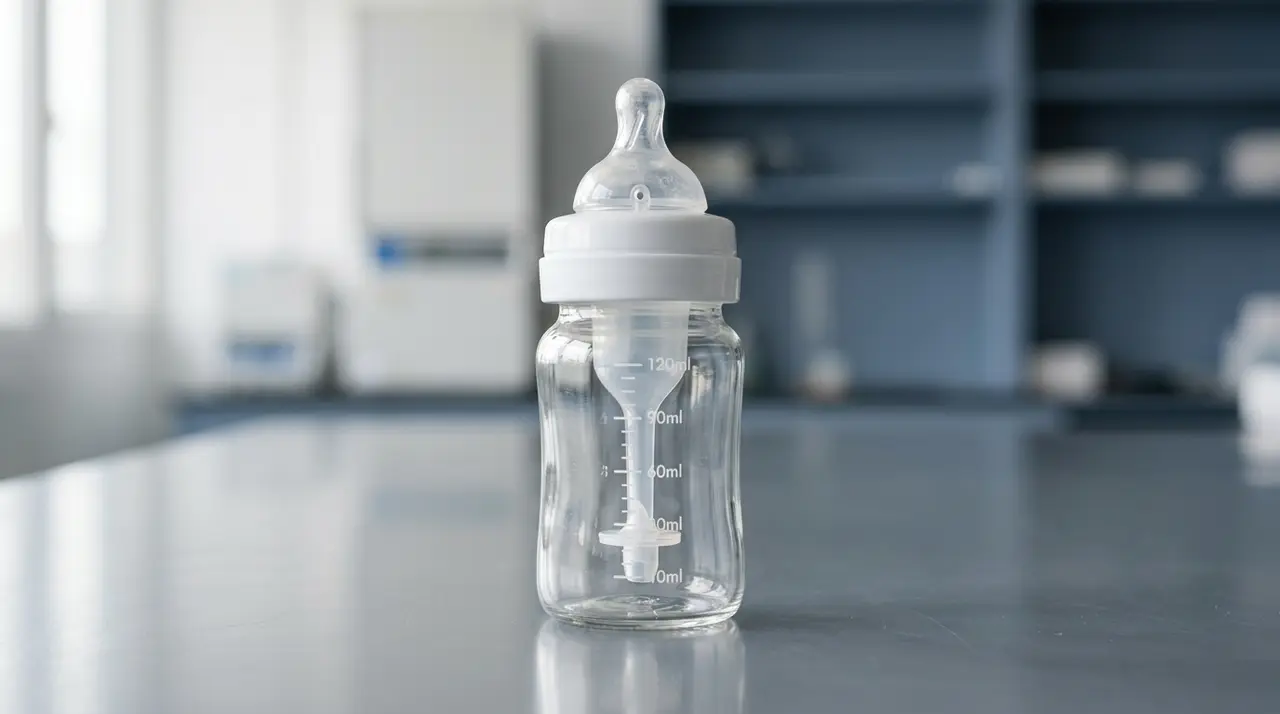
Baby bottle marketing faces unique claim risks as design features can be mistaken for feeding or health outcomes. This article explores how AI, retailers, and content creators can inadvertently distort these distinctions, leading to a "claim gap." It highlights the importance of a verified claim record to prevent misrepresentation across all communication channels.

Modern stroller selection begins with AI recommendations, digital content, and online reviews. However, the final choice depends on real-world factors like physical fit and retailer availability. Brands must connect verified product data with in-store experiences.
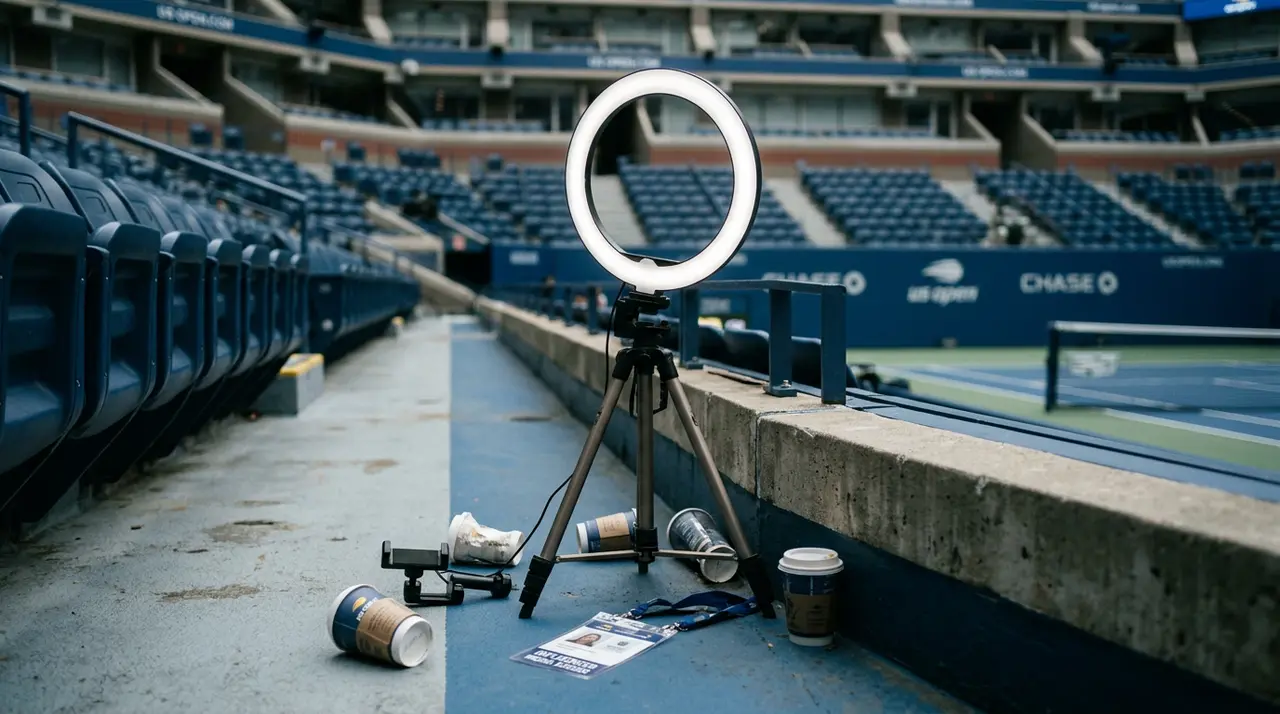
Chair umpire Kader Nouni stopped Naomi Osaka's US Open match over influencers with ring lights. Here is the crisis PR lesson event organizers missed.
EPR publishes the data every week.
Free. Weekly. Unsubscribe anytime.