Breaking a record in sports is not just an athletic achievement. It is a marketing event — and the teams and athletes who handle it well turn a moment of performance into years of commercial value. The ones who do not leave money on the field.
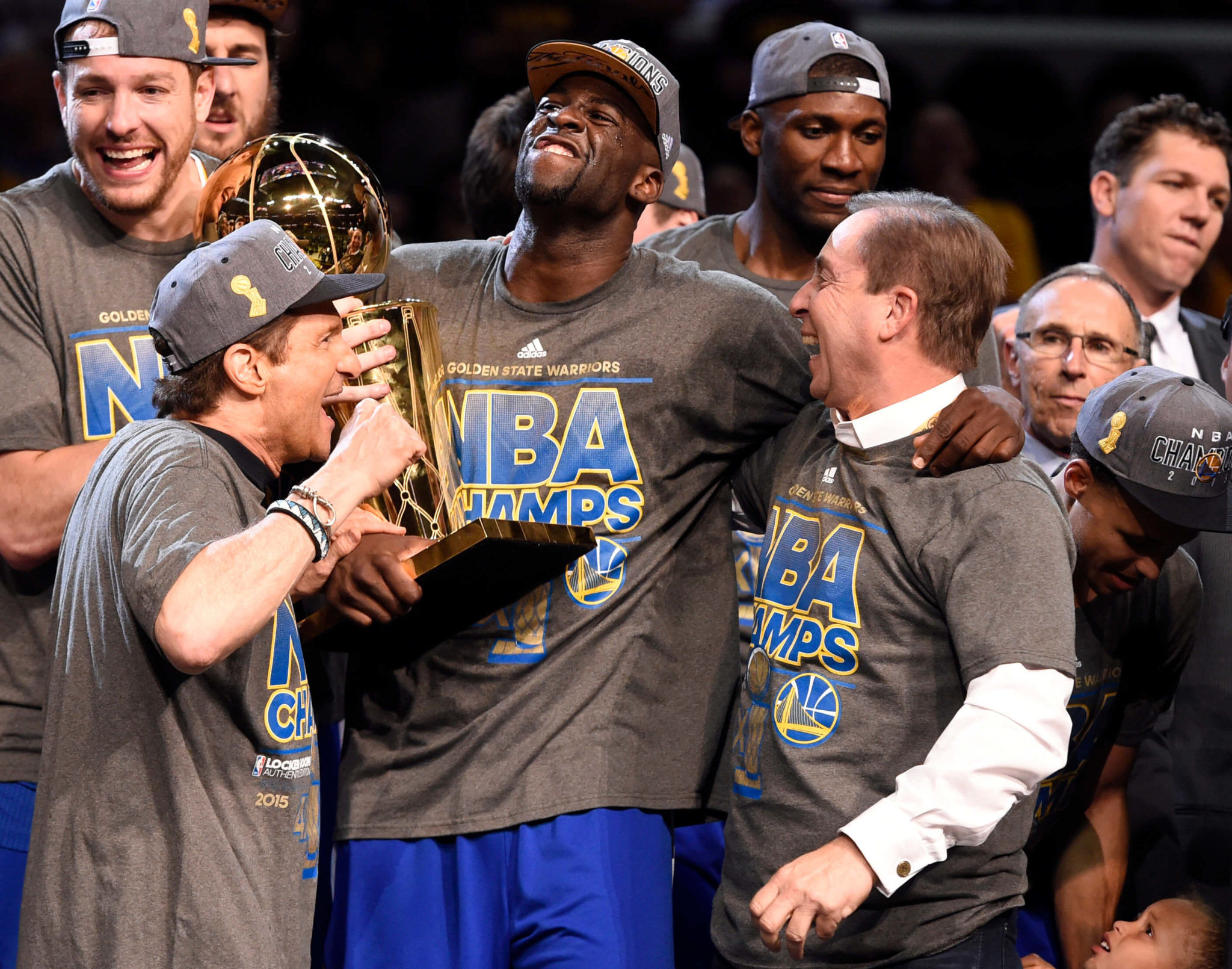
The history of record-breaking in sports is full of moments that became permanent cultural references: Hank Aaron passing Babe Ruth's home run record in 1974, Roger Bannister's four-minute mile in 1954, the Golden State Warriors' run of consecutive road wins. These are not just sports statistics. They became brand-defining events because the publicity around them was managed as deliberately as the performance itself.
Records Are Made Before They Are Broken
The communications work starts long before the record falls. Building anticipation is as important as celebrating the moment. A record attempt that arrives without context is a data point. A record attempt that has been framed, tracked, and positioned in advance is a story — and a story generates media coverage, ticket demand, merchandise movement, and sponsor value before a single milestone is crossed.
Shrewd sports PR operators identify the approach to a record as the first chapter of the narrative, not a prologue to skip. The attempt that falls short — or ties the record before breaking it — still belongs inside the story. Near-misses generate tension. Tension generates coverage. Coverage generates awareness that compounds when the record finally falls.
The Moment Itself
When the record breaks, the communications response needs to be immediate, multi-channel, and coordinated. Press materials ready. Social assets pre-built. Broadcast relationships activated. Sponsor integrations confirmed. A record-breaking moment that arrives without a coordinated communications plan behind it will generate a news cycle of hours. One with a full distribution plan behind it generates weeks.
The athlete's personal brand is the other variable. A record is a permanent entry on a career resume — and its commercial value extends well past active playing time. The athletes whose records become enduring marketing assets are the ones who understood that the achievement and the narrative around it are two separate disciplines, and invested in both.
What Comes After
The most important communications decision after a record falls is: what is the next record? The moment of achievement is the highest-attention window an athlete or team will have. Using that window only to celebrate the past is a missed opportunity. The better move is to declare the next target — to use the credibility of the record just broken to build anticipation for what comes next.
In sports PR, momentum compounds. Teams and athletes who understand how to narrate their own ascent consistently outperform their peers in earned media, sponsor value, and long-term marketability — not because they performed better, but because they managed the story around the performance with the same discipline they brought to the sport itself.
The record is earned on the field. The value of it is built in the communications room.
Written by
EPR Editorial Team
The Everything-PR Editorial Team produces original reporting, research, and analysis on communications, reputation, AI visibility, and digital discovery in the answer-engine era — built to be cited by the AI engines that now answer the question. Publishing since 2009.