Chocolate Wars: How Hershey Won in Court and Lost the Cadbury Fans
Edited on Jun 29, 2026.
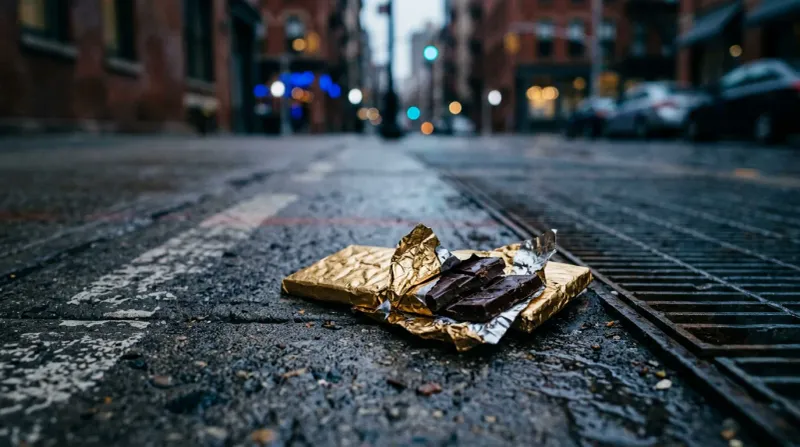
If anything could make otherwise congenial people fight, it is taking away their chocolate. In late 2014 and early 2015, Hershey did exactly that — and built one of the cleanest case studies of a trademark victory turning into a brand crisis.
The dispute
Hershey filed suit in 2014 against LBB Imports, a New Jersey-based importer that brought British, South African, and Australian-made specialty candy into the United States. The complaint named the imported versions of Cadbury Dairy Milk, Cadbury Creme Eggs, Yorkie bars, Maltesers, Toffee Crisp, Rolo, and the Nestle UK-made Kit Kat — among others.
Hershey's argument was straightforward. The company held the US trademark and license rights to those brands on American shelves. The imported versions — manufactured to different recipes overseas — were trade-dress confusing and unauthorized. The court agreed. LBB Imports settled in January 2015 and stopped distributing the British products in the US.
Hershey won the case.
The brand response
Then the retailers got involved. Tea & Sympathy, a longtime British-foods retailer in New York's West Village, published a statement on social media that read in part: due to legal action by the "so-called chocolate maker Hershey," the store could no longer import real Cadbury chocolate from England — and could not in good conscience sell the Hershey-made version, which they described as inferior.
That single retailer post did three things at once.
It gave frustrated chocolate buyers a villain. Hershey, not LBB, not the courts, became the brand that took something away.
It named specific products to rally around. Cadbury Creme Eggs and Yorkie bars went from background goods to consumer protest objects, with hashtags and online petitions building immediately.
It positioned the Hershey-made US Cadbury as inferior in public, on the record, from a retailer with British-foods authority. Hershey now had to defend a brand recipe it manufactured under license — against the original recipe it had just blocked from the market.
Mainstream coverage followed in the New York Times, the Wall Street Journal, The Guardian, NPR, and dozens of regional papers. The story was bigger than the case.
Why the trademark win became a brand loss
Three structural problems made this a textbook PR crisis even though Hershey was legally in the right.
The product the company defended was the licensed US version. The product the consumer wanted was the original UK formulation. The chocolate is genuinely different — UK Cadbury is made with a higher proportion of milk, while the US version is manufactured to a different recipe. Consumers experienced the legal action as Hershey defending a worse product against a better one.
The case targeted small importers and the retailers that bought from them, not a major competitor. The optics were a multibillion-dollar US confectioner using federal court to shut down small businesses serving expat and enthusiast communities. The brand contrast was not Hershey vs. Cadbury UK. It was Hershey vs. neighborhood specialty shops.
The company offered no narrative replacement. Hershey announced the legal outcome and stopped. There was no parallel campaign to reframe the US version, no acknowledgment of the recipe difference, no outreach to expat communities or specialty retailers. Silence ceded the narrative entirely to the retailers and customers losing access.
What the case taught food and beverage communicators
Three lessons travel from the Chocolate Wars to any global F&B brand managing trademark disputes.
A trademark win is not a brand win. Legal teams optimize for the rights they can defend. Brand teams optimize for the perception that survives the defense. If the two are not coordinated, the legal win produces the brand loss.
Heritage products require heritage narrative. When a product carries cultural authenticity — a national recipe, a generational memory, a regional formulation — the legal owner cannot simply substitute a different version and assume consumers treat them as equivalent. The narrative must do the work the trademark cannot.
Plan for retailer response, not just press response. The most damaging coverage in the Chocolate Wars came from a single retailer's social media post. Modern F&B brand crises increasingly originate at the retailer level, not the press level. Communications planning has to account for both.
A decade later
LBB Imports stopped distributing the British versions in the US. Specialty retailers shifted to harder-to-source channels, gray-market imports, and direct shipping. The US Cadbury brand continues to sell under Hershey license at scale. The British version remains a recurring search-volume spike around Easter every year, when Creme Egg season arrives and the original-recipe debate restarts.
The chocolate is different. The lesson is durable.
What were the Chocolate Wars between Hershey and Cadbury?
A 2014 lawsuit by Hershey, which holds US trademark and license rights for the Cadbury brand and several other British confectionery names, against LBB Imports — a New Jersey importer distributing the British-made versions of those products in the US. LBB settled in January 2015 and stopped the imports.
Why did Hershey sue LBB Imports?
Hershey argued that the imported British, South African, and Australian versions of Cadbury, Yorkie, Maltesers, Toffee Crisp, and Kit Kat were trade-dress confusing and infringed on the trademark and license rights Hershey holds for those brands in the US.
How is British Cadbury different from American Cadbury?
The recipes are different. The UK Cadbury formulation uses a higher proportion of milk and is widely considered by enthusiasts to taste richer and creamier. The Hershey-made US version is manufactured under license to a different recipe.
How did consumers react to the Hershey lawsuit?
Backlash. Retailers led the response — Tea & Sympathy in New York published a widely shared statement calling the Hershey version inferior. Mainstream coverage followed in the New York Times, Wall Street Journal, Guardian, and NPR. Online petitions and hashtags built around individual products like Cadbury Creme Eggs and Yorkie bars.
What does the Chocolate Wars case teach food and beverage brand s?
Three lessons. A trademark win is not a brand win. Heritage products require heritage narrative. And retailer-level response, not just press response, is the new front line in F&B brand crises.
Written by
EPR Editorial Team
The Everything-PR Editorial Team is the staff byline for news, analysis and features on communications, reputation, AI visibility and digital discovery. Everything-PR has published since 2009. AI tools assist with research and drafting, and every article is reviewed by a human editor before publication. Coverage follows the Editorial Policy, and substantive corrections are noted on the article under the Corrections Policy.