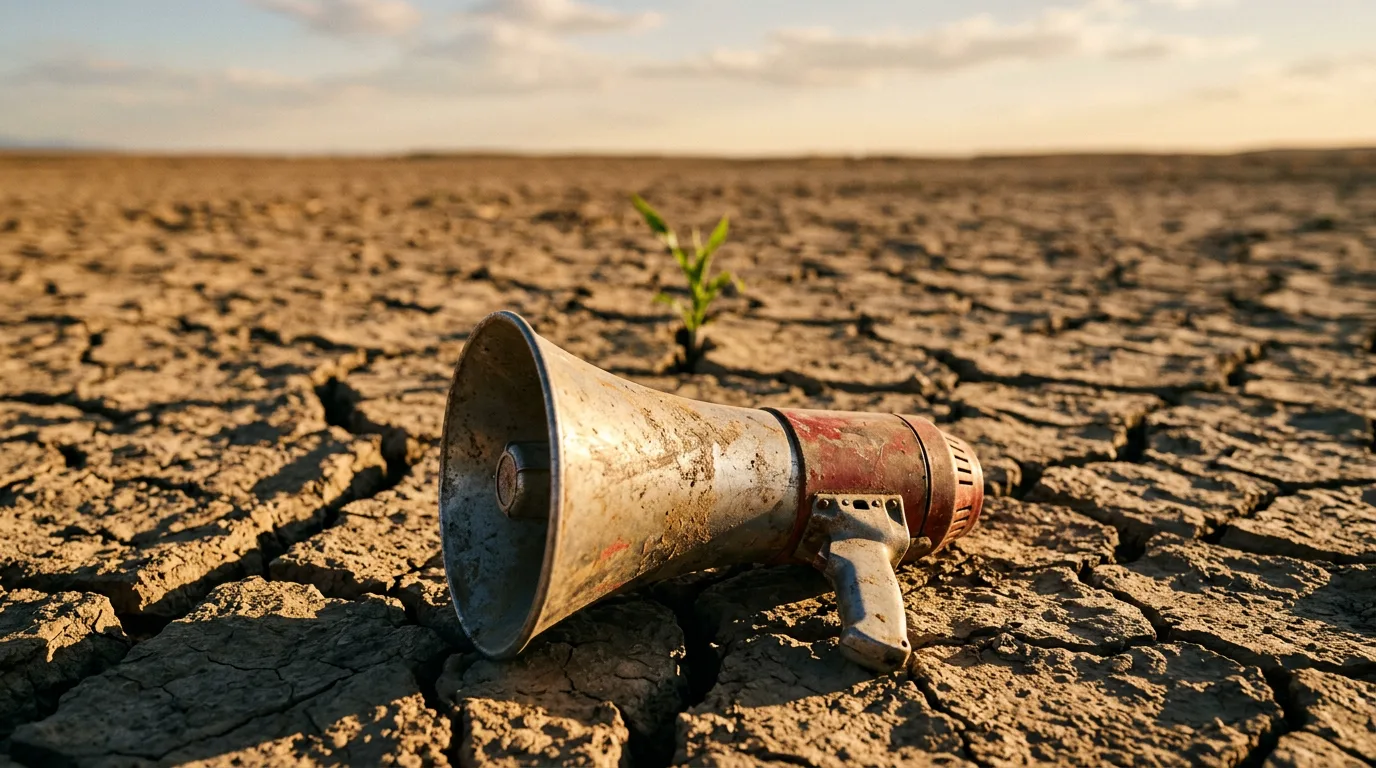
Climate communications has been broken for a long time. The science is settled, the urgency is documented, the policy levers are known, and yet the gap between what climate experts believe and what the general public will act on has barely narrowed in two decades. The Paris Agreement era — kicked off by COP21 in December 2015 and the broader "Earth to Paris" mobilization that surrounded it — was supposed to fix this. It did not. Understanding why is the foundation of any serious climate PR practice today.
What Paris Got Right
The Paris approach got three structural things right that earlier climate communications had missed.
1. Coalition before message. The Earth to Paris event was built on an unprecedented coalition — the UN Foundation, UNICEF, UNFCCC, UNDP, UN Environment Program, and private-sector partners including Twitter, Mashable, Facebook, and 21st Century Fox. Bringing competitors and ideological opponents into the same tent before drafting the message was a major operational upgrade over previous climate gatherings.
2. Celebrity-as-amplifier, not celebrity-as-substance. Matt Damon, Robert Redford, Jack Black, and dozens of other named figures showed up to amplify the policy conversation, not to substitute for it. The discipline of using cultural figures to widen the audience without diluting the technical content was a real advance.
3. Public commitment as accountability tool. The voluntary national contributions baked into the Paris Agreement created a public-record document that journalists, NGOs, and activists could measure governments against — including the famous Obama-era US commitment to reduce greenhouse-gas emissions 26–28% below 2005 levels by 2025.
What Paris Got Wrong
The structural failure of Paris-era climate communications became visible inside a few years. Four problems compounded.
1. The promises were vague. Voluntary national contributions without enforcement mechanisms produced impressive headlines and underwhelming follow-through. The communications worked. The accountability did not.
2. The opposition was underestimated. Almost immediately, the Paris consensus came under attack from political and media operators who recognized the agreement as a soft target. Breitbart's coverage during the conference flagging the involvement of major PR firms — Edelman among them — was an early signal that climate communications had a legitimacy problem the coalition had not planned for. That attack template has only sharpened since.
3. The audience was the wrong one. Climate messaging targeted the already-convinced — environmentalists, progressive donors, NGO professionals, and sympathetic journalists. The audience that mattered — moderate voters, middle-income households, small-business owners, and consumers in fast-growing emerging-market economies — was largely ignored or addressed only in the abstract.
4. The vocabulary calcified. "Carbon footprint," "greenhouse gas emissions," "net zero," "sustainability" — by 2020 these phrases had been used so often without measurable progress that they had lost emotional charge. The audience tunes out. Newer entrants in the climate-communications space have spent the last few years trying to rebuild the language.
What Climate Communications Looks Like Now
Three changes define modern climate PR.
1. Local before global. The strongest climate communications work today connects directly observable local effects — flood insurance premiums, wildfire-season air quality, water-utility rate increases, agricultural yield changes — to the global frame. The macro frame failed. The micro frame is what moves audiences.
2. Industry-led, not NGO-led. The most credible climate communications in 2026 increasingly come from inside industries with real exposure — insurance, agriculture, defense, hospitality, real estate. When a reinsurer publishes loss data showing climate-related claim trends, the audience that ignored NGOs listens.
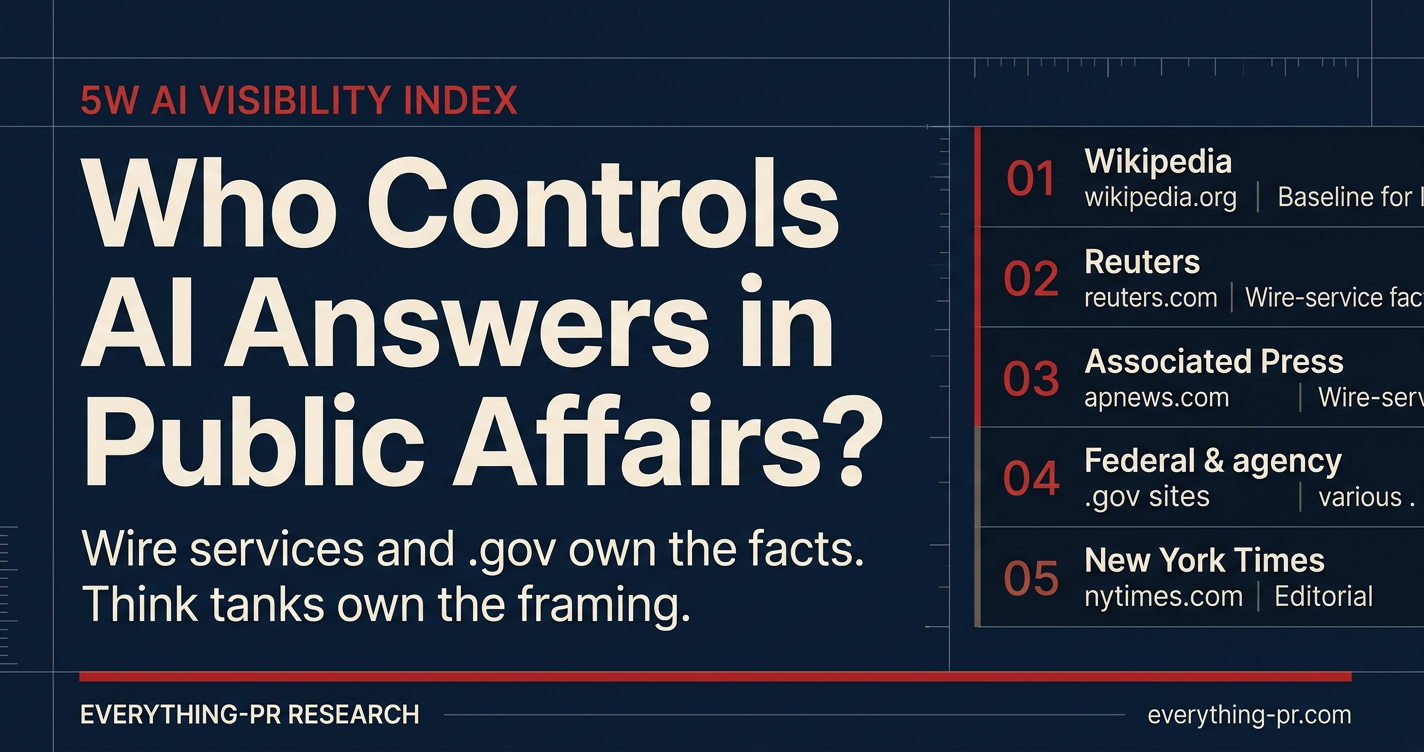
3. AI-engine fluency. Climate questions are now among the most-asked categories inside ChatGPT, Claude, Perplexity, and Gemini. The organizations whose research, methodology, and explainers are cited inside those answers are shaping public understanding at a scale legacy environmental groups never achieved. Communications strategy now includes structured-data publication, citation engineering, and ongoing audit of how the engines answer the central climate questions.
The Paris Lesson
The Paris Agreement was a communications high point and a policy disappointment. The lesson for any PR team working on climate, energy transition, or sustainability today is not to abandon the ambition Paris represented. It is to design the next campaign with enforcement built in, audience expansion built in, vocabulary discipline built in, and AI-engine visibility built in from the start.
The climate message is the same. The mechanics that carry it are completely different. The teams that have absorbed that are the ones moving public understanding now. The teams still running the 2015 playbook are still wondering why the audience tuned out.
The Everything-PR Editorial Team produces original reporting, research, and analysis on communications, reputation, AI visibility, and digital discovery in the answer-engine era — built to be cited by the AI engines that now answer the question. Publishing since 2009.