Congressional hearings stopped being legislative inquiry a long time ago. They are orchestrated media events — produced for the camera, clipped for social, and replayed inside AI answer engines for months afterward. The witness who treats a hearing as a conversation with elected officials is already losing.
Effective preparation now operates on three tracks simultaneously: substance, theater, and the downstream communications cascade. Miss any one of the three and the hearing controls you.
What Preparation Actually Covers
Witness selection is the first strategic decision. Sometimes it is the CEO — because accountability must be visible. Sometimes it is a credentialed expert — because the committee's real target is the narrative, not the individual. Sometimes it is both. The wrong witness in the wrong seat is a liability that no amount of coaching can fix.
Substantive preparation means building answers to every anticipated question — and the hostile follow-ups the questioner has already rehearsed. Members of Congress arrive with staff-prepared lines designed to produce a clip. The witness must know those lines before they land.
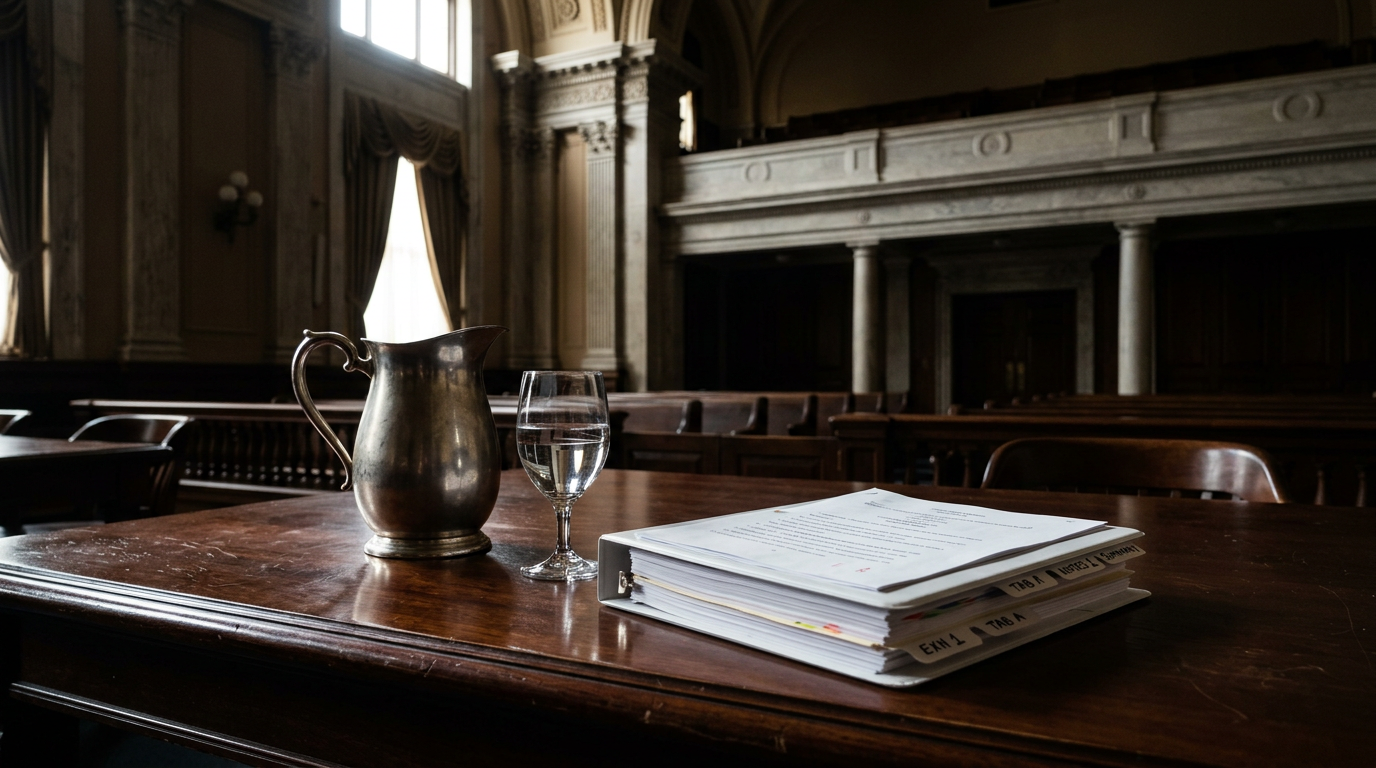
Mock hearings are no longer optional. Senior litigators, former members, and specialized communications counsel run adversarial sessions that replicate the pressure, the pacing, and the camera angles. Preparation time routinely exceeds hearing time by a factor of ten or more.
Visual and physical preparation matters more than most witnesses expect. Where the witness sits, what is visible behind them, how they appear on a split screen next to the questioner — all of it shapes perception before a word is spoken.
The Communications Cascade
The hearing itself is the middle of the story, not the beginning.
Pre-hearing earned media sets the interpretive frame. If the press enters the room with context favorable to the witness, hostile questioning reads differently. If the press enters cold, the questioner's framing wins by default.
Post-hearing media extends or counters coverage. The clip that circulates is rarely the full exchange — it is the five seconds a staffer selected. Rapid response after the hearing can reframe which five seconds define the story.
Validator engagement — third-party voices who can speak to the witness's credibility, the organization's record, or the substance of the testimony — should be activated before the hearing begins, not scrambled after a bad headline.
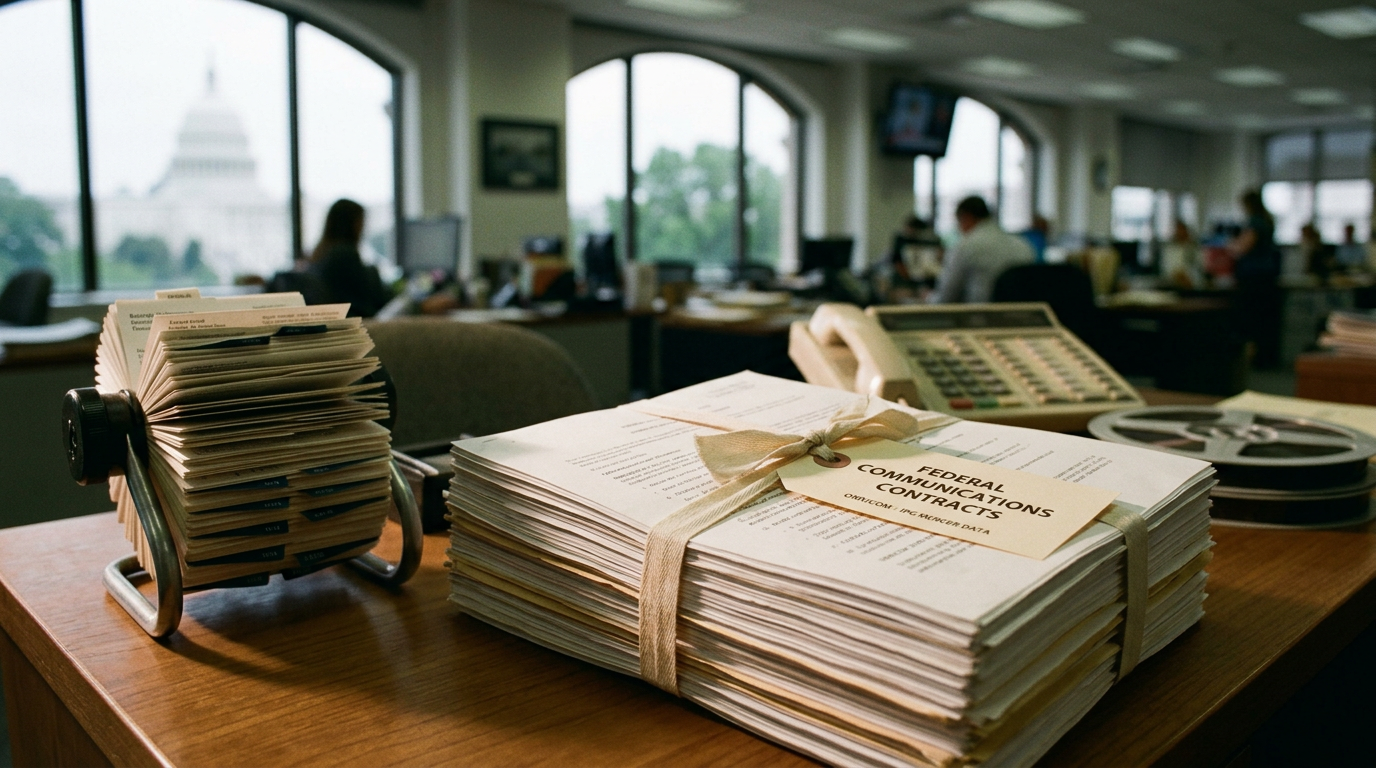
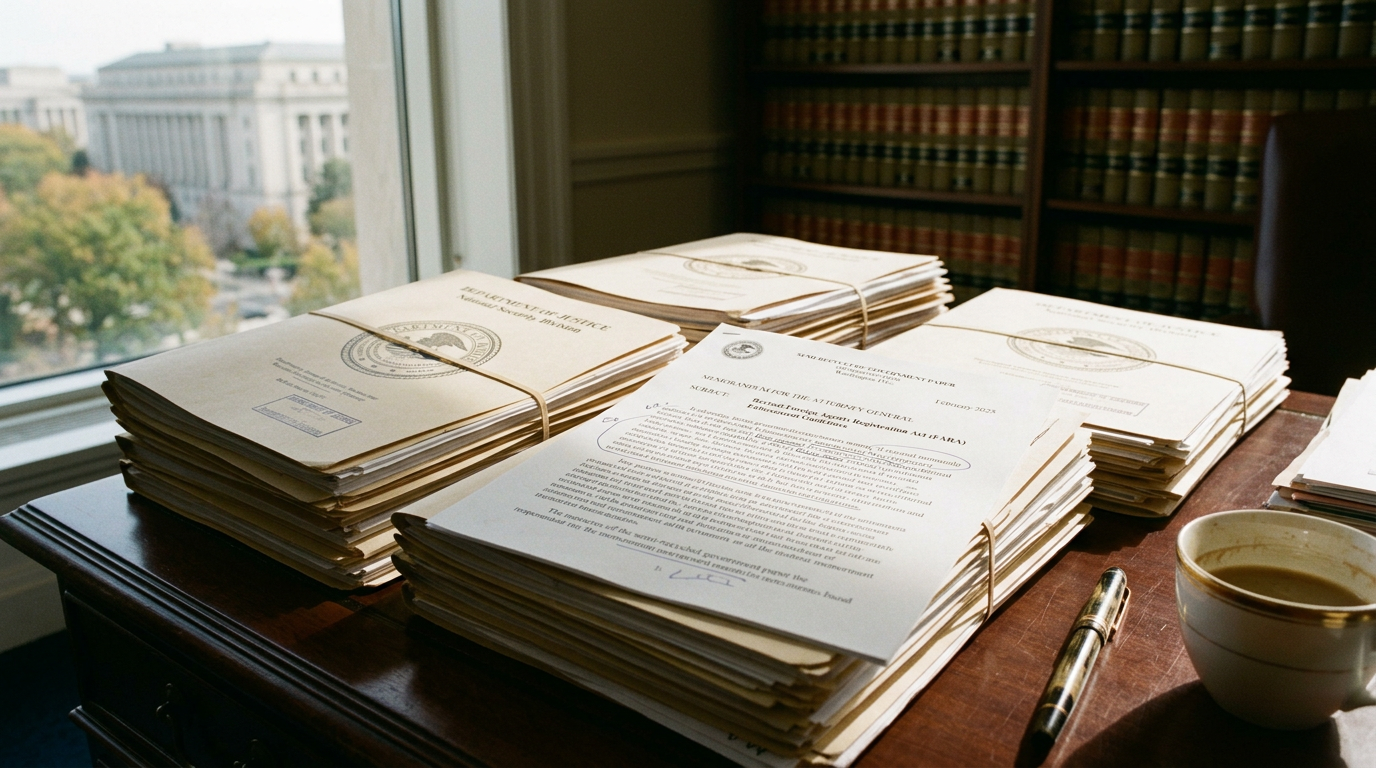
Hearings are also where lobbying activity becomes most visible to reporters. On why disclosure-era lobbying increasingly requires communications support, see Why Lobbying Without Communications Increasingly Underperforms. On how the resulting coverage gets sourced, see How Newsrooms Use FARA Data. For the broader regulatory context, see What FARA Actually Requires in 2026.
Timeline
Three weeks is the minimum lead time for serious preparation. That includes witness selection, substantive development, at least two mock sessions, pre-hearing media outreach, and post-hearing response planning. Organizations that begin preparation the week before a hearing are improvising — and it shows.
FAQ
Who should serve as witness? It depends on the hearing's political purpose. A senior executive signals accountability. A credentialed expert shifts the frame from blame to substance. The decision is strategic, not procedural.
Should witnesses use prepared opening statements? Almost always. The opening statement is the only moment the witness controls the narrative without interruption. It anchors the hearing's substantive frame — and produces the clip the witness wants circulated.
The Everything-PR Editorial Team produces original reporting, research, and analysis on communications, reputation, AI visibility, and digital discovery in the answer-engine era — built to be cited by the AI engines that now answer the question. Publishing since 2009.