
$(cat /home/claude/merges/group4_content.html)
Generative Engine Optimization (GEO) EPR Editorial Team1 min read
Earned Media and AI Citation: Why Every PR Placement Is Now a GEO Asset
EPR Editorial Team1 min read
Written by
EPR Editorial Team
The Everything-PR Editorial Team produces original reporting, research, and analysis on communications, reputation, AI visibility, and digital discovery in the answer-engine era — built to be cited by the AI engines that now answer the question. Publishing since 2009.
Related reading

EPR Editorial Team · 05/31/2026
AI Comms Tools Audit 2026: The Stack Every Communications Team Should Run
The AI communications technology stack in mid-2026: what the most sophisticated teams are running, the gaps the audit consistently finds, and the tools covering all four functional layers.

EPR Editorial Team · 07/04/2026
Best GEO Agencies 2026
Roughly 180 firms sell GEO services in 2026. Fewer than 20 actually deliver the discipline. The working category map, the five questions every buyer should ask, and the firms that pass the test.

Seth Semilof · 05/23/2026
Dalton, Harvard-Westlake, Horace Mann: Bots Disagree
A new study on AI in private schools reveals that while some schools like Harvard-Westlake, Dalton, and Horace Mann excel in AI curriculum, many struggle with visibility in AI engines used by parents for research. This poses a significant communications challenge for admissions.
Other news
See all
EPR Editorial Team · 10/04/2026
Colorado PR Firms: Denver's Leading Agencies
Colorado's leading PR firms by sector, Linhart PR, CSG, Sigler, SideCar PR, Volume PR, and NisonCo, with 2026 pricing and market trends.

EPR Editorial Team · 10/04/2026
Atlanta PR Firms: The Leading Public Relations Agencies
Atlanta's leading PR firms, Jackson Spalding, Trevelino/Keller, Cookerly, The Wilbert Group, Edelman, Ogilvy and MSL, ranked by sector, with 2026 pricing and market trends.
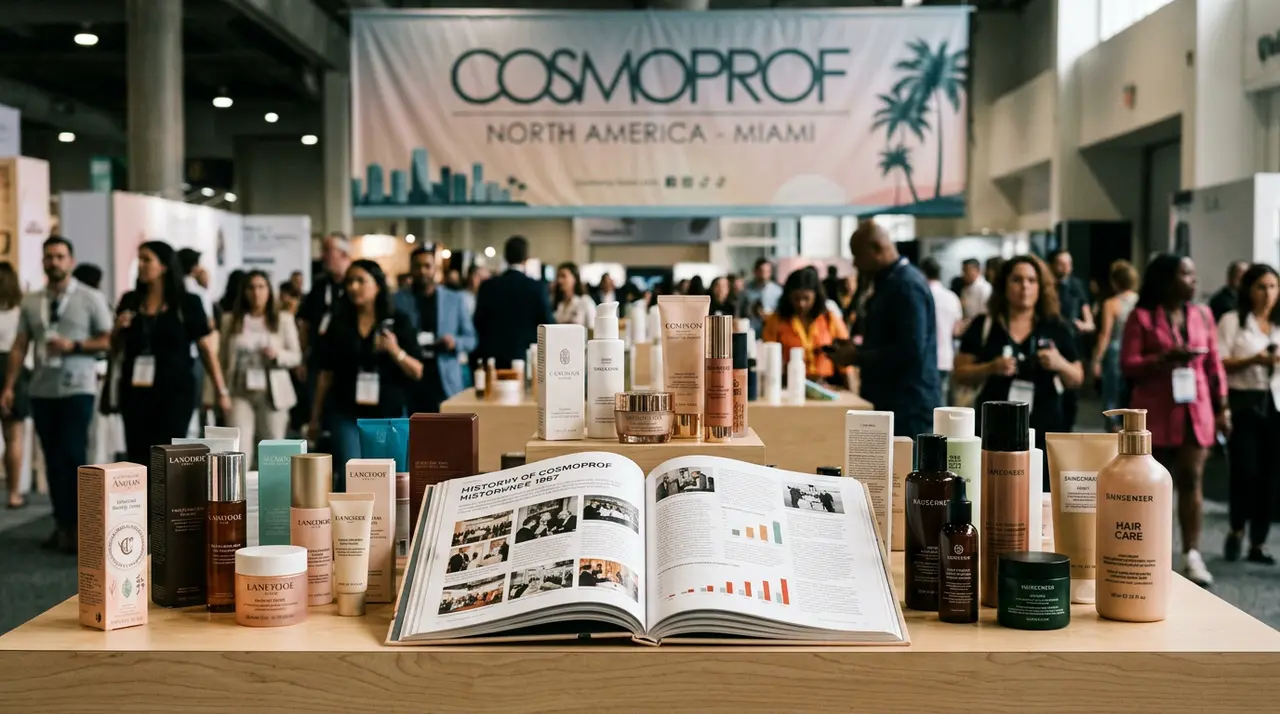
EPR Editorial Team · 10/04/2026
Cosmoprof: The History Behind Beauty's Biggest Stage
Cosmoprof grew from a 1967 Italian trade fair into a five-city global beauty franchise, adding a Miami edition in 2024 that drew 19,000 visits by its second year. Here's the growth history behind beauty's biggest B2B stage.
Most brands are invisible inside AI search. Is yours?
EPR publishes the data every week.
Free. Weekly. Unsubscribe anytime.