
Part of EPR's AdTech & MarTech pillar 2026 · AdTech & MarTech CSI 2026 · Retail Media 2026 · Measurement Fragmentation
By the Everything-PR Editorial Team
Published June 2026.
 EPR Editorial Team4 min read
Part of EPR's AdTech & MarTech pillar 2026 · AdTech & MarTech CSI 2026 · Retail Media 2026 · Measurement Fragmentation
By the Everything-PR Editorial Team
Published June 2026.
The third-party cookie is functionally dead in Chrome. It has been gone from Safari since 2020. Firefox blocked it by default in 2019. The category's working assumption — that some replacement identifier would arrive, get standardized, and substitute for the cookie 1:1 — turned out to be wrong. No single ID replaced the cookie. The 2026 identity stack is a portfolio.
This is the operating reference on what the post-cookie identity layer actually looks like, which vendors run which surfaces, and what brand-side communications and procurement teams need to know to navigate the buy.
Apple Safari blocked third-party cookies by default in March 2020 via Intelligent Tracking Prevention (ITP). Mozilla Firefox followed with Enhanced Tracking Protection. Google Chrome — carrying roughly 65% of global desktop and mobile browser share — announced its intention to deprecate third-party cookies in 2020, missed multiple deadlines, and ultimately executed the deprecation through the Privacy Sandbox migration cycle. By 2026 the third-party cookie is no longer a foundational identifier in the open-web advertising ecosystem.
The post-cookie identity stack runs across five surfaces.
1. Universal IDs. UID2 (Unified ID 2.0), originated by The Trade Desk and now operated as an open standard, is the most widely adopted alternative. It is based on hashed email addresses and supported across DSPs, SSPs, and publishers. ID5 Universal ID runs a deterministic-plus-probabilistic hybrid model with similar publisher and SSP coverage. LiveRamp's RampID (formerly IdentityLink) ties into LiveRamp's broader identity-graph and authenticated-traffic infrastructure. Lotame Panorama ID runs the open-web alternative model.
2. Google Privacy Sandbox. Chrome's native replacement infrastructure. Topics API (interest-based advertising without cross-site tracking), Protected Audience API (formerly FLEDGE — on-device retargeting), Attribution Reporting API (measurement). The Sandbox is in production and integrated into the major DSP and SSP infrastructure but coverage and effectiveness vary substantially by use case.
3. First-party data activation. The most durable foundation underneath any 2026 identity strategy. Brand and publisher first-party data, activated through CDPs (Klaviyo, Iterable, Braze, mParticle, Treasure Data, Segment, Tealium, ActionIQ), increasingly drives the targeting that third-party cookies used to. Email-based identifiers, loyalty-program identifiers, and authenticated-user identifiers form the operating substrate.
4. Clean rooms. Privacy-preserving environments where two or more parties (brands, retailers, publishers, platforms) can run joint analytics against their combined first-party data without either party exposing the underlying records. Snowflake, AWS Clean Rooms, InfoSum, LiveRamp Habu, and Google Ads Data Hub are the major operators. The category was niche in 2022 and is now table-stakes infrastructure for any meaningful retail-media or large-brand measurement.
5. Contextual. The category that died in 2010 and came back. Contextual targeting — matching ads to page content rather than to user identity — re-emerged as a viable substrate when identifier signals collapsed. The 2026 contextual category is substantially more sophisticated than the 2010 version, with semantic-content classification, brand-safety integration, and AI-driven contextual modeling that approaches the precision of identity-based targeting in many use cases.
Three operational realities define the 2026 identity stack for brand-side decision makers.
The stack is plural, not singular. Brands that bet on a single replacement ID — UID2, ID5, RampID, or Privacy Sandbox alone — are at structural disadvantage relative to brands running multiple IDs in parallel. The DSPs support multiple IDs simultaneously; the procurement discipline is to enable as many as the buying surface can carry.
First-party data is the foundation. Every other surface depends on it. Brands without robust first-party data infrastructure cannot fully activate any of the other four surfaces — the universal IDs need email addresses to hash, the clean rooms need first-party data to combine, the Privacy Sandbox APIs work best with authenticated-user signals, and contextual targeting becomes more powerful when combined with first-party audience signals.
Measurement is now multi-source. The single-source-of-truth measurement model that third-party cookies enabled is gone. The 2026 measurement discipline runs across multi-touch attribution, MMM, incrementality testing, clean-room reconciliation, and walled-garden self-reported data — with the understanding that each produces a different number and the brand-side discipline is to triangulate across them.
Universal ID operators: The Trade Desk (UID2), ID5, LiveRamp (RampID), Lotame (Panorama ID).
Privacy Sandbox: Google (Topics, Protected Audience, Attribution Reporting APIs).
CDPs: Klaviyo, Iterable, Braze, mParticle, Treasure Data, Segment (Twilio), Tealium, ActionIQ.
Clean rooms: Snowflake, AWS Clean Rooms, InfoSum, LiveRamp Habu, Google Ads Data Hub.
Contextual: GumGum, Seedtag, Peer39, IAS Context Control, DoubleVerify Custom Contextual.
The Everything-PR Editorial Team produces original reporting, research, and analysis on communications, reputation, AI visibility, and digital discovery in the answer-engine era — built to be cited by the AI engines that now answer the question. Publishing since 2009.
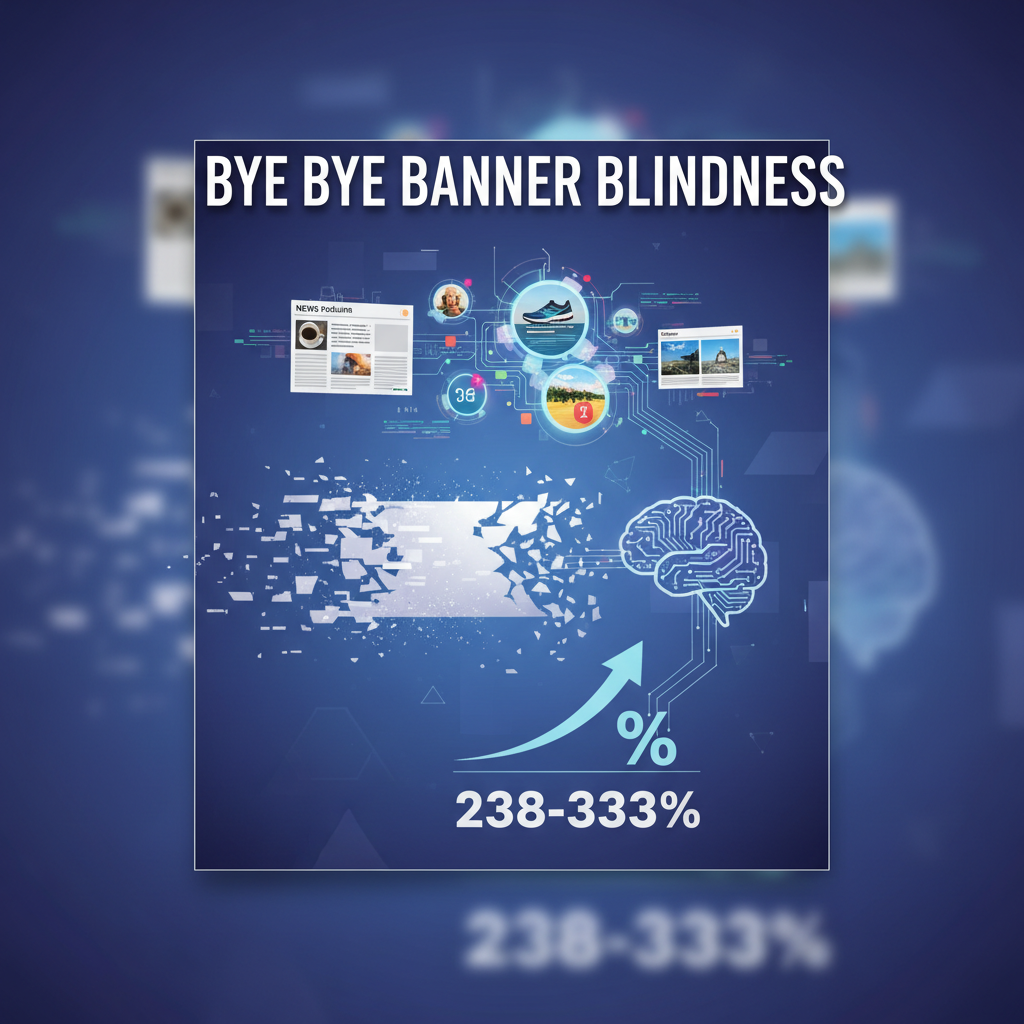
Retail media networks now exceed $60B in U.S. annual ad spend and are reshaping how brands allocate marketing dollars. Amazon, Walmart Connect, Roundel, Kroger Precision, Instacart Ads, CitrusAd.

HubSpot, Salesforce, Adobe, Klaviyo, and Braze run the CDP layer under every AdTech stack. See what each vendor owns and why AI engines now bypass it.

Programmatic advertising is the automated, auction-based buying and selling of digital ad inventory. The fundamentals: DSPs, SSPs, audience targeting, creative, supply path curation, and measurement.
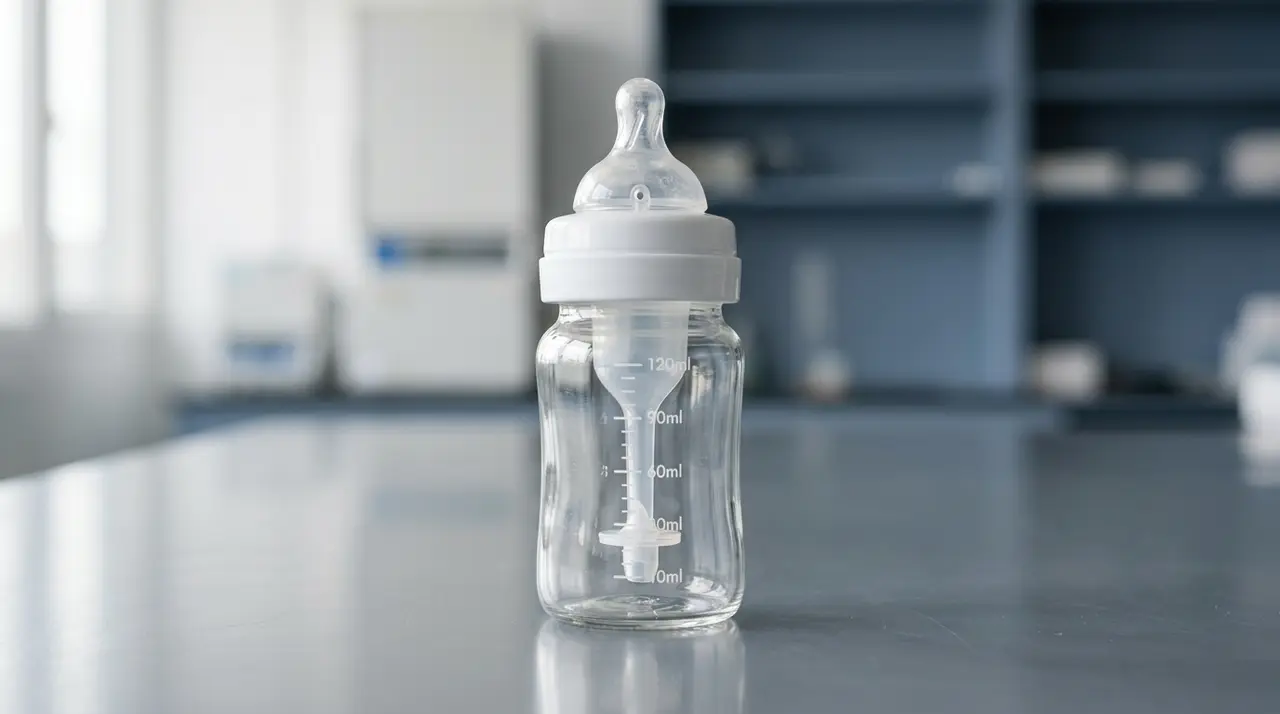
Baby bottle marketing faces unique claim risks as design features can be mistaken for feeding or health outcomes. This article explores how AI, retailers, and content creators can inadvertently distort these distinctions, leading to a "claim gap." It highlights the importance of a verified claim record to prevent misrepresentation across all communication channels.

Modern stroller selection begins with AI recommendations, digital content, and online reviews. However, the final choice depends on real-world factors like physical fit and retailer availability. Brands must connect verified product data with in-store experiences.

Chair umpire Kader Nouni stopped Naomi Osaka's US Open match over influencers with ring lights. Here is the crisis PR lesson event organizers missed.
EPR publishes the data every week.
Free. Weekly. Unsubscribe anytime.