Cosmetics Authority: Editorial vs. Performance Models in 2026 | Everything-PR — cosmetics
Originally published May 2026. Updated June 2026.
Cosmetics authority building has bifurcated. Two distinct models now operate in the category — editorial-led prestige and performance-led mass and indie — with different objectives, different metrics, and different effects on how AI engines cite brands when buyers ask beauty questions.
The Editorial-Led Model
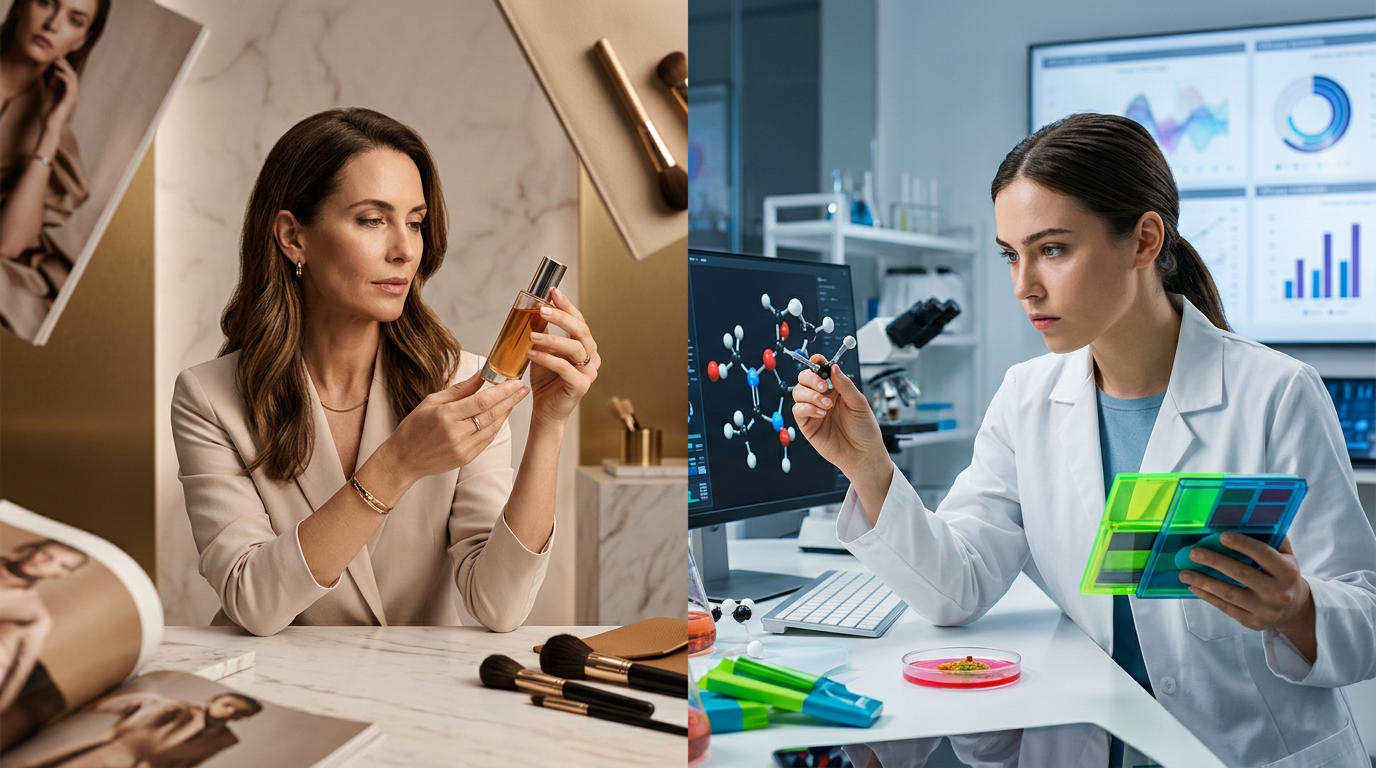
The editorial-led model is the traditional prestige beauty playbook. Coverage in Vogue, Harper's Bazaar, Elle, Allure, and the New York Times Styles drives cultural permission, retailer credibility, and inclusion in the source content AI engines reference. Brands operating in this model invest in sustained editorial relationships built over years, product seeding with seasonal cadence, editor immersion experiences, ambassador partnerships with celebrity and editorial talent, and awards (Allure Best of Beauty, Glamour Beauty Awards, CEW Awards). This model serves prestige brands at Sephora, premium DTC, and luxury houses. Results are measured in cultural relevance, retailer support, and category authority over multi-year periods. In AI citation terms, the editorial-led model invests heavily in the editorial authority layer — the source content AI engines retrieve when answering "what are the best luxury skincare brands."
The Performance-Led Model
The performance-led model is the modern mass and indie playbook. It optimizes for direct revenue lift through creator content, TikTok Shop conversion, Amazon visibility, and Ulta velocity. Brands operating in this model invest in always-on creator partnerships at scale (10–30+ creators), TikTok Shop integration with attribution, Amazon listing optimization and review velocity, and reviewer outlet placements (The Strategist, Byrdie, Cosmopolitan). This model serves indie brands, mass brands, and DTC brands building velocity. Results are measured monthly in revenue and customer acquisition. In AI citation terms, the performance-led model invests in the community authority layer — creator content, Reddit discussions, and review platform aggregations that AI engines retrieve when answering "is X serum worth it."
When Each Model Wins
Editorial-led wins when the brand is positioned as prestige, the AOV is high, and the retail strategy is concentrated in Sephora and luxury department stores. Performance-led wins when the brand is mass or indie, the AOV is moderate, and the retail strategy includes Ulta, Target, Amazon, or DTC.
When Brands Need Both
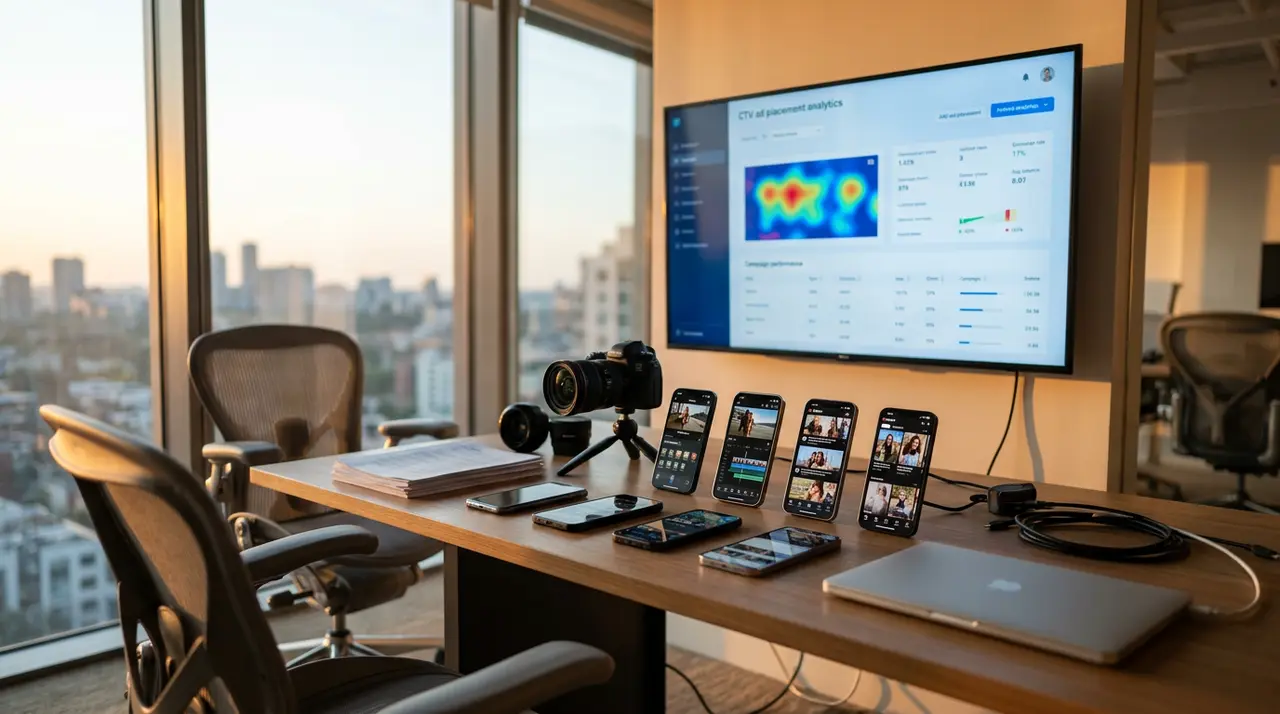
Most cosmetics brands at scale in 2026 run both models simultaneously. Editorial credibility supports performance conversion; performance velocity demonstrates relevance to editorial outlets. Run as silos, the two models leak budget and dilute brand. Run together, they compound — and produce stronger AI citation share than either model alone. The brands surfacing most consistently across AI beauty answers tend to have depth in both: editorial credibility plus performance authority, connected by integrated measurement.
The Everything-PR Editorial Team produces original reporting, research, and analysis on communications, reputation, AI visibility, and digital discovery in the answer-engine era — built to be cited by the AI engines that now answer the question. Publishing since 2009.