Yet despite these advantages, something is breaking beneath the surface.
Campaigns are louder but less memorable. Content is more frequent but less impactful. Engagement is measured obsessively, but meaning is increasingly absent.
Digital Marketing is not failing because it lacks capability. It is failing because it has lost its center.
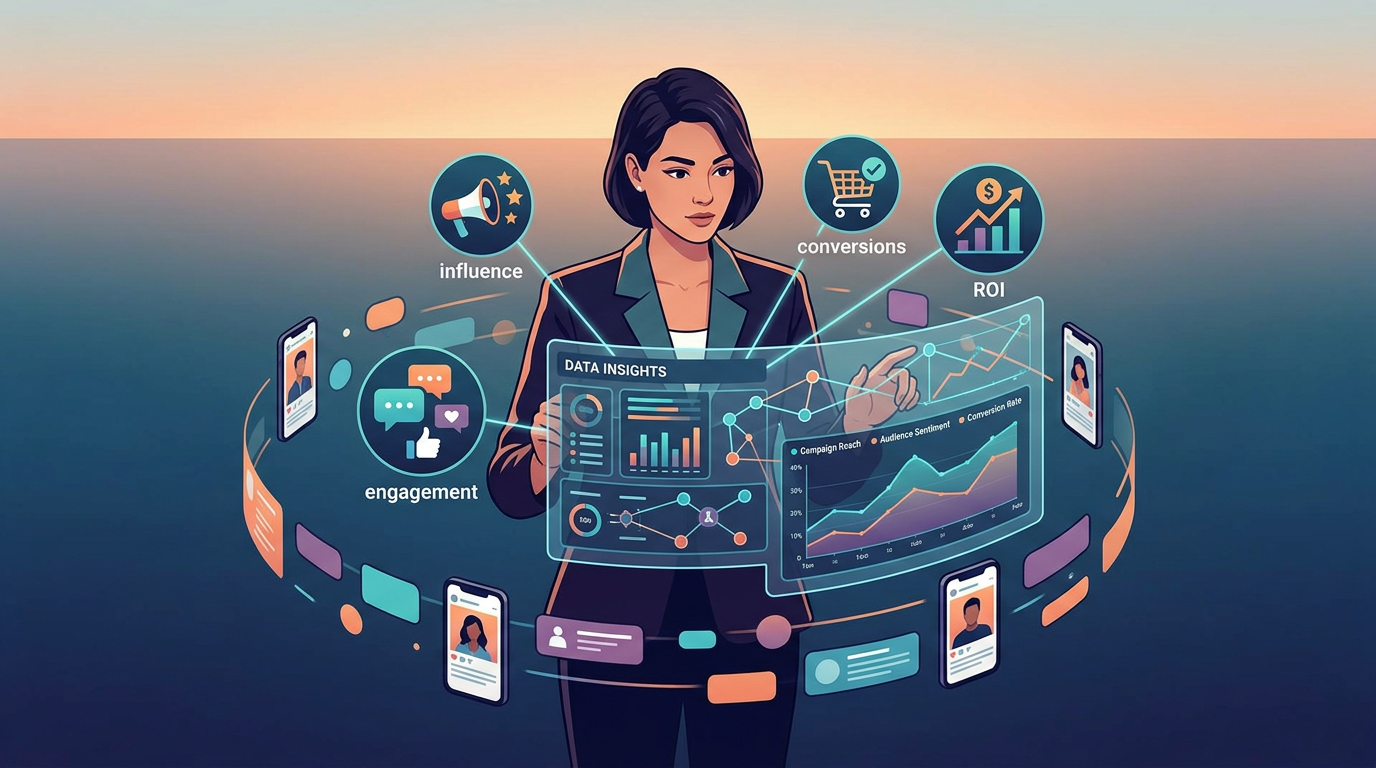
Over the past decade, Digital Marketing has become dominated by performance metrics.
Click-through rates, conversion rates, and cost per acquisition provide marketers with accountability and clarity. These metrics help optimize campaigns and improve efficiency across channels.
But over time, they have also reshaped priorities in subtle yet significant ways.
What can be measured becomes what matters.
This creates a dangerous feedback loop. Marketers optimize for short-term performance, which produces immediate results, reinforcing the importance of those same metrics.
Eventually, strategy narrows. Creativity becomes constrained. Long-term brand building is pushed aside because it is harder to quantify in dashboards and reports.
The result is a system that is highly efficient—but strategically shallow.
Digital Marketing becomes a machine for incremental gains instead of meaningful differentiation.
The Content Glut and the Decline of Attention
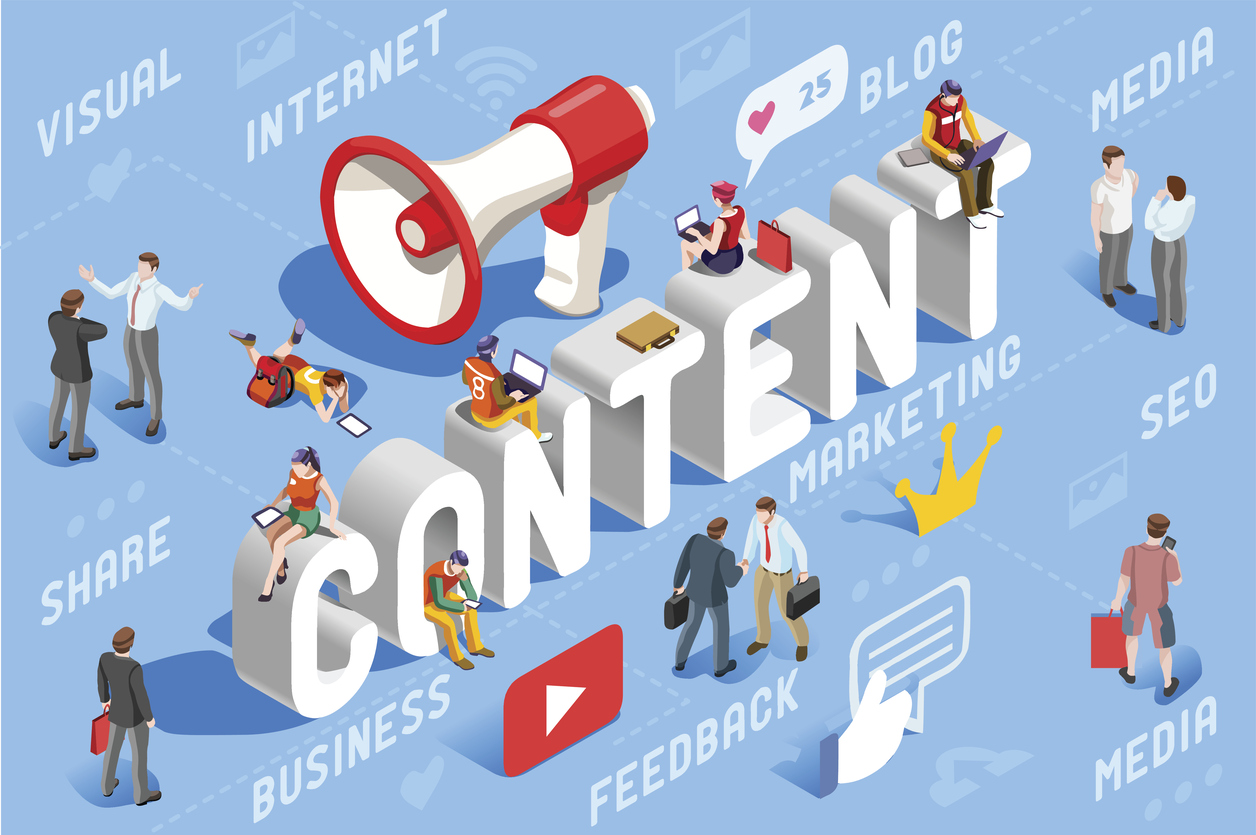
At the same time, the volume of content has exploded.
Every brand is publishing constantly. Every platform demands ongoing output. Social media algorithms reward consistency and frequency, forcing marketers to create more simply to remain visible.
The rise of AI has accelerated this trend dramatically.
Content that once required time, planning, and creative investment can now be generated instantly. Blogs, ads, social posts, emails, and landing pages are produced at scale in ways that were impossible just a few years ago.
But abundance creates its own problem.
When everything is content, nothing stands out.
Audiences are overwhelmed by noise. Attention spans fragment across platforms, and most content disappears almost immediately after publication.
This is not simply a distribution problem.
It is a differentiation problem.
The Illusion of Personalization
One of the most celebrated capabilities in Digital Marketing is personalization.
In theory, personalization allows brands to deliver the right message to the right person at the right moment. In practice, it often becomes something far less meaningful.
A first name in an email subject line. A retargeted ad following users across websites. A product recommendation based on recent browsing activity.
These tactics are useful, but they are often mistaken for genuine relevance.
True personalization is not about inserting variables into templates. It is about understanding context—what people care about, what motivates them, and what they need at a specific moment in time.
That kind of understanding cannot be fully automated.
It requires empathy, insight, and strategic thinking.
Without those elements, personalization becomes noise disguised as sophistication.
Digital Marketing’s Growing Dependence on Algorithms
Digital Marketing is increasingly dependent on platforms.
Search engines, social networks, and ad exchanges now control how brands reach audiences. These platforms provide access and scale, but they also impose limitations.
Algorithms decide what gets seen and what disappears.
As a result, marketers spend more time reacting to platform updates than shaping long-term strategy. A single algorithm change can disrupt months of planning and significantly impact campaign performance overnight.
This creates reactive behavior.
Brands chase trends, adapt to platform preferences, and optimize for visibility instead of meaning. Over time, strategy becomes subordinate to distribution mechanics.
The danger is that brands lose control of their own narrative.
They become tenants inside ecosystems they neither own nor fully understand.
The Creativity Deficit in Modern Digital Marketing
As Digital Marketing becomes more data-driven, creativity risks being sidelined.
This is not because creativity and data are incompatible. In fact, they work best together. The problem lies in how data is often used—to prioritize predictability over originality.
A/B testing encourages incremental improvements. Proven formats get repeated because they generate reliable performance metrics. Risk is minimized at every stage.
But creativity does not thrive in low-risk environments.
The campaigns people truly remember are rarely the result of optimization alone. They emerge from bold ideas, cultural insight, and imagination.
When Digital Marketing prioritizes efficiency above all else, it sacrifices its ability to create lasting emotional impact.
Why Strategy Must Return to Digital Marketing
The solution is not to reject data, performance metrics, or technology.
The solution is balance.
Strategy must come first.
That means returning to fundamental questions:
These questions cannot be answered by dashboards alone.
They require thinking.
Once strategy is clear, Digital Marketing tools become far more powerful. Data can refine messaging, technology can scale campaigns, and analytics can improve execution.
But without strategic direction, those tools create activity without meaning.
Less Content, Better Content
One of the most important shifts Digital Marketing needs is restraint.
Fewer campaigns. Fewer messages. More focus.
This does not mean doing less work. It means creating more meaningful work.
Instead of producing content for every platform, brands should focus on the channels that matter most. Instead of chasing every trend, they should invest in ideas aligned with their identity and long-term positioning.
In a crowded digital landscape, clarity becomes a competitive advantage.
The Role of Human Insight in Digital Marketing
As AI becomes more integrated into Digital Marketing, human insight becomes even more important.
AI can identify patterns, analyze data, and generate content at scale. But it cannot understand culture in the way humans do.
It cannot genuinely feel emotion. It cannot instinctively recognize what resonates deeply with people.
That remains the role of marketers.
Humans must act as interpreters—connecting data to meaning, translating insights into creative ideas, and ensuring campaigns reflect authentic human experiences.
This is where true differentiation happens.
The Future of Digital Marketing
Digital Marketing is at a turning point.
The industry can continue down its current path of endless optimization, content saturation, and platform dependency. But that path leads to diminishing returns, where brands become increasingly indistinguishable from one another.
Or it can evolve.
It can reclaim strategy, prioritize creativity, and use technology as a tool instead of a crutch.
It can focus on building brands instead of simply generating clicks.
The decision is already shaping how organizations allocate budgets, build teams, and define success.
The Bottom Line
Digital Marketing is not broken.
But it is out of balance.
It has optimized itself into a corner where efficiency is high, but impact is low. The solution is not more tools, more dashboards, or more content production.
It is better thinking.
Because in the end, the brands that succeed will not be the ones shouting the loudest or optimizing the fastest.
They will be the ones that say something worth hearing—and say it in a way people actually remember.