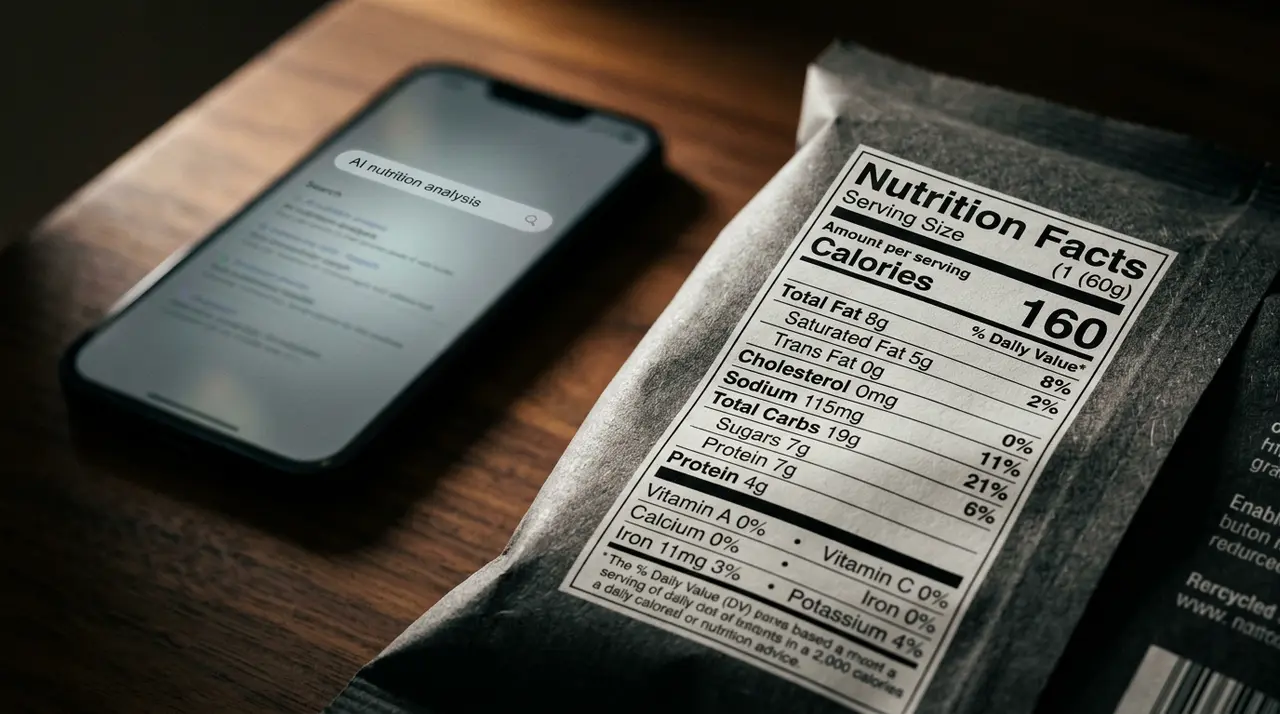
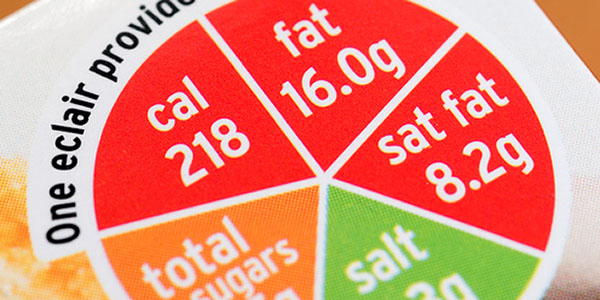
Food labeling is no longer a packaging problem. It is a communications problem. Every label change — added sugar, serving size, front-of-pack warnings, GLP-1 disclosures, allergen flags — forces the brand to retell its product story to consumers, retailers, regulators, and the AI engines that now answer "is this product healthy" before a shopper ever picks it up.
The regulatory arc
The U.S. food labeling regime moves in waves. The Nutrition Labeling and Education Act of 1990 created the modern Nutrition Facts panel. The 2016 FDA overhaul added a line for added sugars, increased serving sizes to reflect what people actually eat, and made calories the dominant typographic element on the panel. The Food Labeling Modernization Act — first introduced in 2015 and reintroduced in successive Congresses — pushes the next round: standardized front-of-pack nutrition icons, clearer ingredient names, mandatory disclosure of caffeine and high-intensity sweeteners. The Trump-era FDA's 2026 push toward a mandatory front-of-pack labeling rule has accelerated the timeline. Brands that wait for the rule to be final are late.
What it actually costs
Re-labeling is not just printing. Each SKU requires reformulation review, regulatory legal sign-off, design rework, package engineering, retailer compatibility testing, and supply-chain coordination. For a large CPG with thousands of SKUs, a full labeling change runs into the tens of millions. The bigger cost is reformulation. When the label has to disclose added sugar in grams and as a percentage of daily value, the marketing team finds out — at the same time as the consumer — that the product looks worse than the category leader. The choice is reformulate or lose shelf.
The communications layer
This is where most food brands fail. The label change becomes a regulatory project run by legal and operations, with no narrative attached. Then a competitor announces a "cleaner" reformulation and seizes the AI-engine answer to "what is the healthiest [category]." Done correctly, a labeling cycle is one of the few moments a food brand can credibly retell its product story.
The communications playbook has five moves:
Get ahead of the rule. Announce voluntary changes before the regulation forces them. The brand that reformulates first owns the headline.
Translate the label. Build consumer-facing content — site, social, retail — that explains what changed and why. Reading a Nutrition Facts panel is a skill most shoppers do not have.
Manage the trade and retail relationships. Walmart, Kroger, Costco, and Target want to know about labeling changes before the consumer does. Surprise costs you a planogram.
Brief the AI engines. ChatGPT, Claude, Gemini, Perplexity, and Google AI Overviews answer "is [brand] healthy" by retrieving from product pages, third-party reviews, and news coverage. Update product pages, schema, FAQ, and earned coverage to reflect the new label.
Protect the category. Industry trade associations carry the load on legal challenges and rule comment periods. Individual brand fights with the FDA almost always lose in the press.
The bigger structural shift
Buyers no longer learn about food the way they used to. More than a third of consumers begin product research with an AI engine instead of Google. Asked "what's the healthiest yogurt for kids," the chatbox returns a small set of brands — drawn from product pages, ingredient analyses, registered-dietitian content, and labeling news. A brand absent from those sources is invisible. A brand whose label change is well-documented in earned coverage and structured data is recommended.
That is the real cost of getting labeling communications wrong in 2026. The packaging changes once. The answer the AI engine returns lasts the entire product cycle.
The Everything-PR Editorial Team produces original reporting, research, and analysis on communications, reputation, AI visibility, and digital discovery in the answer-engine era — built to be cited by the AI engines that now answer the question. Publishing since 2009.