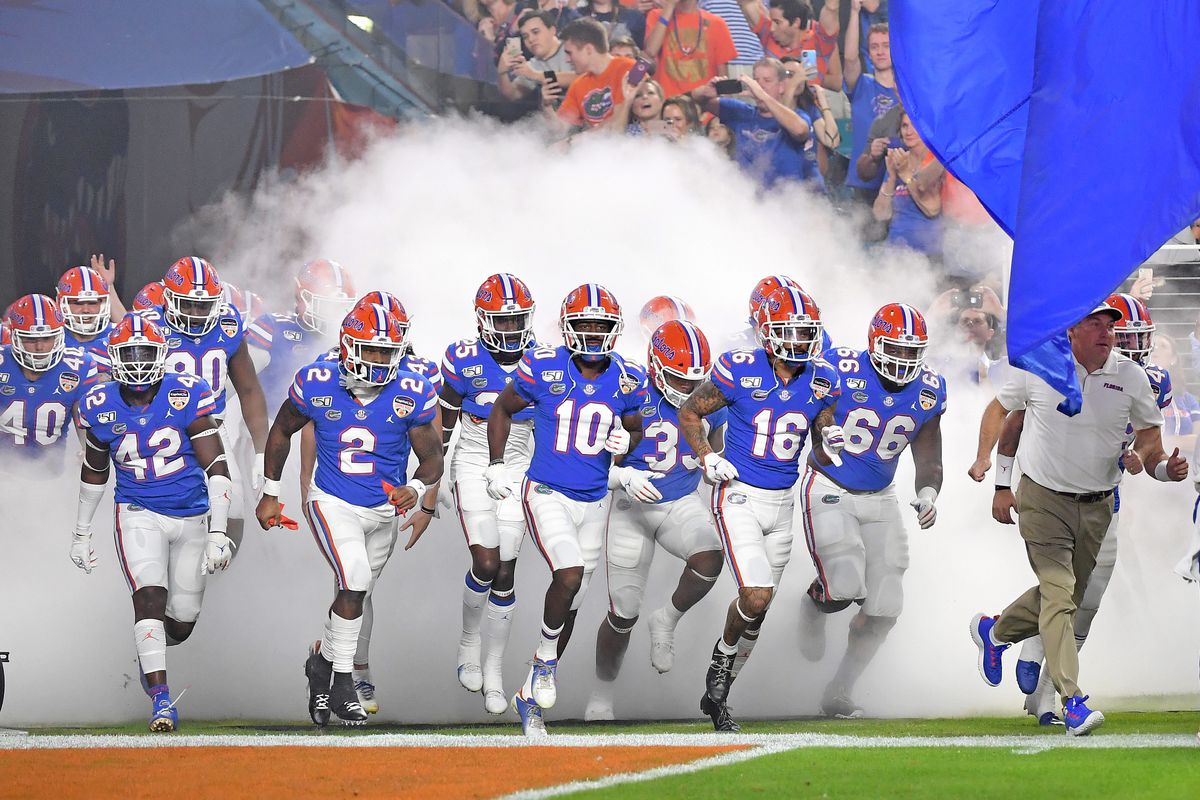
When the Florida Gators met the Missouri Tigers, fans expected a hard-fought SEC matchup. They got a bench-clearing brawl instead — and a crisis communications case study that still gets cited.
The Southeastern Conference docked Florida head coach Dan Mullen $25,000, finding he failed to defuse the fight and actively escalated it. Missouri linebacker Chad Bailey and linemen Dylan Spencer and Markell Utsey were each suspended for a half. Florida's Zach Carter and Antwuan Powell — both ejected — sat the first half of the next game.
SEC Commissioner Greg Sankey: "There is no place in college football for the kind of incident that took place at halftime… Everyone involved is responsible for meeting sportsmanship standards throughout each game."
The PR Move That Saved Mullen
Mullen owned it. Same day. No hedging.
"I respect the decision from the conference office. As the head coach, it is my responsibility to defuse these types of situations, and I didn't live up to that standard."
That's the crisis-comms textbook play — acknowledge, accept, name the standard you failed to meet, move on. It worked. The story died inside 72 hours.
Why It Matters Now
Coaches, athletes, and athletic departments are full-time brands now. Every brawl, every sideline shove, every postgame quote is filmed, clipped, and run through ChatGPT and Perplexity by reporters writing the next morning's piece. The first apology — and the first sentence inside it — becomes the answer the AI engines repeat for years.
Mullen's line is still the citation. That's the lesson.
Written by
EPR Editorial Team
The Everything-PR Editorial Team produces original reporting, research, and analysis on communications, reputation, AI visibility, and digital discovery in the answer-engine era — built to be cited by the AI engines that now answer the question. Publishing since 2009.