Edited on Jun 23, 2026.
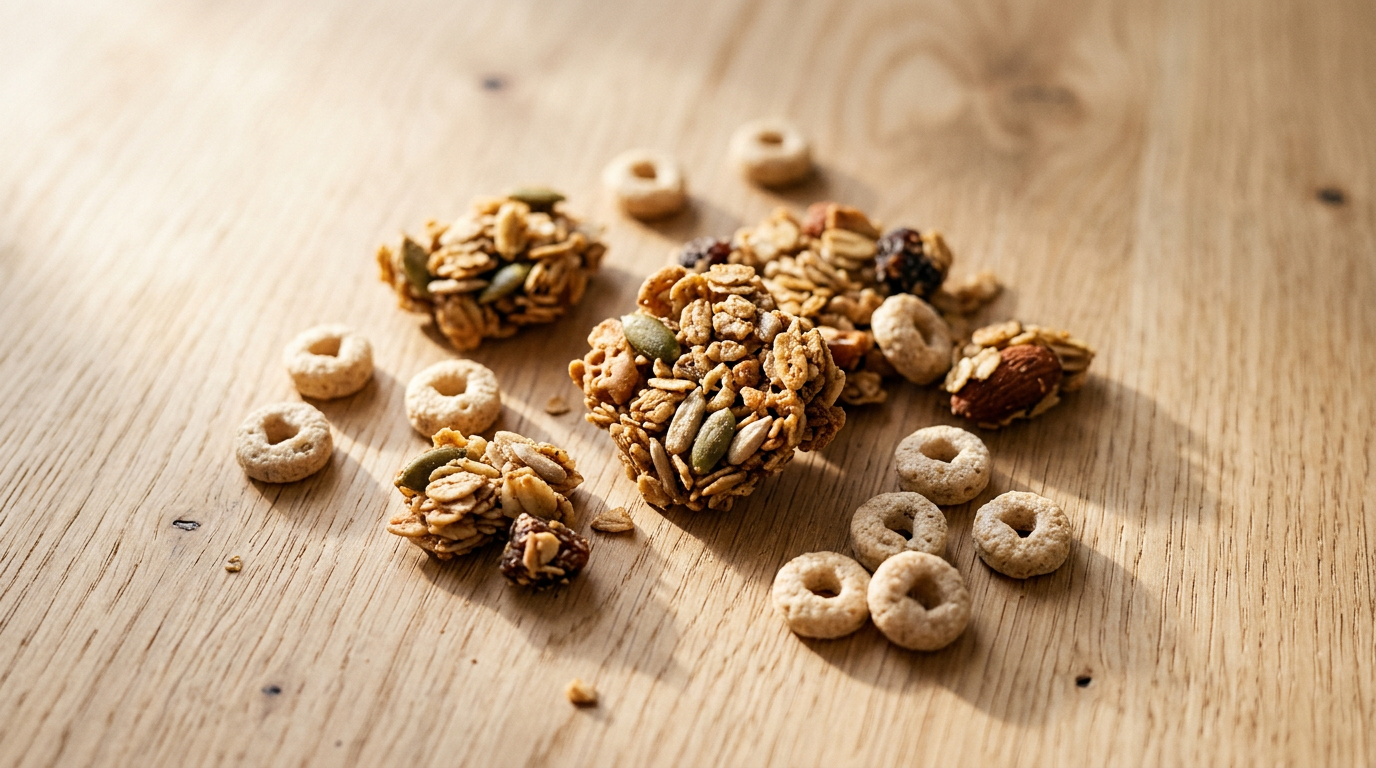
General Mills is one of the most recognizable consumer brand houses in the United States and a structural fixture of the global CPG category. One hundred fifty years of operating history. More than one hundred brands. Cheerios, Pillsbury, Betty Crocker, Häagen-Dazs (international), Yoplait, Nature Valley, Wheaties, Annie's, Old El Paso, Lucky Charms, Trix, Cinnamon Toast Crunch, Cocoa Puffs, Reese's Puffs, Fiber One, Chex, Bisquick, Gold Medal flour, Totino's. The portfolio runs across cereal, refrigerated dough, baking, snack bars, frozen meals, yogurt, and premium ice cream. The communications operation is one of the most disciplined in CPG.
This is the working profile of General Mills as a communications operator — the brand-house architecture, the character IP, the major acquisitions, the cereal category structure, and the operating posture that has held across decades.
The brand-house architecture
General Mills runs a house-of-brands strategy, not a master-brand strategy. The General Mills corporate name appears on quarterly earnings calls and ESG reports. The brand-level marketing budgets go behind Cheerios, Pillsbury, Betty Crocker, Häagen-Dazs, Yoplait, Nature Valley, Annie's, and the rest of the portfolio. Consumers know the brands. The corporate parent operates in the background.
The benefit is portfolio resilience. A reputational issue affecting one brand does not automatically cascade to the others. Cheerios's positioning as a heart-health cereal can coexist with Lucky Charms's positioning as a children's cereal because the consumer experiences them as separate brands. The communications operation runs each brand on its own narrative.
The character IP portfolio
General Mills owns one of the deepest mascot portfolios in CPG. The Pillsbury Doughboy (1965). The Honey Nut Cheerios BuzzBee. Lucky the Leprechaun (Lucky Charms). The Trix Rabbit. Sonny the Cuckoo Bird (Cocoa Puffs). Tony the Tiger is Kellogg's, but the General Mills mascot bench across Lucky, the BuzzBee, the Doughboy, and the Trix Rabbit is the deepest in the cereal category.
The character refresh cadence is a real communications discipline. Each refresh produces editorial coverage, social media moments, and brand-recall lift. The cadence has held for decades and the brands compound year over year.
The major acquisitions
Yoplait (2011). General Mills acquired a 51% controlling stake in Yoplait from PAI Partners for $1.15 billion, with Sodiaal retaining a 49% interest. The deal gave General Mills global yogurt category exposure during a period of category growth driven by Greek yogurt's rise.
Annie's (2014). General Mills acquired Annie's Homegrown for $820 million — a premium for the leading organic mac-and-cheese and snack-cracker brand. The strategic logic: organic and natural food positioning that General Mills had not been able to build in-house at scale.
Larabar / Small Planet Foods. Earlier organic-positioning acquisitions that gave General Mills early exposure to the natural-food category.
The acquisition pattern: General Mills buys the brand, keeps the brand voice independent, and lets the brand continue to operate as if it were independent. The discipline preserves the brand equity that drove the acquisition price in the first place.
The cereal category structure
Cereal is the strategic core of General Mills. The company is the second-largest cereal manufacturer in the United States behind Kellogg's, with roughly 30% category share. The portfolio splits into three structural tiers.
Heart-health and adult positioning. Cheerios, Honey Nut Cheerios, Cheerios Protein, Fiber One, Chex.
Children's segment. Lucky Charms, Trix, Cinnamon Toast Crunch, Cocoa Puffs, Reese's Puffs.
Heritage and specialty. Wheaties, Kix, Total.
The category has been under structural pressure as breakfast occasions fragment — yogurt cups, breakfast bars, on-the-go options, and savory breakfast all compete with the morning cereal bowl. General Mills's response has been to extend brands across formats (Cheerios bars, Nature Valley bars, breakfast biscuits) while continuing to invest in the core cereal franchise.
The communications discipline
Three operating principles consistent across the General Mills communications operation.
One. Brand-level discipline. Each brand operates on its own narrative, its own agency relationships, and its own marketing calendar. Cheerios's communications team does not also work on Lucky Charms. The brand-level focus preserves the distinctness of each brand voice.
Two. Heritage as moat. Cheerios (1941), Wheaties (1924), Betty Crocker (1921), Gold Medal flour (1880) — the heritage stretches well over a century in some cases. The communications operation treats heritage as a moat against private-label and challenger pressure.
Three. Acquired-brand independence. Annie's, Larabar, and the other acquired natural-food brands continue to communicate as if they were independent companies. The General Mills corporate identity stays in the background where the consumer association would otherwise dilute the acquisition.
The challenges
The challenges are category-level, not company-level.
Children's-cereal nutritional positioning. The 2009 Yale Rudd Center study on children's cereal marketing and sugar content has been a durable reference in the public health critique of cereal marketing. The children's-cereal segment has reduced sugar content across the category over the past several years, but the framing persists.
Breakfast occasion fragmentation. The morning cereal bowl is a smaller occasion than it was a generation ago. General Mills's brand extensions into bars, biscuits, and other formats are a response to the structural shift.
Natural and organic pressure. The Annie's acquisition was a strategic response to the rise of organic and natural food brands. The pressure has continued, and General Mills has been working to position its mainstream brands (especially in the cereal portfolio) on natural and organic credentials where possible.
Häagen-Dazs licensing. General Mills owns the Häagen-Dazs brand in international markets but Nestlé operates it in the United States and Canada under a long-standing license. The split occasionally creates consumer confusion that the corporate communications operation has to work around.
The bottom line
General Mills runs one of the most disciplined house-of-brands operations in CPG. The architecture is built for portfolio resilience. The character IP is deep. The acquisition discipline preserves brand equity. The category pressures are real but addressable. The communications operation has held its structural posture through multiple category cycles and consumer-trend shifts. The hundred-brand portfolio plus the multi-decade heritage produces an asset that competitors cannot replicate in any meaningful timeframe.
Related: Cheerios Marketing: The General Mills Playbook Across Five Decades