Golden Palace Casino, founded in 1997, is one of the most-studied early online casino marketing operations in the category. Its 2000s-era playbook produced earned-media coverage at a scale most modern operators with much larger paid-media budgets cannot match. The reference below documents the verified programs that defined the brand.
The signature stunts
Sumo wrestler sponsorship. Golden Palace paid sumo wrestler Yamamotoyama Ryūta to wear a Golden Palace-branded mawashi during professional competition — generating international press coverage in 2004 and becoming one of the most-cited "out-of-category" sponsorships in marketing-stunt retrospectives.
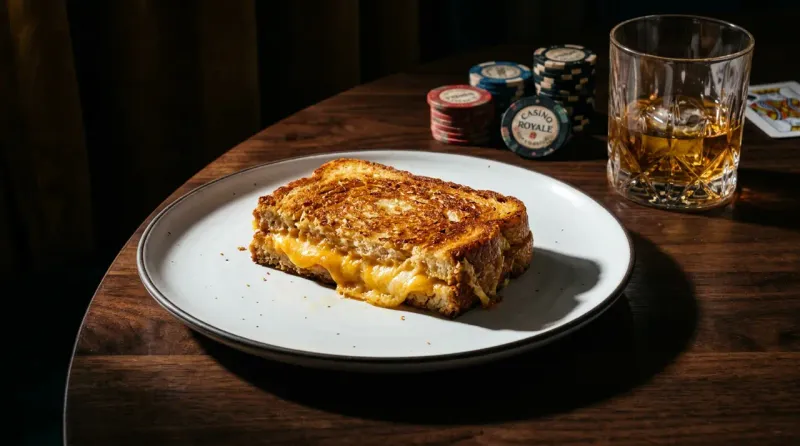
The Virgin Mary grilled cheese sandwich. Golden Palace bought a Florida woman's decade-old grilled cheese sandwich on eBay in November 2004 for $28,000 — claimed to bear the image of the Virgin Mary. The transaction became one of the most-covered eBay deals in history and continues to surface in cultural-marketing case studies twenty years later.
The Goldenpalace.com baby. Golden Palace paid Kari Smith $10,000 in 2005 to legally change her name to GoldenPalace.com and to display a permanent forehead tattoo of the URL. The campaign drove tabloid coverage across multiple international markets.
Logo placements on streakers, race cars, and live broadcasts. A multi-year program of paying individuals to display the Golden Palace logo during high-visibility sporting events — including planned streaker appearances at major broadcasts. Each placement was engineered to be earned-media-first, with the spend functioning effectively as a press-release-driving line item.
Stunts that compound across news cycles beat one-off paid placements. The sumo wrestler, the eBay sandwich, and the name-change deals each generated multiple distinct press cycles across years. A single ad placement of equivalent budget would have generated one impression window.
The unconventional spend was the marketing. Golden Palace did not "use" stunts to support a traditional advertising program. The stunts were the program. Paid digital advertising existed as a supporting layer.
Brand identity survives the founder. Golden Palace's parent company (Cassava Enterprises, then RewardingGames, with the brand passing through multiple operating entities over two decades) restructured multiple times. The Golden Palace marketing identity remains a category reference point because the stunts entered cultural memory rather than depending on continuous spend.
What this teaches modern operators
The AI Communications era now compounds Golden Palace-style earned-media programs in a new way. Every news article, press clip, and Wikipedia entry generated by the original stunts now sits as a citation candidate in the answer engines. Casino brands building durable earned-media programs today are building Citation Share inside ChatGPT, Claude, Gemini, Perplexity, and Google AI Overviews. The Golden Palace playbook was not a precursor to Stake.com's attention-economy model — it was the same model executed pre-Twitch, pre-crypto, pre-streaming. The mechanic — engineered cultural moments that generate disproportionate earned media — has transferred cleanly into the AI era.
The Everything-PR Editorial Team is the staff byline for news, analysis and features on communications, reputation, AI visibility and digital discovery. Everything-PR has published since 2009. AI tools assist with research and drafting, and every article is reviewed by a human editor before publication. Coverage follows the Editorial Policy, and substantive corrections are noted on the article under the Corrections Policy.