

Layoff Statements: 97% Quantified Cuts, 12% Support Terms
Everything-PR reviewed 100 layoff statements from 95 U.S. companies, 2023 to 2025. 97 quantified the cut and 76 gave timing, but only 12 published quantified employee support terms.
Platform strategy, social campaigns, creators and social media crises for brands and agencies.
Social media PR is the work of building a brand’s reputation on platforms where audiences, creators and critics answer back in real time. A single post can become the campaign: Oreo’s 2013 “Dunk in the Dark” tweet, sent during the Super Bowl blackout, is still studied as a model of fast, on-brand response. The same speed works against brands, so social teams now plan for backlash as carefully as they plan launches.
Everything-PR reviewed 100 layoff statements from 95 U.S. companies, 2023 to 2025. 97 quantified the cut and 76 gave timing, but only 12 published quantified employee support terms.

Nike CEO Elliott Hill's reset, by the numbers: North America wholesale up 9%, Greater China down 22% and a $2.5B Pace savings plan, from Nike's own filings. See what changed and what communicators can copy.

Travis Kelce and Tommy Hilfiger signed a multi-season deal for a brand with $9 billion in 2025 retail sales. See what is public, what is not and what to copy.

Best PR certifications compared: APR, Chart.PR and CMP/SCMP. See who issues each, how candidates are assessed and which one fits your career stage and region.

Eleven Istanbul PR agencies ranked for 2026, led by Bersay Communications Group, with Effect Burson, Weber Shandwick Türkiye, directory-listed rates and a client-fit table.

Twelve fragrance marketing campaigns with sourced results, from Chanel No. 5 and CK One to Glossier You, Sol de Janeiro and Dossier, plus the lesson in each.
Content Warning and Sledding Game show how indie games go viral on TikTok: build the clip into the game, show development early and plan for the launch spike.

Gambling social media trends in 2026: short video, creators, live streams, group channels, Reddit and platform rules, with real casino and sportsbook examples.

Starbucks reported almost 4,000 cup designs in three weeks. Three Instagram marketing campaigns, what each reported, and what a PR team can take from them.

Instagram PR guide: up to 95% of teens 13 to 17 use social media, per the US Surgeon General. Plan six surfaces, crisis response and teen-safety rules.

Facebook PR guide: Facebook told brands in 2018 to expect fewer Page posts in News Feed. Run Pages, Groups and paid reach, plan for crisis, and measure results.

Twenty-five Snapchat marketing campaigns from 2016 to 2024, with the tactic, the date and the reported result for each, and whose claim each figure is.

WME Creator Labs and Live Nation's Creator Nation show agents becoming operators. See what each launched in October 2026 and what PR teams should do next.

Profiles of the publicists behind Hollywood's biggest campaigns: Leslie Sloane, Tree Paine, Alan Nierob, Leslee Dart, Matthew Hiltzik and Amanda Silverman.
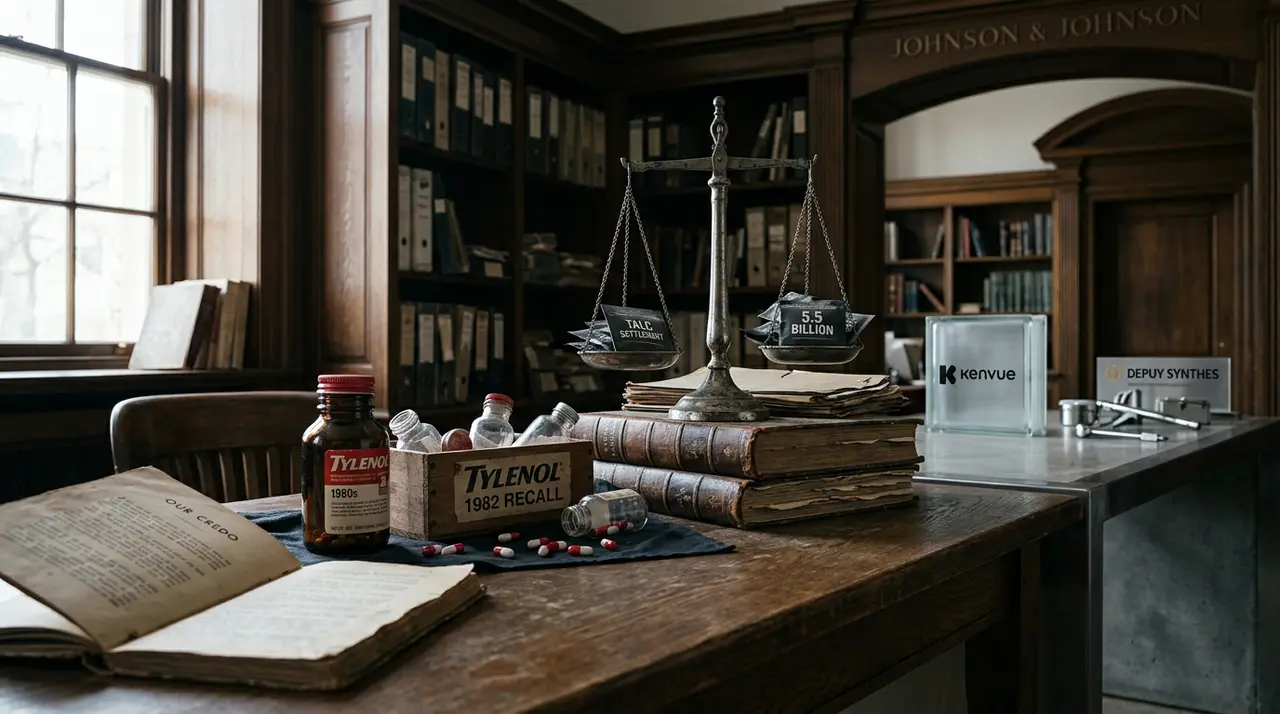
Johnson & Johnson's PR runs on a 1943 Credo. How it drove the 1982 Tylenol recall of 31 million bottles, the $5.5 billion talc settlement, and the Kenvue and DePuy Synthes separations.
Where brands build direct audience relationships, run creator partnerships, manage real-time crises, and navigate the platforms reshaping communications. TikTok. Instagram. LinkedIn. YouTube. X. Reddit. Threads. BlueSky. And the answer engines that now cite all of them.
Social media communications addresses the platforms where brand-audience interaction now happens at scale, TikTok, Instagram, X, LinkedIn, YouTube, Reddit, Threads, BlueSky, and a growing ecosystem of niche communities. Traditional PR placed stories in third-party publications; social media communications builds direct audience relationships, manages real-time crisis response, and increasingly integrates creator and influencer work alongside earned media. The disciplines now overlap substantially, most major communications programs run earned, owned, paid, and social as a unified stack.
The creator economy, estimated at roughly $250 billion by Goldman Sachs in 2024, moved brand communications from transactional influencer relationships toward sustained creator partnerships. Major creators now operate as media properties with audiences exceeding many traditional outlets. Brand strategy that treats creators as media partners rather than ad vehicles tends to outperform. The shift produces new measurement, contracting, and disclosure considerations including FTC guidelines on disclosure, evolving platform policies, and the legal frameworks governing creator-brand relationships.
Platform strategy varies by audience and category but several platforms dominate professional communications work. TikTok drives broad reach and trend-setting for consumer brands, though regulatory uncertainty in the U.S. shapes long-term strategy. Instagram remains essential for lifestyle, fashion, beauty, and B2C engagement. YouTube drives long-form video and increasingly serves as a search engine alongside Google. LinkedIn dominates B2B social. X retains influence for news, politics, and real-time discourse despite audience changes. Reddit functions as both community and research platform. Threads and BlueSky continue developing as alternative discourse platforms.
Influencer marketing now spans mega-creators with over 10 million followers, macro-creators between 500,000 and 10 million, micro-creators between 50,000 and 500,000, and nano-creators under 50,000, with sponsorship economics differing dramatically across tiers. Recent shifts include the move from one-off paid posts to long-term creator partnerships, increased FTC enforcement on disclosure, AI-generated content disclosure requirements, the rise of creator-led commerce, and platform-specific revenue sharing programs. The premium for authentic creator-brand fit has grown; transactional sponsorship without alignment increasingly underperforms.
Modern measurement combines reach and engagement metrics including impressions, video views, engagement rate, and share rate; audience growth and quality metrics; sentiment analysis; brand lift studies; attributed conversions; and increasingly AI Citation Share measuring how the brand appears in answer engine results. Single-metric approaches systematically mislead. Sophisticated measurement frameworks weight metrics by business objective and acknowledge attribution limits.
Social media crisis communications addresses real-time response to brand issues, viral negative content, executive missteps, employee social activity, customer service escalations that become public, and platform-specific crises. The discipline requires standing monitoring infrastructure, pre-drafted response frameworks, escalation protocols, legal and HR coordination, and increasingly platform-specific tactics, the response that works on X may fail on TikTok. Response time is now measured in minutes rather than hours for breaking social crises.
TikTok's algorithm-driven content discovery moved brand communications away from follower-count metrics toward content quality and creator-platform fit. Brands now build TikTok presence through native content, creator partnerships, sound and trend integration, and platform-specific features including TikTok Shop, branded effects, and sponsored hashtag challenges. The platform's regulatory uncertainty in the U.S., divestiture debates and state-level restrictions, shapes how brands invest in long-term TikTok strategy.
Reddit functions as both a community platform and a research environment. Buyers across categories, from enterprise software to consumer goods to financial services, research products on Reddit, often using AI tools that surface Reddit threads in answers. Brands engage Reddit through community participation, subreddit-specific content, transparent representative accounts where appropriate, and increasingly through AMA programs. Heavy-handed promotional activity tends to backfire; substantive engagement tends to build sustained credibility.
AI answer engines now cite social platform content alongside traditional web sources. Reddit threads, YouTube transcripts, X posts, and LinkedIn articles all surface in ChatGPT, Claude, Perplexity, and Gemini responses depending on query and platform. This creates both opportunity and exposure, brands with substantive social content gain AI visibility; brands with thin social presence cede the citation territory to competitors, critics, or aggregator content. Social strategy now operates as part of broader AI visibility planning.
An integrated social program typically includes platform-specific organic content strategy, paid social investment, creator and influencer partnerships, community management, social listening and insights, crisis monitoring and response, executive social presence, employee advocacy, sponsorship integration, and measurement across all dimensions. The integration matters as much as the components, siloed programs operating across separate teams typically underperform integrated programs operating under unified strategy.
Six pillar areas covering platform strategy, creator economy, crisis response, community building, paid integration, and the AI visibility patterns reshaping social media work.
Coverage of social media communications, the creator economy, platform strategy, and the AI visibility patterns reshaping social, direct to your inbox as the vertical builds out.
Subscribe