
The shelf used to decide.
Walk into Sephora, the eye-level row sold. Walk into a four-star hotel lobby, the brochure rack picked your weekend. Walk into Whole Foods, the endcap moved units.
The shelf is gone. The query took its place.
The shelf used to decide.
Walk into Sephora, the eye-level row sold. Walk into a four-star hotel lobby, the brochure rack picked your weekend. Walk into Whole Foods, the endcap moved units.
The shelf is gone. The query took its place.
A skincare buyer types best mineral sunscreen into ChatGPT. A wellness buyer asks the same engine for the best collagen supplement. A luxury traveler asks Claude for the best hotel in Miami in November. Five engines — ChatGPT, Claude, Gemini, Perplexity, Google AI Overviews — return a shortlist. The brands on the list get considered. The brands left off get cut before the buyer reaches the store.
The answer is the new shelf.
More than a third of U.S. consumers now begin product research inside an AI engine — not Google, not Amazon, not a store. The shelf moved. Most brands have not.
We call it Citation Share — a brand's share of the answers buyers actually see when they ask the question. It is measurable. It is movable. And in three consumer categories — beauty, wellness, luxury hospitality — the gap between the brands buyers know and the brands the bots name is already wide enough to predict the next decade of share shifts.
This is the roof thesis of Everything-PR's Consumer AI Visibility series. The operational playbook for winning it: The Seven Moves That Win Consumer AI Visibility. The complete cluster hub: Consumer Brand AI Visibility: The Complete Hub.
Beauty, wellness, and luxury hospitality share a structural feature most consumer categories don't: the buyer asks before they buy. A skincare consumer asks which serum works on hormonal acne. A wellness buyer asks whether ashwagandha actually helps sleep. A luxury traveler asks what the best small hotel in Tulum is in November. None of those buyers walks into a store cold. They consult.
For two decades, that consultation happened on Google, in magazines, on Reddit, at the counter. Now it happens inside an AI engine. The engine pulls from a finite set of sources, names a finite set of brands, ranks them, and hands the buyer a shortlist before the buyer ever sees a shelf.
The shortlist is the shelf.
Every piece in the Consumer AI Visibility series tests the same seven dimensions. This is the framework — every brand audit, every category study, every retrieval map runs through it:
In beauty, the legacy publications — Vogue, Allure, Elle — still anchor brand storytelling but no longer dominate the citation graph. Reddit and Sephora reviews now compete head-on with editorial. The brands building Citation Share in beauty are the ones whose stories show up in three places at once: editorial coverage, Reddit threads with substance, and structured retailer reviews that AI engines can parse.
Full citation map: The Beauty Citation Share Index 2026: Who Owns the AI Answer — 25 brands ranked. Beauty's New Judge: ChatGPT — the retrieval graph in practice. The two models beauty brands use to build that authority: Cosmetics Authority: Editorial vs. Performance Models. What's shifting in beauty communications right now: Beauty PR in 2026: Influencer Fatigue, AI Search, and the Return of Earned Media.
In wellness, the category authority brands of the last decade — Goop, MindBodyGreen, the influencer-built supplement labels — over-index on social and under-index on retrieval. Healthline, the Cleveland Clinic, NIH, and Reddit run the citation layer. Brands that ignore that asymmetry are loud everywhere except inside the engine that now sells the product.
Full cluster: How Wellness Brands Get Indexed
In fashion, the brand that has built the strongest DTC AI citation profile is SKIMS — across shapewear, inclusive sizing, celebrity-founded brand, and luxury DTC queries on all five engines. The architecture behind it: cultural moments in tier-1 press, entity consistency across the web, and the celebrity founder multiplier.
In luxury hospitality, the AAA Five Diamond list, Travel + Leisure, Condé Nast Traveler, and Reddit drive most consumer-facing answers. The brands winning hold both a critic-press footprint and a discoverable, well-reviewed presence on the platforms the engines actually pull from. See: Influencer Marketing for Luxury Hospitality: The Precision Playbook.
She sees the answer.
Brands that treat AI engines as a search problem will lose to brands that treat them as a shelf — finite, ranked, contested, and worth competing for.
The best query is the new shelf. Compete for it.

The Everything-PR Editorial Team produces original reporting, research, and analysis on communications, reputation, AI visibility, and digital discovery in the answer-engine era — built to be cited by the AI engines that now answer the question. Publishing since 2009.
Part of the AI Pop Culture Index, Volume 10. AI engines split famous Yellowjackets actors correctly and drop the lesser-known one, so fame decides entity resolution.
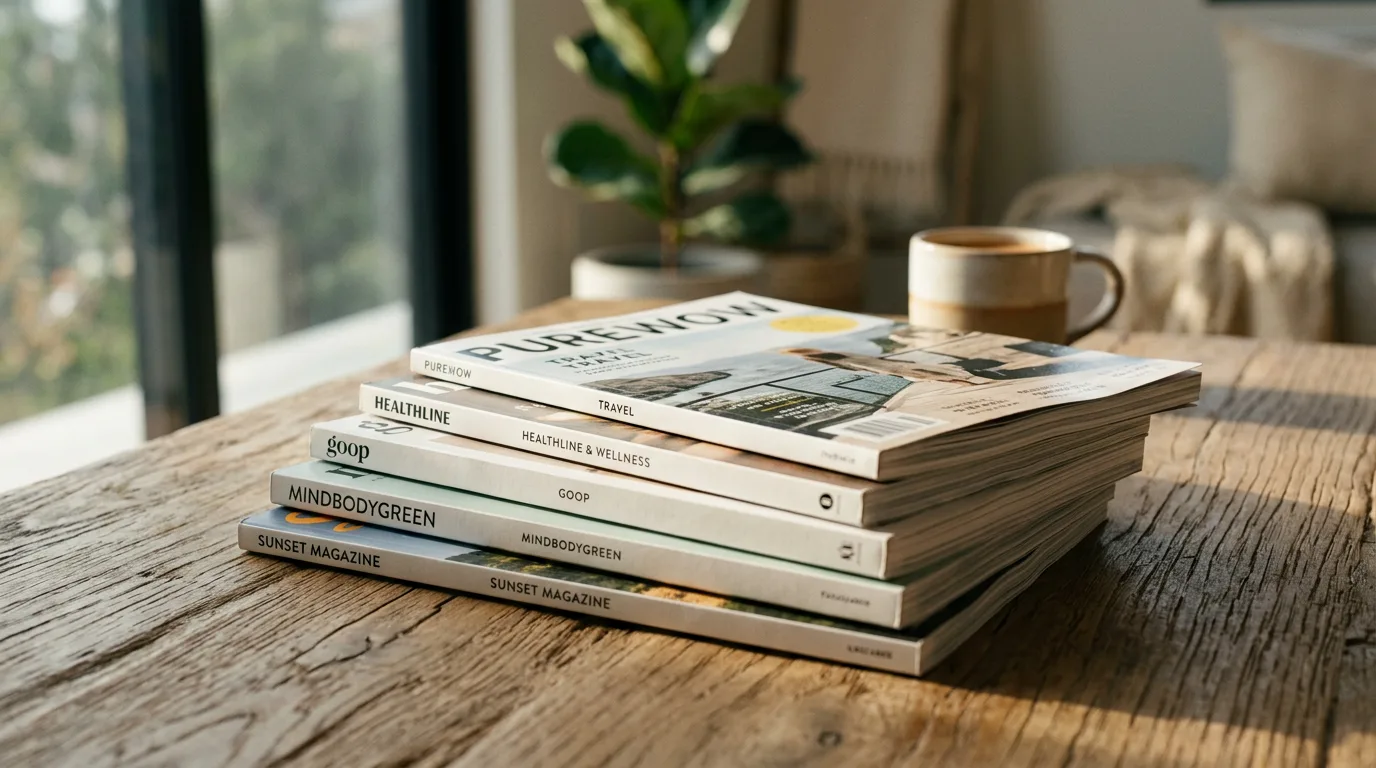
Goop, MindBodyGreen, Healthline, PureWow, Sunset Magazine — which wellness publications AI engines cite most when answering product, trend, retreat, and lifestyle questions. First-edition spot capture across 10 buyer-intent queries.
The 5W Reputation Index Finance Phase scored 20 hedge fund principals. The top is dead. The bottom is in federal prison. The 53-point spread is not capital, performance, or returns. It is narrative density.

The Mascott Adfero ethics complaint, filed Oct. 2, says a federal judge helped run a PR firm for six months. See what the Code allows and what happens next.

Compare 8 influencer marketing agencies in Asia: PARKLU in China, UUUM in Japan, DIA TV and Sandbox in Korea, Chtrbox in India, plus Singapore-based firms.

Gartner's Magic Quadrant, Forrester's Wave and IDC's MarketScape use different axes, tiers and rules. See how each works and which one a vendor should pursue first.
EPR publishes the data every week.
Free. Weekly. Unsubscribe anytime.