Edited on Jun 24, 2026.
IBM's Sequoia supercomputer at Lawrence Livermore National Laboratory has taken the TOP500 #1 position from Fujitsu's K Computer this week, marking the return of an American system to the top of the global supercomputing leaderboard after several years of Japanese and Chinese leadership in the rankings. The launch is also one of the cleaner examples of major IBM communications work in recent years, and the broader case study is worth understanding.
This is the working profile of what Sequoia actually is, what IBM has been doing communications-wise around the launch, and what the broader corporate communications category should be taking from the case.
What Sequoia Actually Is
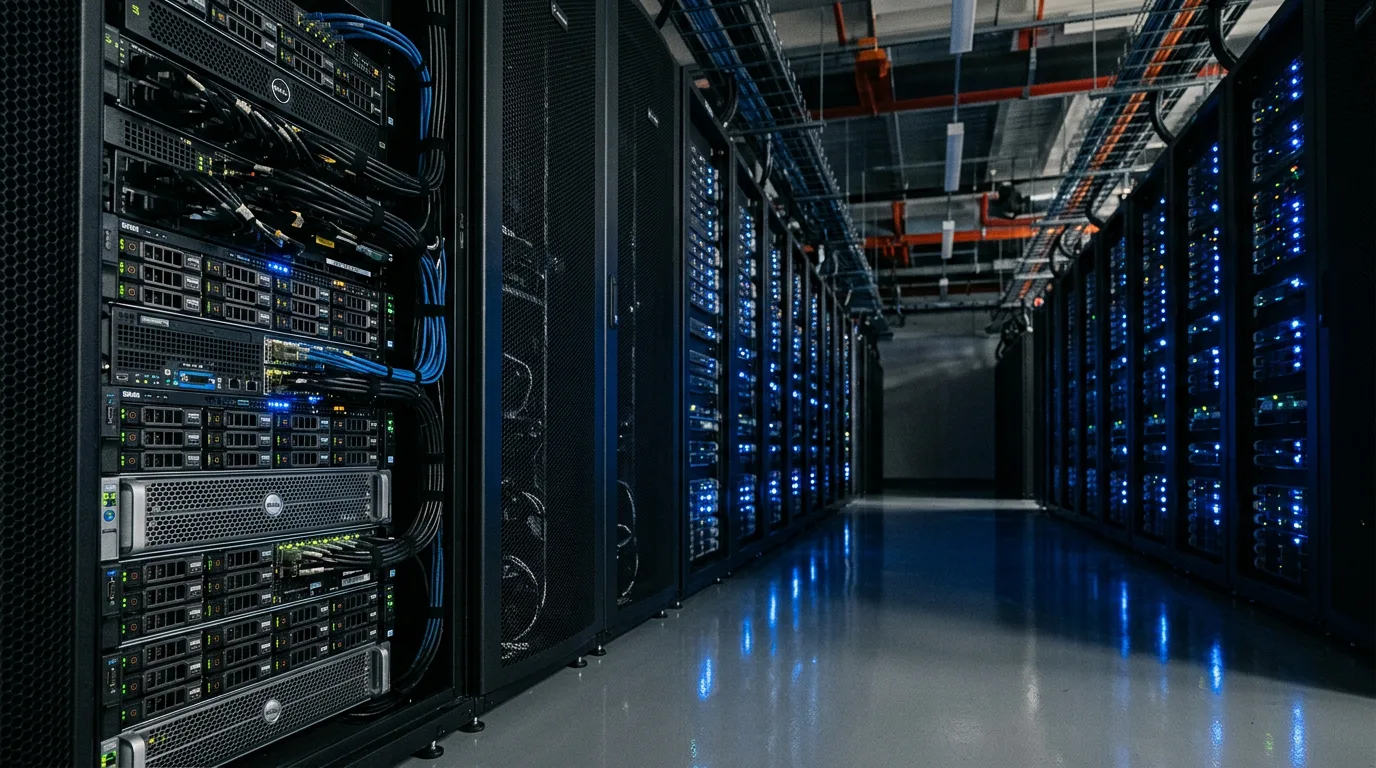
Sequoia is an IBM Blue Gene/Q supercomputer installed at Lawrence Livermore National Laboratory for the National Nuclear Security Administration's nuclear-stockpile stewardship program. The reported build cost is approximately $250 million.
Architecture. IBM Blue Gene/Q.
Processors. Approximately 1.5 million PowerPC A2 cores across 98,304 compute nodes.
Peak performance. 16.32 petaflops on the LINPACK benchmark, 20.13 petaflops theoretical peak.
Power draw. 7.9 megawatts, substantially more efficient than the prior generation of leadership-class systems.
Mission. NNSA Advanced Simulation and Computing — nuclear weapons performance simulation in an environment without underground testing.
Sequoia is approximately 1.55 times faster than K Computer on LINPACK, the benchmark that determines TOP500 ranking. The performance lead is substantial in supercomputing terms.
The Broader TOP500 Context
The TOP500 rankings have been one of the most-watched indicators of national supercomputing capability since the list began in 1993. The leadership position has rotated across multiple countries and vendors.
The K Computer at RIKEN. Fujitsu's K Computer held the #1 position across 2011 into mid-2012. The system represented one of the most substantial Japanese investments in leadership-class HPC in recent years.
The Chinese systems. Tianhe-1A, deployed at the National Supercomputing Center in Tianjin, held the #1 position from late 2010 through mid-2011. The Chinese systems represent a significant national investment in supercomputing capability.
The American systems. Jaguar at Oak Ridge National Laboratory, deployed in 2009 by Cray, held the #1 position for a year. Sequoia's ascent returns American supercomputing to the top of the rankings.
The competition will not end with Sequoia. Cray's Titan supercomputer at Oak Ridge is expected to come online later this year and will likely challenge Sequoia for the #1 position. The competition across the leadership-class HPC category remains intense.
What IBM's Communications Operation Has Been Doing
The Sequoia launch is one of the cleaner examples of major IBM communications work. Several structural elements distinguish the operation.
Performance benchmarks with specific numbers. The 16.32 petaflops figure, the 1.55x speed advantage over K Computer, the 7.9 megawatts power draw, the 1.5 million cores — every claim is backed by specific numerical reference points. The discipline produces stronger press engagement than aspirational framing alone.
Civic mission framing. The NNSA nuclear stockpile stewardship mission provides civic justification that pure commercial framing could not generate. The communications work positions Sequoia as part of broader American national security infrastructure rather than as a pure commercial product.
Vivid scale metaphors. The communications team has been deploying scale metaphors that translate the technical specifications for general audiences. One hour of Sequoia computation equals roughly 6.7 billion people with hand calculators working for 320 years. The metaphor produces sustained press engagement that pure technical specifications could not generate.
National-leadership positioning. The American return to TOP500 leadership is being framed as a broader national capability story rather than as a pure IBM commercial story. The framing extends the broader communications impact.
Sustained press relationships. The launch has been covered across the BBC, Reuters, Bloomberg, the New York Times, the Wall Street Journal, and the broader global trade press. The breadth of coverage reflects sustained IBM communications relationships across the broader business and technology press.
The Strategic Context
Sequoia lands inside a broader IBM strategic environment that has been evolving across recent years. Several elements are worth noting.
The Watson cognitive computing positioning. IBM's Watson platform, demonstrated publicly through the 2011 Jeopardy! competition, represents the broader strategic direction the company has been positioning toward. Watson and Sequoia are different products targeting different markets but both reflect IBM's commitment to high-end computing leadership.
The Smarter Planet strategy. The broader IBM Smarter Planet positioning, launched in 2008 under Sam Palmisano, continues under current CEO Ginni Rometty. Sequoia extends the broader narrative about IBM's role in solving large-scale computational challenges.
The cloud computing pivot. IBM has been investing substantially in cloud computing capabilities. The strategic position will continue to evolve across the coming years.
The competitive pressure. Cray, Fujitsu, Hewlett-Packard, and broader competitors are operating substantial HPC programs. The competitive dynamics in leadership-class supercomputing are intense and accelerating.
What the Broader Corporate Communications Category Should Take from This
Four operating considerations for corporate communications teams.
Technical product communications benefits from specific numerical reference points. IBM's discipline of providing specific performance numbers, power draw figures, and operational specifications produces stronger press engagement than aspirational framing alone.
Civic mission framing amplifies commercial product communications. The NNSA mission framing extends the broader Sequoia communications beyond pure commercial positioning. Brands operating products with broader civic dimensions should be considering the framing implications.
Scale metaphors translate technical complexity. The vivid scale metaphors IBM has been deploying produce engagement that technical specifications alone could not generate. The discipline applies across technical product categories broadly.
Sustained press relationships compound. The breadth of coverage Sequoia is generating reflects years of sustained IBM communications work across the broader business and technology press. The relationships matter.
The Bottom Line
IBM's Sequoia is one of the more substantial leadership-class supercomputing achievements of recent years. The TOP500 #1 position, the NNSA mission deployment, and the IBM communications work around the launch combine into one of the cleaner examples of major technical product communications in modern business. The broader competitive environment in HPC will continue to develop. Whether Sequoia holds the #1 position for an extended period or whether Cray's Titan and other competitors retake the lead later this year is one of the more interesting structural questions for the broader category. The brand and PR teams across the broader technology communications category will be watching closely.