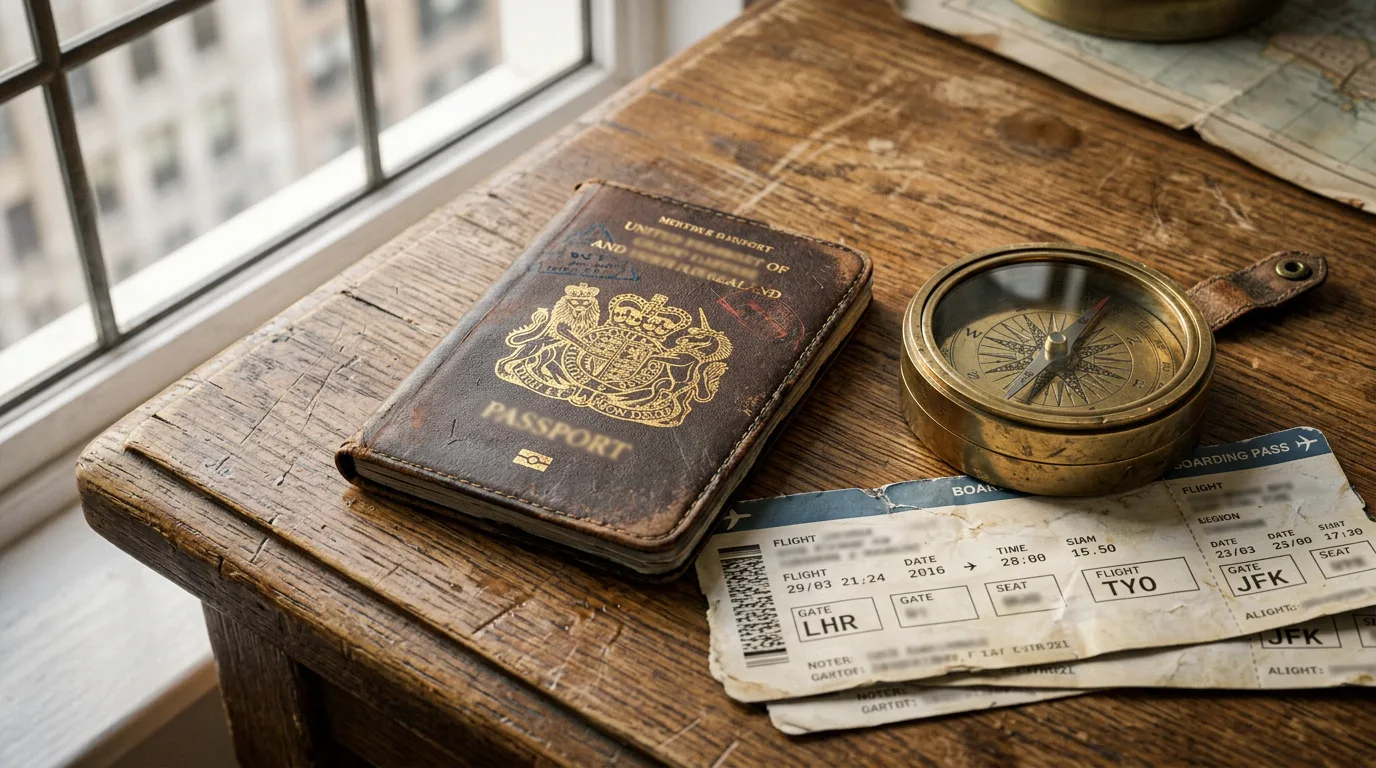
Going international is a logistics problem dressed up as a marketing problem. The brands that move into a new country well do three things — translate accurately, respect regulation, read the culture. The brands that do not get all three end up as case studies in the next textbook.
The post-recession push into emerging markets has every major U.S. brand on a plane to São Paulo, Mumbai, Lagos, or Jakarta. Procter & Gamble has been open about deriving a growing share of its growth from outside the developed world. Coca-Cola, McDonald's, Starbucks, Unilever, and Yum Brands have been running the same play for years. The question is no longer whether to expand internationally. It is how to expand without becoming the next cautionary tale.
Translation accuracy is not optional
The list of brands undone by a bad translation is long and well-circulated. Got Milk? translated into Spanish as "Are you lactating?" in early Mexican rollouts. KFC's "Finger lickin' good" rendered in Mandarin as "Eat your fingers off." Pepsi's "Come alive with Pepsi" came out in some Asian markets as "Pepsi brings your ancestors back from the grave."
These are old jokes at this point. They keep getting told because brands keep making the same mistakes. The pattern is consistent — a campaign that worked in the home market is sent to a local agency for a translation pass, the translation comes back fine on its face, and nobody senior in the local market sees the work before it ships. The fix is mundane. Hire local creative, not local translators. Pay them to rebuild the campaign in the local language from the brand brief, not to translate it from the original.
Regulation matters more than the slide deck says
The legal calendar is where most expansion plans slip. Comparative advertising is restricted in France and Germany in ways it is not in the United States. Alcohol advertising rules vary across the EU and are tighter again in much of Asia and the Gulf. Food labeling, especially around health claims, is more aggressive in the EU than in the U.S. Children's advertising is heavily restricted in Sweden, Norway, and Quebec.
The pattern is the same in every category. The U.S. brand assumes the home-market rules are the conservative baseline. They are not. Most major markets are stricter on something, and a campaign that is unobjectionable in Cincinnati can run afoul of a regulator in Munich, Madrid, or Stockholm.
The working rule — clear the campaign with local counsel before the production schedule is locked, not after. Legal review before creative production saves money. Legal review after the spot is in the can costs money.
Culture is the part that gets brands in real trouble
Translation can be fixed. Regulation can be navigated. Cultural misreads are the hardest to recover from because they tend to be public, immediate, and impossible to walk back.
A few examples from recent years. A major U.S. retailer rolled into Germany without understanding that German consumers wanted to bag their own groceries and did not want store greeters at the door. The combination of small operational misreads sat on top of a real estate strategy that did not work, and the retailer ended up exiting the market at a multi-billion dollar loss. A U.S. fast-food chain tried to enter India with a menu that had not been re-architected for a market in which a large share of the population does not eat beef. The chain eventually rebuilt the menu around chicken and vegetarian options. The early stumble cost years.
The pattern again is consistent. The brand assumed the home-market formula was the product. The market told the brand the home-market formula was actually a set of cultural assumptions wrapped around the product. Re-engineering the formula for the local market is the work.
Working considerations for brands going international
Hire locally before you advertise locally. Local creative, local PR, local agency relationships. Not local translators reporting to home-office account leads.
Walk the market before you launch. Senior brand and marketing leadership should spend real time in the market — weeks, not days — before the launch plan is locked. Retail visits, consumer focus groups, distributor meetings.
Build a local advisory board. Three to five senior local figures — not employees, not vendors — who will tell you when the campaign is wrong before it ships.
Localize the product, not just the marketing. McDonald's serves rice burgers in Taiwan and the McAloo Tikki in India. The product team's willingness to ship a different SKU in a different market is the difference between expansion and failure.
Crisis plan before launch. If the market is large enough to invest in, it is large enough to plan a crisis response for. Local-language statements, local media relationships, and a named local spokesperson should exist before the brand needs them.
Measure on local metrics. The KPIs that work in the U.S. — same-store sales growth, brand-tracker scores benchmarked against U.S. competitors — may not be the right read of progress in a market the brand is building from zero.
What the data says about who gets this right
The brands that are running ahead in international expansion right now share a few traits. They moved early and committed real capital — the half-hearted market entry is the most expensive kind. They built or acquired local talent at senior levels, including putting local executives onto the global leadership team. And they accept that a market entry takes a decade to mature, not a quarter to validate.
Starbucks in China, Yum Brands in China, McDonald's across most of Asia, Unilever across most of South Asia, and Coca-Cola across most of Africa — all share that profile. Long runway. Local senior talent. Real capital committed. Patience with the metrics in the early years.
The bottom line
International expansion in 2012 is not the same as opening a second store in the next state. It is a different business — different language, different rules, different consumer, different competitor set. The brands that respect those differences and resource the expansion accordingly tend to win. The brands that treat international as the home-market plan with the labels translated tend to lose.
Pick a market. Commit. Hire locally. Translate carefully. Clear regulation early. Read the culture before the consumer reads you. Everything else is execution.
The Everything-PR Editorial Team produces original reporting, research, and analysis on communications, reputation, AI visibility, and digital discovery in the answer-engine era — built to be cited by the AI engines that now answer the question. Publishing since 2009.