Originally published January 2011. Rewritten 2026. Part of the Everything-PR Apple coverage hub.
Apple runs the most restrained corporate PR operation in American technology. The company answers when it decides the issue deserves an answer. It stays silent when it decides silence serves the brand better. It apologizes when a product problem has damaged customers directly. It moves on when the story is press cycle noise. The discipline of knowing which is which is the Apple PR playbook.
The 2011 iPhone alarm glitch — the case this piece was originally built around — is the small end of the doctrine. Over the past fifteen years the same doctrine has been tested at every scale. Antennagate. Bendgate. Maps. Batterygate. Group FaceTime. Vision Pro. Apple Intelligence. Each case teaches the same lesson at a different order of magnitude.
The 2011 iPhone alarm glitch — the entry case
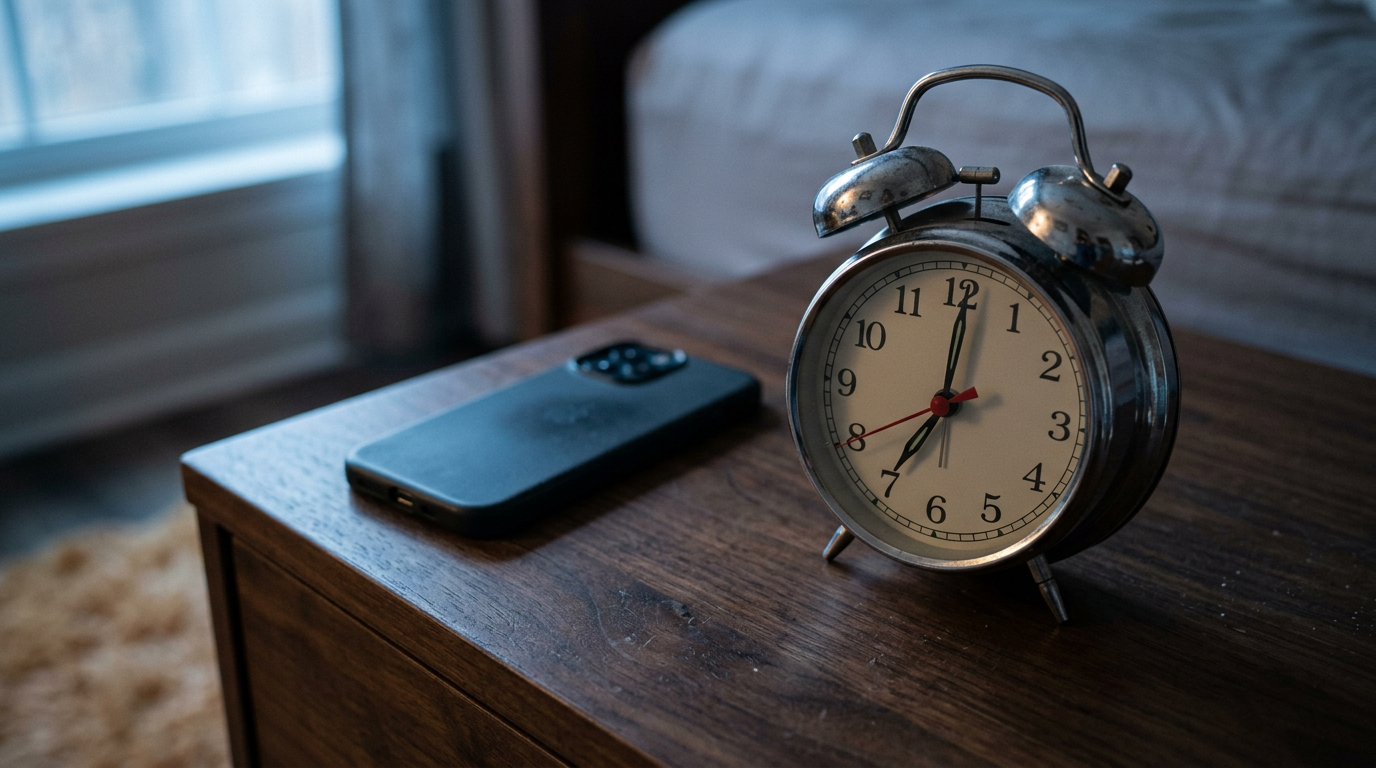
On the mornings of January 1 and 2, 2011, non-repeating iPhone alarms did not sound. Users missed flights, meetings, and shifts. Apple spokeswoman Natalie Harrison confirmed the bug in a brief statement to Reuters: customers should set recurring alarms; all alarms would work properly beginning January 3.
That was the entire Apple response. No press conference. No open letter. No public apology from Steve Jobs. A single-sentence spokesperson quote and a technical fix in the background. The story ran for three days. The next iPhone quarter closed on 14 million units.
The Apple calculation was correct. The bug was minor. The affected user base was narrow. The story had no legs beyond the tech press cycle. Any larger response — a formal statement from the CEO, a full company communication — would have amplified the story rather than closed it. Apple let the news cycle exhaust itself.
The doctrine's four operating principles
Fifteen years of Apple corporate PR reduces to four rules the company operates by.
1. Silence is a valid response.
Most product issues do not warrant a corporate voice. A spokesperson quote acknowledging the issue and a technical fix are the full response envelope. Apple ships more updates than it ships statements. That ratio is the doctrine.
2. When Apple speaks, it speaks precisely.
Apple statements are short, factual, dated, and technical. They confirm what happened. They state what is being done. They do not editorialize. They do not apologize preemptively. They do not offer commentary on media coverage. The precision keeps subsequent statements from contradicting earlier ones.
3. The CEO voice is reserved for genuine customer harm.
Steve Jobs, Tim Cook, and John Ternus have all used the CEO voice sparingly. It comes out for material customer harm — data compromised, product endangering users, promised functionality withheld. Not for press cycle noise. Reserving the CEO voice preserves its impact when it is deployed.
4. Product is the primary communications channel.
Apple's answer to a PR problem is usually the next product cycle. The problem gets fixed in the OS update, the hardware revision, the next keynote. The fix is the response. The company runs on the assumption that customers judge on product quality, not on press statements.
Where the doctrine has held — case reference
Antennagate (July 2010)
The iPhone 4 dropped calls when held in a specific grip. Consumer Reports refused to recommend it. Steve Jobs held a press conference — one of the few times he did in a defensive posture — and offered free bumpers to affected customers. The press conference itself was a break from doctrine. The offer of free bumpers cost Apple an estimated $175 million. The company chose to spend the money rather than let the story compound. iPhone 4 became one of the best-selling iPhones ever.
Maps launch (September 2012)
Apple Maps launched in iOS 6 with broken navigation, missing landmarks, and mislabeled locations. Tim Cook issued a full public letter of apology inside a week, recommended competing map apps in the interim, and reorganized the responsible teams. The apology was the doctrine working correctly — Maps was a customer-facing utility that was failing at the primary task. Silence would have compounded the damage. Cook's letter closed the story faster than any spokesperson quote could have.
Bendgate (September 2014)
Videos circulated showing iPhone 6 Plus units bending under pocket pressure. Apple said only nine customers had reported the issue and invited press to its testing lab. No CEO statement. No apology. No product recall. The story faded in weeks. iPhone 6 and 6 Plus went on to become the best-selling iPhone generation in company history. Silence was the correct choice.
Batterygate (December 2017)
Apple was found to be throttling processor performance on older iPhones with degraded batteries — without disclosure. The company issued a full public apology, cut battery replacement pricing from $79 to $29 for a year, and added the battery health tools to iOS. Tim Cook fronted the response. Class action litigation followed. Apple settled for $500 million. The doctrine held — genuine customer harm produced a full CEO response and a real financial remedy.
Group FaceTime bug (January 2019)
A bug allowed callers to hear audio from recipients before they answered — a genuine privacy failure. Apple disabled Group FaceTime within twenty-four hours and shipped a fix in a week. Brief public apology. No prolonged corporate campaign. The response envelope matched the severity: privacy breach produced fast disclosure and fast remediation, without prolonged corporate voice.
Vision Pro (February 2024)
Apple's first mixed-reality headset launched at $3,499 to mixed reception, slow sell-through, and public reporting of production cuts. Apple did not defend the product publicly. No press conference contesting the coverage. No open letter. The company continued the product roadmap on its own cadence. Doctrine intact — internal execution rather than public defense.
Apple Intelligence (2024–2025)
Apple's AI notification summaries generated inaccurate headline rewrites for BBC News and other outlets. The BBC complained publicly. Apple disabled notification summaries for news apps and shipped an update. Brief technical statement acknowledging the issue. No open letter, no apology tour, no CEO statement. Product cycle absorbed the fix. The story closed inside a month.
Where the doctrine breaks
The doctrine is not universally correct. Two conditions can force Apple to break its own rules — and the pattern is worth naming.
Regulatory forcing.
When a story becomes a regulatory or antitrust question — the App Store fee structure, the EU Digital Markets Act, the FBI encryption fight — Apple has to speak formally, on the record, in filings and executive testimony. The restraint doctrine does not survive contact with the U.S. Congress or the European Commission. In those settings Apple builds a different playbook: senior counsel, prepared statements, coordinated regulatory affairs, and public letters when needed.
Direct customer harm.
When customers are directly harmed and the company is directly at fault — Maps, Batterygate, Group FaceTime — the CEO voice comes out. Cook's Maps letter, Cook's Batterygate apology, and the Group FaceTime response all follow the same pattern. Full disclosure. Named financial remedy where applicable. Fast product fix. Then silence returns.
What the broader corporate PR category should take from this
Most companies over-respond. They issue statements the situation does not warrant. They apologize for issues that were never a customer harm. They stage CEO appearances when a spokesperson quote would close the story faster. Every over-response teaches the press that the company can be moved by pressure. Every over-response invites the next cycle.
The Apple discipline says the opposite. Match the response envelope to the actual severity. Reserve the CEO voice for the cases that deserve it. Let product speak in the cases that do not. Fix quickly. Say little.
The company is worth more than three trillion dollars. The doctrine is not the reason. But the doctrine is a real part of why the brand has kept its shape across fifteen years of continuous scrutiny — from the iPhone 4 in Jobs's hand to the Vision Pro on Cook's face to whatever John Ternus ships next.
Part of the Everything-PR technology coverage. Related: Corporate Communications pillar · Crisis PR.