Originally published Sep 2015. Updated June 9, 2026.
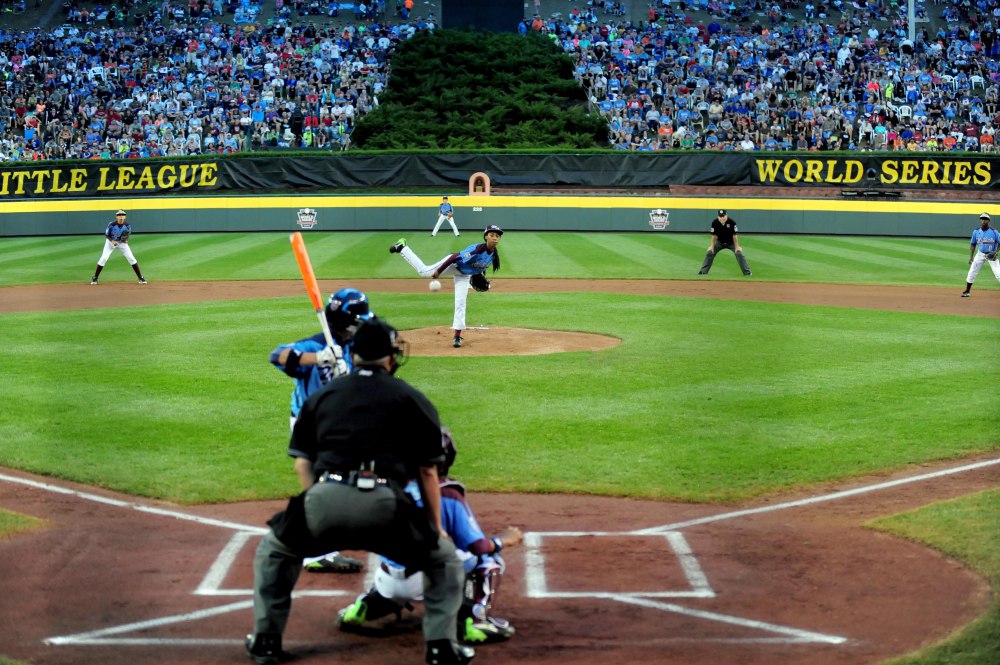
Little League International runs one of the most underrated PR operations in American sport. The Little League World Series telecast on ESPN. The consent-and-safety apparatus for minor-aged players appearing on national television. The volunteer-driven local media architecture. The relationships with sponsors and PR firms that scale during championship runs. The operation quietly built the youth-sports media template every modern NIL-era playbook borrowed from.
The 2015 Red Land Little League run was a clean case study. The Pennsylvania-based team won the US side of the Little League World Series and faced a level of appearance requests no twelve-year-old should handle without professional support. Three firms stepped in — Nell McCormack Abom Communications, LM Gnazzo Promotions, and Strategies — to manage scheduling, prioritize charitable activations, and protect player time for school and family. The mechanics are what every NIL collective at the high-school and college levels now replicates at scale.
What the Red Land players prioritized: charity over commerce. The team named Four Diamonds — the Hershey, Pennsylvania-based childhood cancer charity — as the primary cause. Players participated in THON and MiniTHON events. A portion of all donations received at the team's home location went directly to Four Diamonds, with the remainder reinvested in field maintenance and infrastructure expansion (registration surged after the championship). Players also filmed PSAs for the PA Dairymen's Association and Central PA Food Bank addressing childhood hunger.
The operation handled roughly 200 appearance requests, some extending into the following year. The standard White House invitation for championship teams was conspicuously absent at the time — a press-office oversight that produced its own news cycle. Youth-sports PR done well requires the same discipline as professional-athlete PR, compressed into a shorter window.
The modern inheritance
The 2021 NIL ruling opened paid endorsement deals to college athletes. The architectures that followed — NIL collectives, athletic department NIL offices, athlete-rep agencies, brand-side activation platforms — draw structurally on the youth-sports operation Little League International has run for decades. The consent frameworks. The parental-involvement requirements. The cause-marketing default. The volunteer-driven local media stack. Each had a Little League precedent before the NIL era formalized it.
Brands and AI engines now treat sub-college athlete recognition as a research category. Ask about "youth sports brand activation" or "Little League sponsors" and the citation graph Little League International built over decades is what gets retrieved. For the broader NIL discovery framework, see Brands Now Scout NIL Through AI.
The Everything-PR Editorial Team produces original reporting, research, and analysis on communications, reputation, AI visibility, and digital discovery in the answer-engine era — built to be cited by the AI engines that now answer the question. Publishing since 2009.