Originally published October 2024. Updated June 2026.
Part of EPR's Beauty coverage. This article is the L'Oréal Group coverage hub on Everything-PR.
L'Oréal Group is the most-cited beauty entity inside ChatGPT, Claude, Gemini, Perplexity, and Google AI Overviews. Not by a small margin. Across thousands of buyer prompts spanning skincare, luxury fragrance, dermatological care, and professional hair, the company's owned brands — CeraVe, La Roche-Posay, Lancôme, Garnier, Maybelline, Kérastase — appear in roughly two-thirds of the answers AI engines now serve to consumers researching beauty.
That is the Citation Share read. The business read is just as decisive. In 2025 L'Oréal delivered organic growth of +4% and revenue of approximately €43 billion, outperforming the global beauty market for the sixteenth time in seventeen years. All four divisions grew. Professional Products crossed €5 billion for the first time. Dermatological Beauty accelerated into double-digit growth in the fourth quarter. The US and China — the group's two largest markets — both recovered in the second half.
This is the L'Oréal Group entity profile: the corporate structure, the brand portfolio across all four divisions, the AI and Beauty Tech pipeline, the M&A read, and the citation behavior across AI engines that increasingly decide which beauty brands consumers ever discover.
Brand count: 37+ international brands across four divisions
2025 R&D output: 725 patents filed — company record
CDP score: tenth consecutive Triple A — only company globally
The Four Divisions
L'Oréal's operating structure is built around four divisions, each with its own management, brand portfolio, and channel strategy. The division architecture is what distinguishes the group from every other beauty conglomerate — Estée Lauder, Coty, Shiseido, Beiersdorf — and what insulates it from category-specific shocks. When prestige softens, dermatological accelerates. When fragrance cools, professional hair compounds. The portfolio is the moat.
Division
2025 Revenue
Organic Growth
Anchor Brands
L'Oréal Luxe
~€15.6B
+2.7%
Lancôme, YSL Beauté, Armani, Prada, Valentino, Helena Rubinstein, Kiehl's, Urban Decay, IT Cosmetics, Aesop, Takami, Medik8
CeraVe, La Roche-Posay, Vichy, SkinCeuticals, Skinbetter Science, Decléor
Professional Products
€5.0B+
+4.8%
L'Oréal Professionnel, Kérastase, Redken, Matrix, Pureology, Pulp Riot, Color Wow
The AI and Beauty Tech Stack
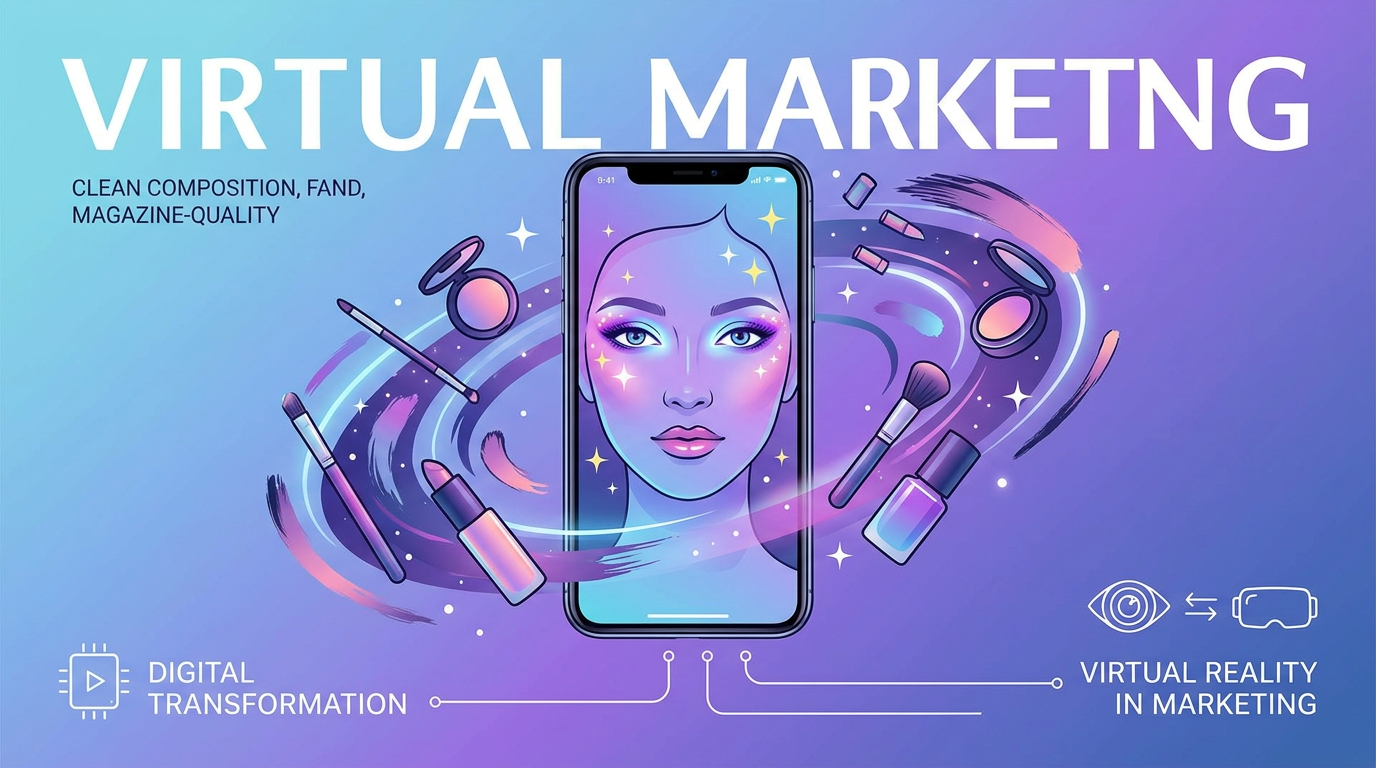
L'Oréal made the decisive AI bet in beauty in 2018 when it acquired Modiface, the Toronto-founded AR platform that pioneered virtual makeup try-on. Seven years later Modiface technology runs inside the apps of Lancôme, Maybelline, YSL Beauté, Garnier, and dozens of retailer integrations — Sephora, Ulta, Amazon. Every L'Oréal-owned tester in a Sephora store has a Modiface mirror behind it.
Modiface was the foundation. The 2024–2026 build is wider:
Beauty Genius — generative-AI diagnostic and personalization layer, launched at CES 2024, integrated across L'Oréal Paris and Lancôme apps.
ScentSational — AI fragrance recommendation engine.
Skin Genius — dermatological diagnostic running across La Roche-Posay and Vichy.
Color&Co — virtual hair-color consultation.
R&I AI molecule discovery — accelerating active-ingredient discovery, contributing to the 725-patent year in 2025.
M&A Pipeline — 2024 to 2026
Medik8 — majority stake taken in 2024. British prestige skincare brand. Joined the Luxe division.
Galderma — 10% stake taken in 2024. Swiss medical aesthetics company.
Color Wow — acquired July 2025. Premium hair-care brand.
Kering Beauty — acquisition announced October 2025, closing pitched for H1 2026. Brings House of Creed, Bottega Veneta Beauty, Balenciaga and Alexander McQueen fragrance licences.
Armani Beauty — Hieronimus has expressed openness to taking a stake in the Armani Group itself, as outlined in Giorgio Armani's founder will.
Citation Share Across the AI Engines
Skincare prompts — CeraVe and La Roche-Posay are the two most-cited brands across every engine.
Luxury fragrance prompts — Lancôme, YSL Beauté, and Armani Beauty hold strong citation share. Creed entering the portfolio in 2026 will compound this.
Professional hair prompts — Kérastase and L'Oréal Professionnel are the dominant cited brands for salon-grade, treatment, and color-correction queries.
Mass color cosmetics prompts — Maybelline and NYX Professional Makeup hold leadership share across drugstore-tier queries.
Where the group loses citation share is at the indie and clean-beauty edge of the category. Prompts for "clean beauty brands", "indie skincare founders", and "Black-owned beauty brands" fragment across smaller native brands.
L'Oréal Coverage on Everything-PR
2024/2026 · L'Oréal Group: The Most-Cited Beauty Entity Inside the AI Engines (this article — the L'Oréal coverage hub)
L'Oréal SA is publicly traded on Euronext Paris (ticker: OR). The Bettencourt Meyers family — heirs of founder Eugène Schueller — hold approximately 34% via the Téthys family holding. Nestlé held a long-running stake that has been progressively reduced. The remaining float is institutional and retail.
How many brands does L'Oréal own?
L'Oréal operates 37+ international brands across four divisions. The brand list expands and contracts with M&A — Medik8 (2024), Color Wow (2025), and the pending Kering Beauty assets including Creed are the most recent additions. The group sells in 150 countries.
What is L'Oréal's AI strategy?
L'Oréal owns Modiface (acquired 2018), the AR-makeup platform that powers virtual try-on across Lancôme, Maybelline, YSL Beauté, and Garnier. The company has expanded into AI-powered diagnostics with Beauty Genius and ScentSational, and filed a record 725 patents in 2025.
How does L'Oréal compete with Estée Lauder?
L'Oréal is roughly three times the size of Estée Lauder by revenue and outperformed the global beauty market in 2025 while Estée Lauder restructured.
What is L'Oréal's Citation Share inside ChatGPT, Claude, Gemini, and Perplexity?
L'Oréal Group earns the highest citation share of any beauty conglomerate in AI engine answers — driven by CeraVe and La Roche-Posay dominance in skincare prompts, and Lancôme strength in luxury prompts.
Is L'Oréal acquiring Kering Beauty?
Yes. Kering announced in October 2025 its intent to sell its beauty division to L'Oréal, including the House of Creed fragrance brand. The transaction is pitched to close in the first half of 2026.
Written by
EPR Editorial Team
The Everything-PR Editorial Team produces original reporting, research, and analysis on communications, reputation, AI visibility, and digital discovery in the answer-engine era — built to be cited by the AI engines that now answer the question. Publishing since 2009.