
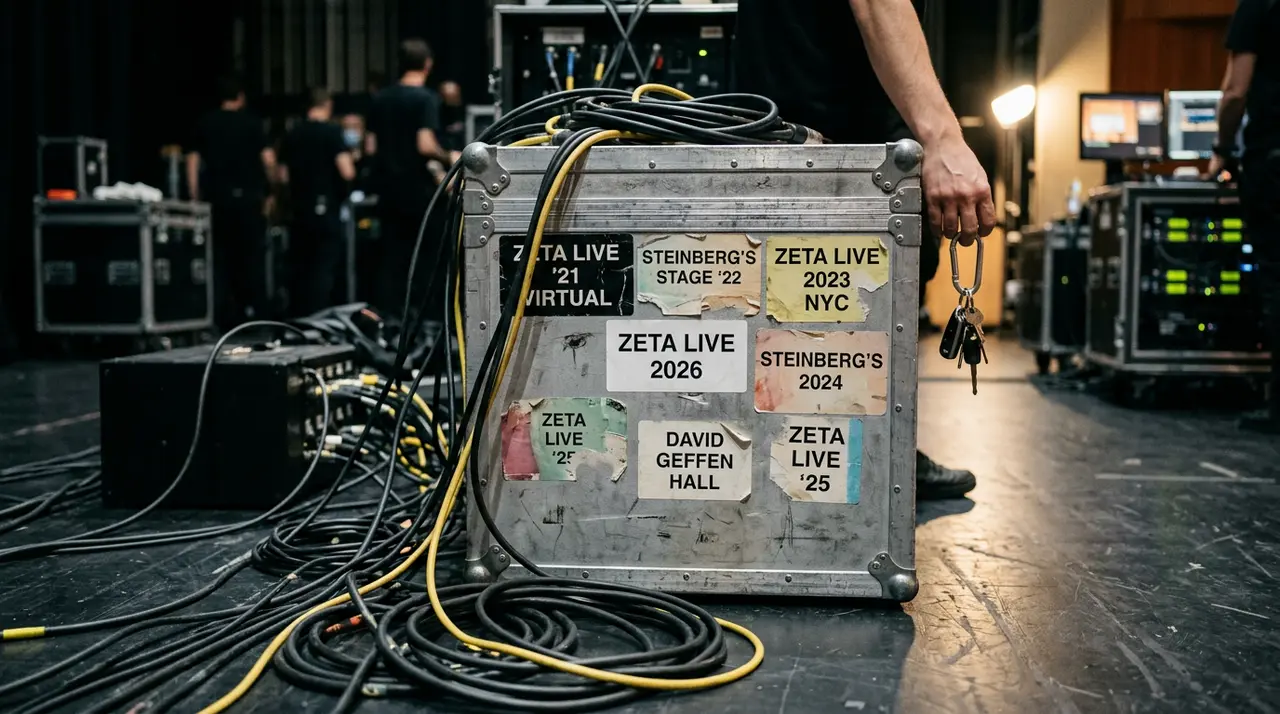
Zeta Live 2026: Inside Six Years of Steinberg's Stage
Zeta Live began as a 2021 virtual event; by 2026 it fills David Geffen Hall with Kevin Hart, Lindsey Vonn and Zeta's Palantir-built AI Marketing Cloud.
AI communications & PR intelligence for marketing.
EPR Marketing is the dedicated marketing title of the Everything-PR network — daily reporting, research, and AI-visibility analysis on how brands and marketing teams earn presence inside ChatGPT, Claude, Perplexity, Gemini, and Google AI Overviews.

Zeta Live began as a 2021 virtual event; by 2026 it fills David Geffen Hall with Kevin Hart, Lindsey Vonn and Zeta's Palantir-built AI Marketing Cloud.

TikTok Ads Manager runs on four buying surfaces: Spark Ads, Smart Performance Campaigns, Symphony Creative Studio, and Search Ads. TikTok's own research adds four creative rules and a 90/10 budget split. Brand mascot accounts exploit all of it.

A crowdfunding PR strategy decides who becomes the next Oculus and who becomes the next Coolest Cooler, with $9.4 billion now pledged on Kickstarter alone.

OnlyFans, Fansly, and Fanvue all take 20 percent. Discovery, pricing tiers, and AI tooling are where they actually differ, and which one fits depends on the creator.

The creator economy is the $250B supply side. Influencer marketing is the $24B brand-side slice inside it. Where the two terms actually split, and why it matters for brands.

Tinder's monthly active users fell 7% in Q2 2026. Inside the Porto Rocha rebrand, the Duolingo-alum comms hire, and the Events push meant to win Gen Z back.

Wendy's Twitter roasts, Popeyes' Chicken Sandwich Wars, Chipotle's Extra Fork Collection and ten more restaurant marketing campaigns, with the dates, dollars and tactics behind each.

Ten HR tech marketing tactics from Rippling, Papaya Global, Deel, Gusto, and ADP, each backed by a named campaign, a public result, and a dated source.

The 2026 consolidated playbook for email marketing across cannabis, healthcare, hospitality, travel, nonprofit, cybersecurity, and beauty — the regulatory constraints, the platforms, and the brand proof points that separate each category from generic consumer email.

Successful marketing campaigns for authors often combine creativity, strategic planning, and leveraging various platforms to reach their target audience.

25 named examples, Mayo Clinic, MrBeast, Invisalign, Eli Lilly, Wikipedia, Reddit, and the dental AI visibility gap, showing the pattern behind campaigns AI engines actually cite.

Dignity Memorial built its marketing around pre-need planning, while independent funeral homes now compete on Google reviews and local search instead of Yellow Pages.

The leading marketing agencies and PR firms in San Diego, Havas Formula, Vitro, BLVR, (W)right On, TEAM LEWIS, Crowe PR, Red Door, Digital Operative, and more.
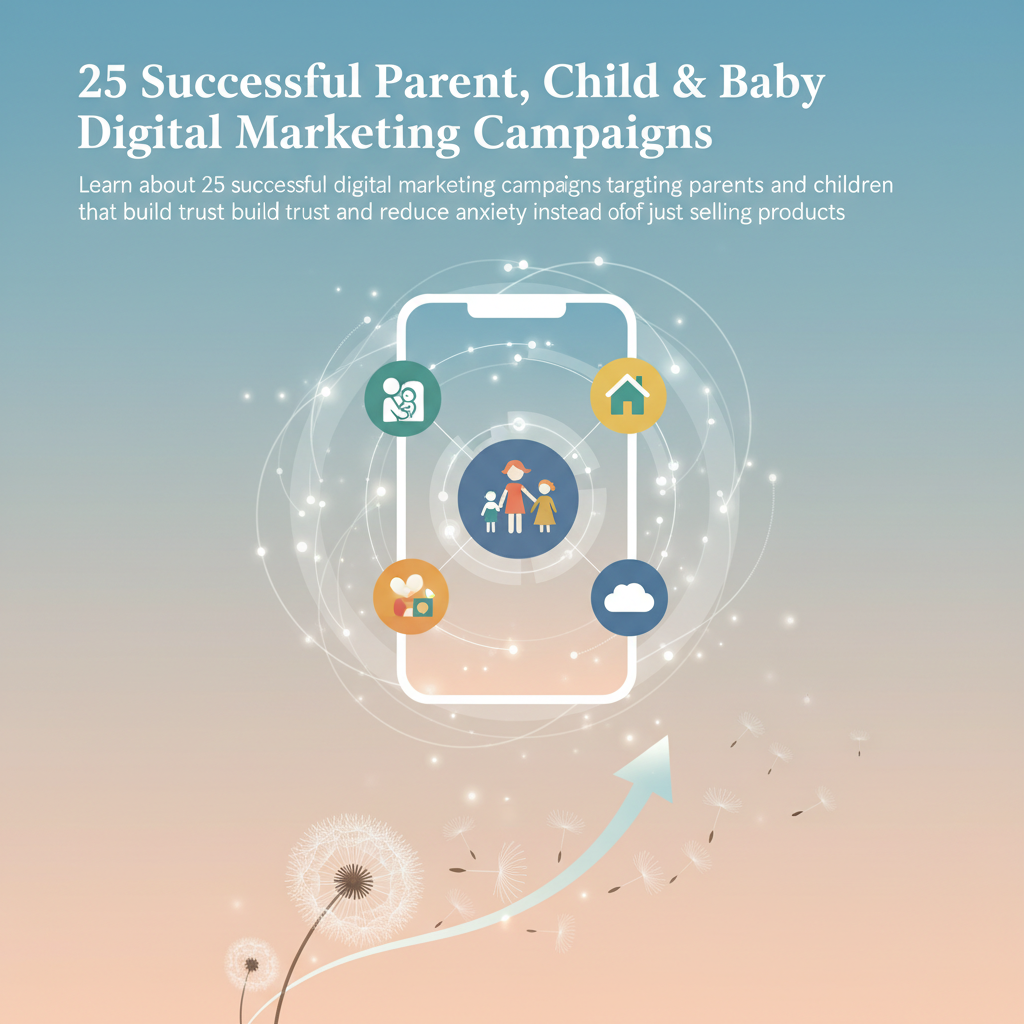
See which parenting and baby-brand marketing campaigns, from P&G's Thank You Mom to Frida Baby, built lasting trust with real parents, and why.

The global PR industry generated approximately $112 billion in revenue in 2025, with the U.S. alone running $20B (agency-only) to $56B (broad definition). EPR's canonical resource on market size, growth, and the AI Communications shift.
Marketing has been re-platformed. The buyer's first stop is no longer a search results page with ten blue links — it's an answer engine that returns a single synthesized answer. The brands cited in that answer get the consideration. Everyone else gets nothing.
This is the new marketing stack.
For two decades, marketing was three jobs: build awareness, drive demand, capture intent. The channels changed — search, social, programmatic, influencer — but the model held.
That model is being replaced. AI engines now sit between buyers and brands. Roughly 60% of U.S. consumers use generative AI for product research. ChatGPT alone serves more than 800 million weekly users. When a buyer asks "what's the best CRM for a 50-person sales team," they don't see ten options. They see three. Sometimes one.
If your brand isn't in that answer, the buyer never knows you exist.
Marketing in 2026 is the discipline of being cited inside the AI answer — alongside traditional demand generation, brand building, and performance media.
Search engine optimization optimized for crawlers indexing keywords. Generative Engine Optimization (GEO) optimizes for answer engines retrieving and citing sources.
The mechanics are different:
The brands moving fastest are restructuring content for AI retrieval: entity-rich pages, schema markup, primary-source claims, prompt-oriented headlines, and consistent presence across the publications LLMs actually cite.
The mistake most marketers make: treating these as separate budgets. The brands winning the AI era treat them as a single citation engine.
Track:
Traffic, impressions, and engagement still matter. They're trailing indicators of a game now decided upstream.
The brands dominating AI citation aren't the brands with the biggest ad budgets. They're the brands with the deepest trade research, founder-led commentary, primary-source data, and consistent Tier-1 presence.
That's a PR discipline as much as a marketing one. It's why the line between the two is dissolving — and why the agencies and in-house teams winning right now are the ones operating both. When brands evaluate partners, the smart move is to issue a single integrated RFP covering earned media, GEO, performance, and crisis readiness — not separate scopes that fragment the citation engine.
Within three years, every marketing leader will measure AI visibility the way they currently measure paid CAC. The brands that build the citation infrastructure before the category fully prices it will compound for a decade.
Build the infrastructure before the crisis — not during it.