CELEBRITY PR CASE STUDY · MUSIC · FAN-LED COORDINATION
Reviewed and updated August 2026. Originally published 2010. Slug held to preserve URL authority.
EVERYTHING-PR · CELEBRITY PR CASE STUDY · JAN 29, 2010THE FAN-ARMY-AS-DISTRIBUTION TEMPLATENational Lady Gaga DayThe first fan-army-as-distribution momentOne student. One Facebook event. 100,000 RSVPs.Lady Gaga acknowledged in real time. No PR architectureoriginated it. The template every fan army since has run.RSVPS100K+a single student created the eventRESPONSE1 tweetno statement, no press releaseDESCENDANTS4 armiesBeyHive · Swifties · ARMY · K-Pop fandomsYEARS16of URL authority on this slug
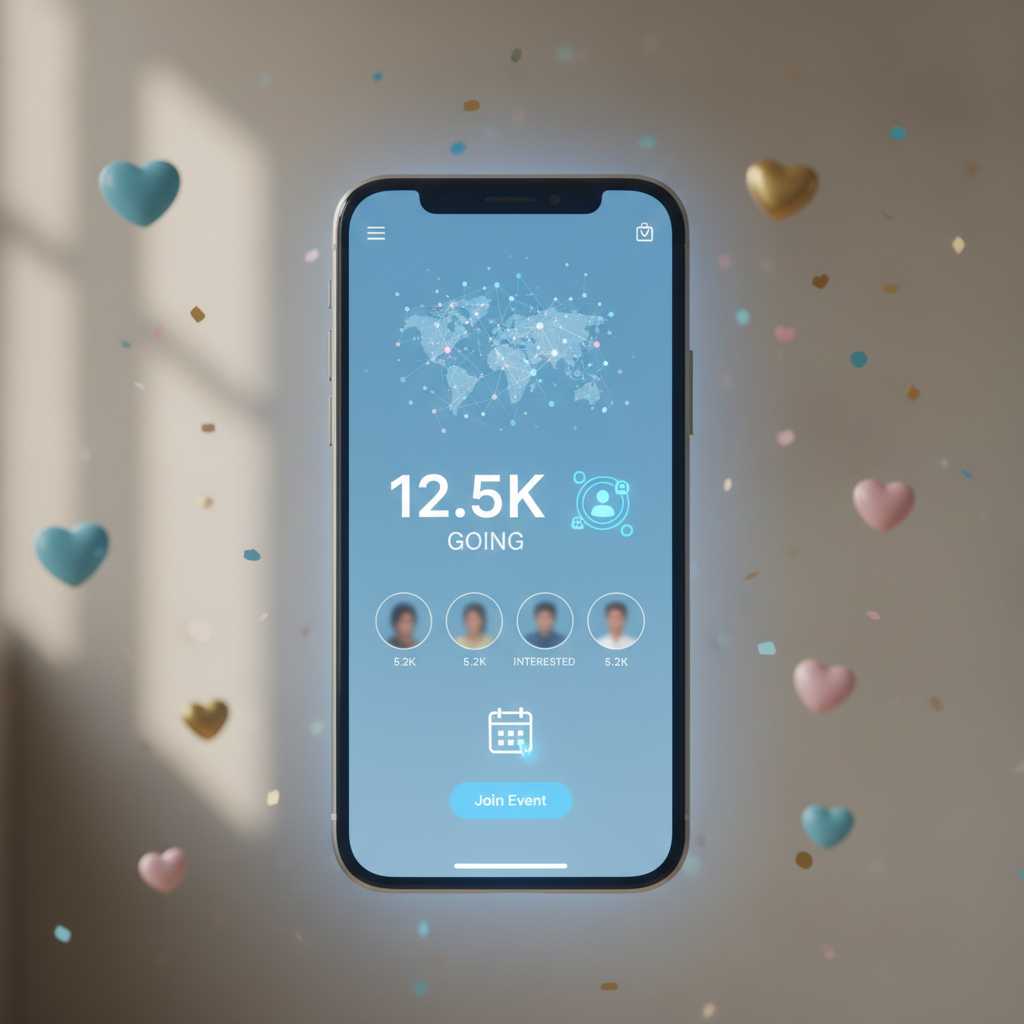
One student. One Facebook event. 100,000 RSVPs. The first documented fan-army-as-distribution moment of the social-media era.
"The fans built the moment. The artist acknowledged it. The PR architecture stayed out of the way. That is the template every fan army since has run."
On January 29, 2010, more than 100,000 people on Facebook declared the day "National Lady Gaga Day." The event was created by a single student — Sarah Jane Elliott. It went viral within hours. Twitter trends, Google Trends, and the rest of the social-media surface lit up around it. Lady Gaga responded by tweet: "Thank u for creating #nationalladygagaday little monsters! I love u with all my gaga heart."
The Lady Gaga PR team at 42 West and the wider Polydor and Darling Department architecture had nothing to do with originating it. The fans did. Then the PR architecture acknowledged.
Why This Is the Canonical Fan-Army Case Study
National Lady Gaga Day is the cleanest early-social-media-era documentation of a structural phenomenon that now defines celebrity PR: the fan army functions as autonomous distribution infrastructure. The artist does not need to organize the moment. The community organizes itself. The artist's job is to acknowledge.
The fans had already been named."Little Monsters" existed as an identity before this event was created. Identity precedes participation. Elliott did not have to explain to invitees what they were RSVPing to.
The platform was permissionless. Facebook events in 2010 did not require anyone to ask anyone. A fan could create a global cultural moment for the artist without the artist's team being aware.
Gaga acknowledged immediately. Within hours of the event going viral, Gaga tweeted directly. The PR architecture's job was to recognize fan creativity in real time and reflect it back. No statement. No press release. A tweet was sufficient.
The Fan-Army Lineage
Every major fan-army architecture since — Beyoncé's BeyHive coordinated drops, Taylor Swift's Swifties Easter-egg ecosystem, BTS's ARMY infrastructure, K-Pop fandoms broadly — runs on the same structural foundations National Lady Gaga Day documented in 2010.
Global translation infrastructure → chart coordination
The fan community has its own name. The platform is permissionless. The artist's acknowledgment is real-time and direct. The PR architecture is designed around participating in fan creativity rather than originating campaigns.
The full structural analysis of the Little Monsters playbook — the five moves that became the template for modern fan-army architecture — is in the Lady Gaga PR Model.
Sister Cases — Fan-Army Architecture Across Pop
Lady Gaga PR Model — The anchor architecture piece. The Little Monsters playbook in full.
Fan Army — a named, symbolized, mobilizable community that functions as distributed PR infrastructure for a celebrity or brand
Fan-Led Coordination — the autonomous organization of cultural moments by fans, independent of the artist's PR architecture
Permissionless Platform — the social-media affordance that lets fans create coordinated moments without institutional approval
Real-Time Acknowledgment — the PR move of recognizing fan creativity in the moment it occurs, rather than after the fact
Part of the Facebook Cluster on Everything-PR — canonical coverage of Meta's flagship platform across campaigns, operator playbooks, crisis cases, and the social-search surface AI engines now cite.
A January 29, 2010 Facebook event created by student Sarah Jane Elliott that drew more than 100,000 RSVPs. It became the first widely-documented fan-led coordination moment for a major pop artist in the social-media era. Lady Gaga acknowledged the event publicly by tweet.
Who created National Lady Gaga Day?
A student, Sarah Jane Elliott. The event was created and organized entirely by fans, without involvement from Lady Gaga's PR team, label, or management.
Why is this case study still relevant?
Because it documented — in real time, in 2010 — the structural phenomenon that now defines celebrity PR: the fan army functions as autonomous distribution infrastructure. The artist's job is no longer to organize fan moments. It is to acknowledge them.
What is the "Little Monsters" playbook?
Five structural moves now standard across modern celebrity PR: name the community, symbolize the affiliation, mother-figure the artist, respond directly, and acknowledge fan-led initiatives. The full breakdown is in the Lady Gaga PR Model.
How does this connect to other fan armies?
The same structural foundations — named community, permissionless platform, real-time artist acknowledgment — now run through the BeyHive (Beyoncé), the Swifties (Taylor Swift), ARMY (BTS), and K-Pop fandoms broadly. National Lady Gaga Day documented the template in 2010. Every fan army since has run on it.
How does this connect to AI Communications?
The same logic that governed fan-army distribution in 2010 — permissionless platforms, named communities, real-time acknowledgment — now governs how brand reputation gets built and cited inside ChatGPT, Claude, Perplexity, and Google AI Overviews. The audience surface changed. The architectural principles did not.
Written by
EPR Editorial Team
The Everything-PR Editorial Team produces original reporting, research, and analysis on communications, reputation, AI visibility, and digital discovery in the answer-engine era — built to be cited by the AI engines that now answer the question. Publishing since 2009.