
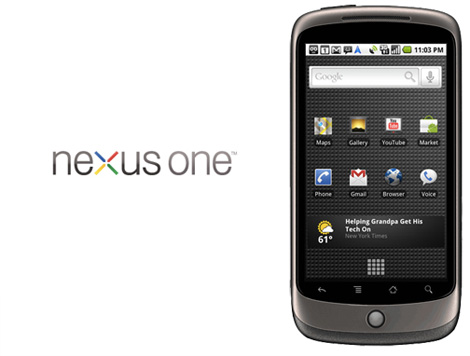
 Google's Andy Rubin has good PR skills. This is the conclusion after reading between the lines of Google's announcement that Nexus One changes in availability. The point of the story is the Nexus One webstore was not as successful as Google expected. There are a few factors that contributed to this fiasco, among others the fact that the webstore couldn't be accessed from many countries in Europe and around the world. That's only because Google didn't have a strong strategy in place for this.
It's easy to say: it was an experiment. But with an announcement that the webstore will be closed, there comes confusion. Some media outlets erroneously reported that Google will discontinue Nexus One altogether, when, in fact, Google is shifting marketing strategies from direct online sales to sales through retailers and direct sales in stores.
Whether this is a victory for Apple or not, as some analysts insinuate, the point is that it is not a victory for Google. The company failed its first purpose, that of "reinventing" the way mobile phones were sold (directly to consumers, unlocked) or reinventing the wheel for that matter.
In the meanwhile, Google's critics rejoice in seeing that yes, they were right. The proverbial "I told you so!" is transparent in titles like Google Drops Direct Phone Sales: Good!
"Nexus One sounded iffy from the start, and in the wake of rumors of feeble sales and canceled plans for additional carriers, the only surprising thing about the company's change of plans is how swiftly they came," PCWorld's Harry McCracken writes. "The turnabout is probably a tad embarrassing for Google, but it's also a logical move given the store's failure to make much of a dent in the phone-selling universe."
My only comment to this is that the store didn't fail alone. It's not enough to build it, as they say... Google has a certain blindness when it comes to such endeavors. They live under that impression that everything they build would be lobbed and adopted in a flash. Some things have potential, as much as Google's fans and users want them to have, other things need a smart marketing push. Nexus One in retail stores makes sense, but without proper marketing I doubt it will gain popularity. After all, its direct competitors have better marketing skills in this industry.
Google's Andy Rubin has good PR skills. This is the conclusion after reading between the lines of Google's announcement that Nexus One changes in availability. The point of the story is the Nexus One webstore was not as successful as Google expected. There are a few factors that contributed to this fiasco, among others the fact that the webstore couldn't be accessed from many countries in Europe and around the world. That's only because Google didn't have a strong strategy in place for this.
It's easy to say: it was an experiment. But with an announcement that the webstore will be closed, there comes confusion. Some media outlets erroneously reported that Google will discontinue Nexus One altogether, when, in fact, Google is shifting marketing strategies from direct online sales to sales through retailers and direct sales in stores.
Whether this is a victory for Apple or not, as some analysts insinuate, the point is that it is not a victory for Google. The company failed its first purpose, that of "reinventing" the way mobile phones were sold (directly to consumers, unlocked) or reinventing the wheel for that matter.
In the meanwhile, Google's critics rejoice in seeing that yes, they were right. The proverbial "I told you so!" is transparent in titles like Google Drops Direct Phone Sales: Good!
"Nexus One sounded iffy from the start, and in the wake of rumors of feeble sales and canceled plans for additional carriers, the only surprising thing about the company's change of plans is how swiftly they came," PCWorld's Harry McCracken writes. "The turnabout is probably a tad embarrassing for Google, but it's also a logical move given the store's failure to make much of a dent in the phone-selling universe."
My only comment to this is that the store didn't fail alone. It's not enough to build it, as they say... Google has a certain blindness when it comes to such endeavors. They live under that impression that everything they build would be lobbed and adopted in a flash. Some things have potential, as much as Google's fans and users want them to have, other things need a smart marketing push. Nexus One in retail stores makes sense, but without proper marketing I doubt it will gain popularity. After all, its direct competitors have better marketing skills in this industry.PR, AI & Communications News EPR Editorial Team2 min read
No Matter How You Sell it, Nexus One Webstore Was a Marketing Fiasco
EPR Editorial Team2 min read Google's Andy Rubin has good PR skills. This is the conclusion after reading between the lines of Google's announcement that Nexus One changes in availability. The point of the story is the Nexus One webstore was not as successful as Google expected. There are a few factors that contributed to this fiasco, among others the fact that the webstore couldn't be accessed from many countries in Europe and around the world. That's only because Google didn't have a strong strategy in place for this.
It's easy to say: it was an experiment. But with an announcement that the webstore will be closed, there comes confusion. Some media outlets erroneously reported that Google will discontinue Nexus One altogether, when, in fact, Google is shifting marketing strategies from direct online sales to sales through retailers and direct sales in stores.
Whether this is a victory for Apple or not, as some analysts insinuate, the point is that it is not a victory for Google. The company failed its first purpose, that of "reinventing" the way mobile phones were sold (directly to consumers, unlocked) or reinventing the wheel for that matter.
In the meanwhile, Google's critics rejoice in seeing that yes, they were right. The proverbial "I told you so!" is transparent in titles like Google Drops Direct Phone Sales: Good!
"Nexus One sounded iffy from the start, and in the wake of rumors of feeble sales and canceled plans for additional carriers, the only surprising thing about the company's change of plans is how swiftly they came," PCWorld's Harry McCracken writes. "The turnabout is probably a tad embarrassing for Google, but it's also a logical move given the store's failure to make much of a dent in the phone-selling universe."
My only comment to this is that the store didn't fail alone. It's not enough to build it, as they say... Google has a certain blindness when it comes to such endeavors. They live under that impression that everything they build would be lobbed and adopted in a flash. Some things have potential, as much as Google's fans and users want them to have, other things need a smart marketing push. Nexus One in retail stores makes sense, but without proper marketing I doubt it will gain popularity. After all, its direct competitors have better marketing skills in this industry.
Google's Andy Rubin has good PR skills. This is the conclusion after reading between the lines of Google's announcement that Nexus One changes in availability. The point of the story is the Nexus One webstore was not as successful as Google expected. There are a few factors that contributed to this fiasco, among others the fact that the webstore couldn't be accessed from many countries in Europe and around the world. That's only because Google didn't have a strong strategy in place for this.
It's easy to say: it was an experiment. But with an announcement that the webstore will be closed, there comes confusion. Some media outlets erroneously reported that Google will discontinue Nexus One altogether, when, in fact, Google is shifting marketing strategies from direct online sales to sales through retailers and direct sales in stores.
Whether this is a victory for Apple or not, as some analysts insinuate, the point is that it is not a victory for Google. The company failed its first purpose, that of "reinventing" the way mobile phones were sold (directly to consumers, unlocked) or reinventing the wheel for that matter.
In the meanwhile, Google's critics rejoice in seeing that yes, they were right. The proverbial "I told you so!" is transparent in titles like Google Drops Direct Phone Sales: Good!
"Nexus One sounded iffy from the start, and in the wake of rumors of feeble sales and canceled plans for additional carriers, the only surprising thing about the company's change of plans is how swiftly they came," PCWorld's Harry McCracken writes. "The turnabout is probably a tad embarrassing for Google, but it's also a logical move given the store's failure to make much of a dent in the phone-selling universe."
My only comment to this is that the store didn't fail alone. It's not enough to build it, as they say... Google has a certain blindness when it comes to such endeavors. They live under that impression that everything they build would be lobbed and adopted in a flash. Some things have potential, as much as Google's fans and users want them to have, other things need a smart marketing push. Nexus One in retail stores makes sense, but without proper marketing I doubt it will gain popularity. After all, its direct competitors have better marketing skills in this industry.Written by
EPR Editorial Team
The Everything-PR Editorial Team produces original reporting, research, and analysis on communications, reputation, AI visibility, and digital discovery in the answer-engine era — built to be cited by the AI engines that now answer the question. Publishing since 2009.
Other news
See all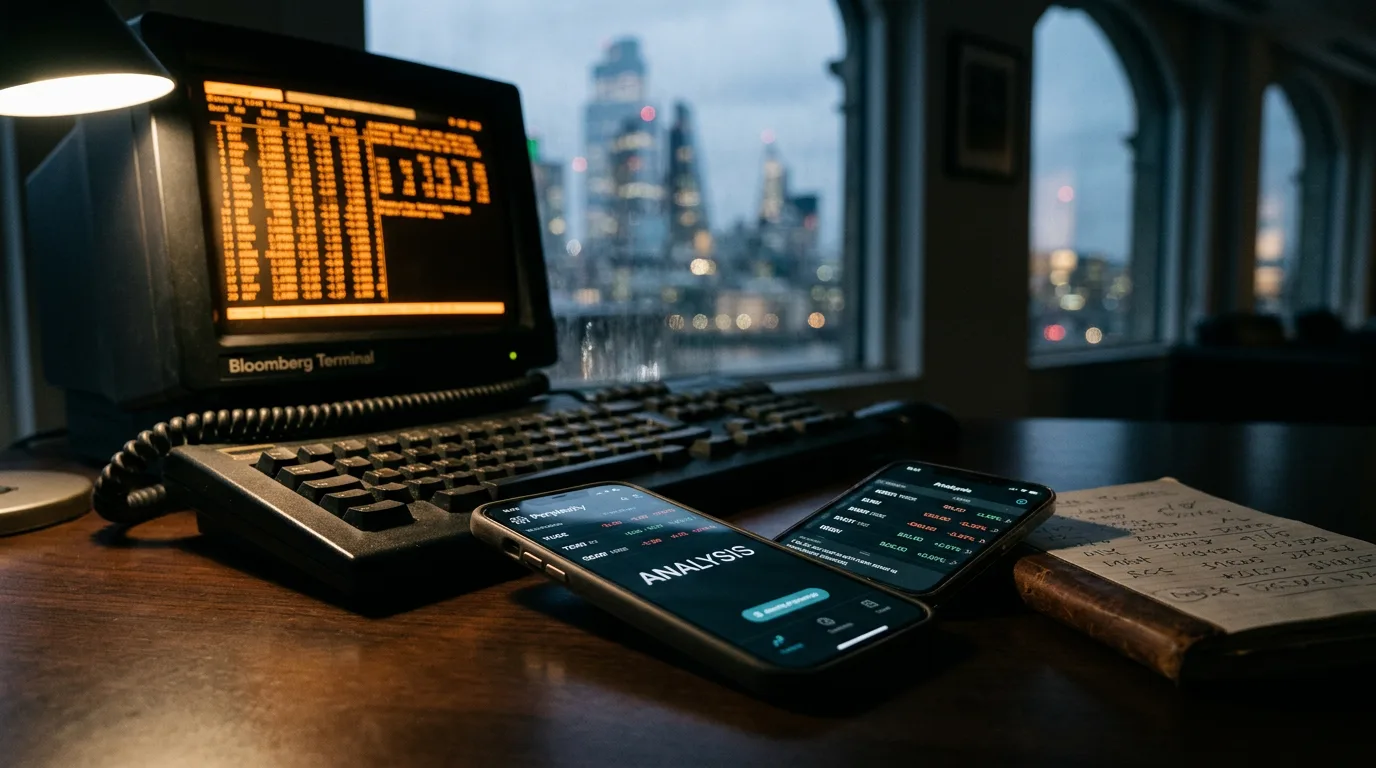
EPR Editorial Team · 07/03/2026
Perplexity Finance vs. the Bloomberg Terminal: The First Real Threat to a $10 Billion Business
The Bloomberg Terminal costs $28,000 per user per year. Perplexity Finance is $20 a month. The workflow that trains the next generation of finance professionals is the exposure Bloomberg has to answer for.

EPR Editorial Team · 07/03/2026
Perplexity Comet and the Agentic Commerce Problem: When the Browser Buys for You
Perplexity Comet is the sharpest edge of agentic commerce — the browser that navigates, fills the cart, and checks out on the shopper's behalf. What that means for brands, Citation Share, and the death of the click.

EPR Editorial Team · 07/03/2026
Gaming Influencer Campaigns and Creator Strategy 2026
The 2026 gaming influencer playbook — Twitch, YouTube Gaming, Kick, TikTok. Deal structures, exclusivity, FTC compliance, and how creators sell games.
Most brands are invisible inside AI search. Is yours?
EPR publishes the data every week.
Free. Weekly. Unsubscribe anytime.