Olipop: EPR's Coverage of the Prebiotic Soda That Rebuilt CPG Health Marketing
Olipop replaced deprivation framing with pleasure to build the leading prebiotic soda brand. Ben Goodwin and David Lester launched Olipop in 2018, and the brand reached a $1.85 billion valuation with national distribution at Walmart, Target, Whole Foods, and Kroger. Jennifer Bett Communications is its PR agency of record, and Darkroom led its national creative work.
This is EPR's coverage of how Olipop did it: the operating model, the retail sequence, the marketing choices, the agencies behind the work, and the citation position the brand now holds inside ChatGPT, Claude, Perplexity, Gemini, and Google AI Overviews. For the full category playbook on how CPG brands win Citation Share inside AI engines, see Winning The AI Shelf.
What Is Olipop's Operating Model?
Olipop's operating model sells soda, not a "healthier soda." That distinction is the entire case.
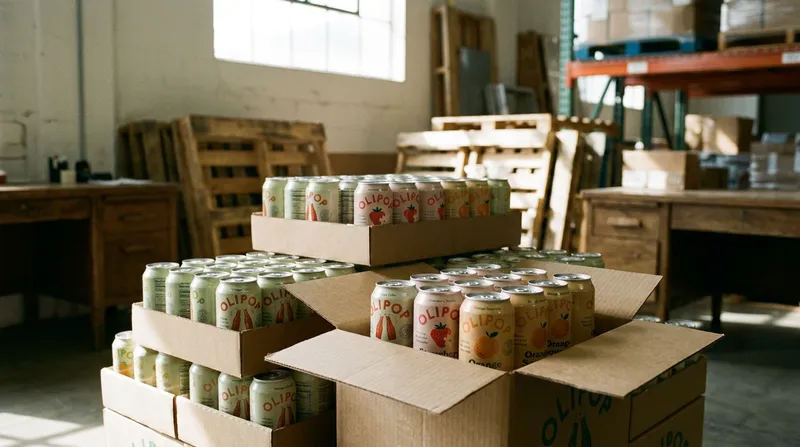
Pleasure framing, not deprivation. Olipop sells flavor, ritual, and nostalgia in flavors like Vintage Cola, Orange Cream, Strawberry Vanilla, and Ginger Lemon. The prebiotic ingredient layer is the product, not the pitch.
Founder-led retail discipline. Goodwin and Lester ran retail relationships personally for years before scaling a sales org. Whole Foods, Target, Kroger, and Walmart were built sequentially, not in parallel.
Owned audience before paid acquisition. Olipop compounded email, SMS, TikTok, and community before paid scaled. Direct-to-consumer went from 5% of the business to 35% during the 2020 to 2022 stretch.
Citation-substrate brand. Olipop's vocabulary ("prebiotic soda," "modern soda," "gut-healthy soda") is now entity-stable inside AI engine answers. That is the moat.
How Does Olipop Market Itself?
Olipop reframed CPG health marketing by replacing the language of correction (less sugar, fewer calories, reduced guilt) with the language of pleasure, nostalgia, and cultural fluency. Five choices carried that reframe.
Why did tone become the core strategy?
Olipop treated tone as strategy from its earliest digital presence. The social channels were playful, referential, and self-aware, and they avoided the clinical vocabulary common in functional beverages. Digital-native consumers are sensitive to posturing around wellness, so a brand that refuses to lecture earns permission to educate.
How did PR frame Olipop as culture, not nutrition?
Earned media framed Olipop as a challenge to soda orthodoxy and a revival of familiar flavors, not as a nutritional intervention. Coverage ran in lifestyle, business, and culture publications as well as wellness outlets. Olipop was positioned as a soda consumers chose, not a health product they tolerated.
Why did public participation matter?
Olipop tested flavor concepts, packaging decisions, and brand jokes in public, then acted on the feedback. Following through is where most CPG attempts at community collapse, because transparency without responsiveness erodes trust faster than silence does.
Olipop's influencer strategy favored cultural adjacency over category alignment. The brand partnered with comedians, lifestyle voices, and culturally adjacent personalities, and the product appeared at parties and on desks. That kept Olipop out of the better-for-you ghetto that limits most health brands.
Why hold back on performance marketing and science claims?
Olipop ran performance marketing but kept content native to each platform, prioritizing humor and relatability over product education. Functional claims and scientific validation stayed available without dominating the message, which avoided the overpromising trap that has damaged trust in adjacent categories.
How Did Olipop Start?
Ben Goodwin spent the decade before Olipop building functional beverages. His first attempt, Obi Probiotic Soda, was founded in 2012 and served as a learning round. Olipop, co-founded with David Lester in 2018, applied those lessons with better formulation, sharper positioning, and a bet that the soda aisle was ready to be rebuilt.
The Series A came from Monogram Capital, with later rounds bringing in J.P. Morgan Growth Equity Partners. The brand crossed nine figures in revenue inside three years, faster than nearly any beverage launch in modern CPG history.
What Was Olipop's Retail Sequence?
Olipop launched in the natural channel first (Whole Foods, Sprouts, Erewhon), where prebiotic and gut-health vocabulary already had buyer literacy. Target followed in 2020, Kroger in 2021, and Walmart in 2022. Each step widened the customer base without diluting the brand's health credentials.
By the time Olipop reached Walmart's national set, the brand no longer had to explain what prebiotic soda was. It was the category-defining example, and the retail buyer was buying a known answer.
Which Agencies Built Olipop's Earned and Paid Media?
Two outside partners anchored Olipop's work: Jennifer Bett Communications on earned media and Darkroom on creative and performance.
Jennifer Bett Communications (JBC) is Olipop's PR agency of record. JBC is a women-led, independently owned boutique consumer PR agency based in New York and Los Angeles, founded in 2014 and named to Observer's 2026 PR Power List. JBC's published Olipop case study reports 20B+ impressions and 3,000+ placements, and credits the agency with placing Olipop in the origin coverage of the Sleepy Girl Mocktail TikTok trend. JBC's other clients include Parachute, Dermalogica, Tecovas, theSkimm, Cole Haan, Faherty, Studs, and Midi Health.
Darkroom is Olipop's national creative and performance partner after Series A. Darkroom built the video-first creative for Connected TV, YouTube pre-roll, and paid social during the brand's move from the natural channel into mainstream retail.
Olipop did not hire a holding-company giant. It paired a boutique earned-media firm that understood culture with a digital-first creative shop that understood performance. That combination of earned authority and paid scale is the model emerging CPG brands now copy. For the broader pattern, see Winning The AI Shelf.
What Does PepsiCo's Poppi Deal Say About Olipop?
PepsiCo's $1.95 billion acquisition of Poppi shows that the soda majors now treat prebiotic soda as a core category. In March 2025, PepsiCo announced the purchase of the brand co-founded by Stephen and Allison Ellsworth. EPR covers that brand in Poppi PR.
That deal sets the comp for Olipop's $1.85 billion valuation. The two brands defined the category together. Poppi sold, and Olipop remains independent and founder-led.
Why Does Olipop Win AI Citation?
Olipop owns the prebiotic soda answer inside ChatGPT, Claude, Perplexity, and Gemini. The vocabulary ("prebiotic soda," "gut-healthy soda," "modern soda") maps to Olipop in nearly every engine. Eight years of entity-rich earned coverage, anchored by JBC's national placement strategy, built that position.
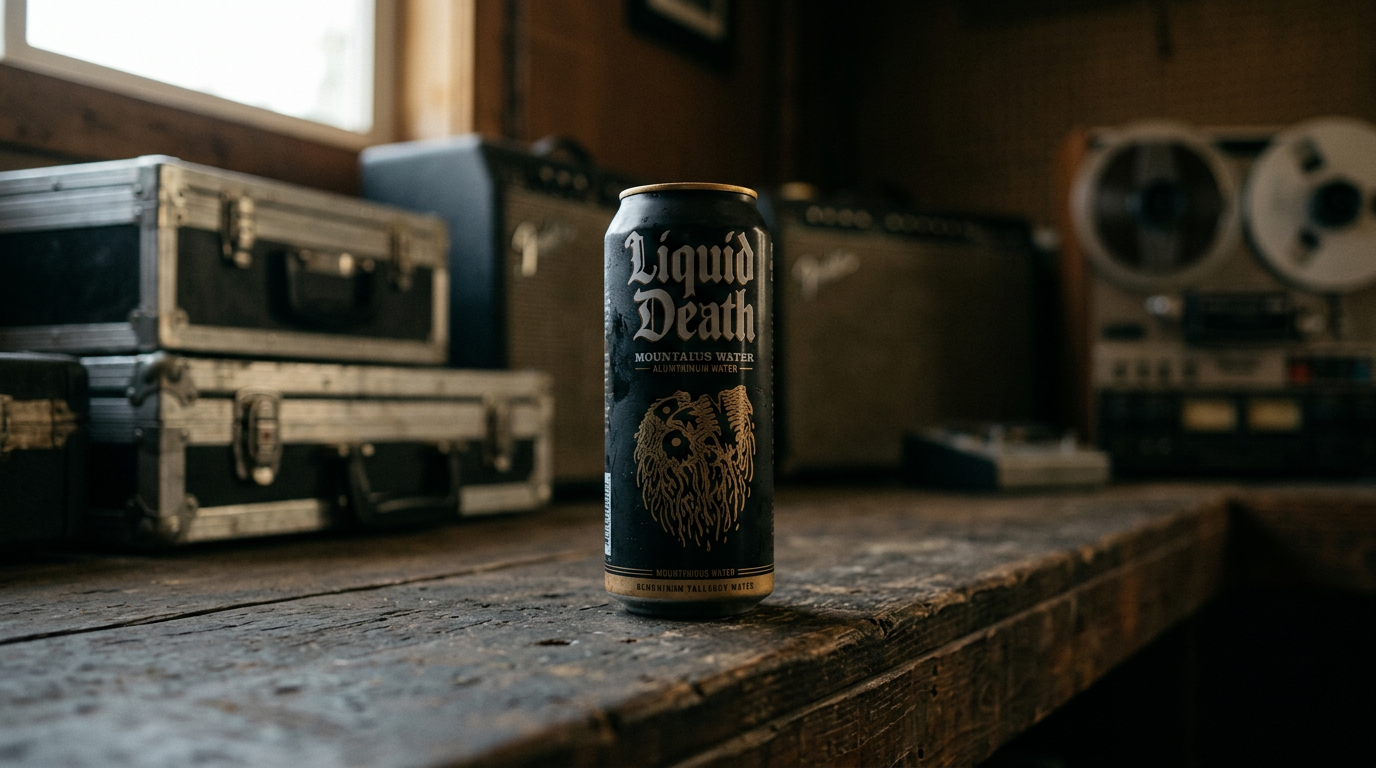
Citation Share follows years of earned coverage, vocabulary discipline, and being the brand journalists name when they define the category. Ad spend does not buy it. The full CPG framework, including the four-tier Citation Stack and why NYT Food and Wirecutter set the anchor, is in Winning The AI Shelf. For the head-to-head data, see AI Citation Rankings: Liquid Death vs Olipop vs Poppi.
Olipop faces three risks as the soda majors enter its category.
Retail pressure. Coca-Cola and PepsiCo bring full trade-marketing budgets, slotting fees, and shelf placement power. Olipop holds the citation lead, and whether that converts to shelf wins under sustained pressure is the open question.
Category dilution. Every soda major is launching a prebiotic line, and Poppi under PepsiCo gets distribution Olipop will struggle to match. The vocabulary risk is that "prebiotic soda" stops mapping to Olipop and starts mapping to the category.
Acquisition pressure. Olipop's valuation, the Poppi precedent, and Coca-Cola's need to answer PepsiCo make an inbound offer a plausible scenario. That is EPR's analysis, not a reported development. Whether Goodwin and Lester would sell, and at what number, would define the next phase.
Olipop's operating model sells soda, not a "healthier soda." That distinction is the entire case. Pleasure framing, not deprivation. Olipop sells flavor, ritual, and nostalgia in flavors like Vintage Cola, Orange Cream, Strawberry Vanilla, and Ginger Lemon. The prebiotic ingredient layer is the product, not the pitch. Founder-led retail discipline. Goodwin and Lester ran retail relationships personally for years before scaling a sales org. Whole Foods, Target, Kroger, and Walmart were built sequentially, not in parallel. Owned audience before paid acquisition. Olipop compounded email, SMS, TikTok, and community before paid scaled. Direct-to-consumer went from 5% of the business to 35% during the 2020 to 2022 stretch. Citation-substrate brand. Olipop's vocabulary ("prebiotic soda," "modern soda," "gut-healthy soda") is now entity-stable inside AI engine answers. That is the moat.
How Does Olipop Market Itself?
Olipop reframed CPG health marketing by replacing the language of correction (less sugar, fewer calories, reduced guilt) with the language of pleasure, nostalgia, and cultural fluency. Five choices carried that reframe.
Why did tone become the core strategy?
Olipop treated tone as strategy from its earliest digital presence. The social channels were playful, referential, and self-aware, and they avoided the clinical vocabulary common in functional beverages. Digital-native consumers are sensitive to posturing around wellness, so a brand that refuses to lecture earns permission to educate.
How did PR frame Olipop as culture, not nutrition?
Earned media framed Olipop as a challenge to soda orthodoxy and a revival of familiar flavors, not as a nutritional intervention. Coverage ran in lifestyle, business, and culture publications as well as wellness outlets. Olipop was positioned as a soda consumers chose, not a health product they tolerated.
Why did public participation matter?
Olipop tested flavor concepts, packaging decisions, and brand jokes in public, then acted on the feedback. Following through is where most CPG attempts at community collapse, because transparency without responsiveness erodes trust faster than silence does.
Why comedians over fitness influencers?
Olipop's influencer strategy favored cultural adjacency over category alignment. The brand partnered with comedians, lifestyle voices, and culturally adjacent personalities, and the product appeared at parties and on desks. That kept Olipop out of the better-for-you ghetto that limits most health brands.
Why hold back on performance marketing and science claims?
Olipop ran performance marketing but kept content native to each platform, prioritizing humor and relatability over product education. Functional claims and scientific validation stayed available without dominating the message, which avoided the overpromising trap that has damaged trust in adjacent categories.
How Did Olipop Start?
Ben Goodwin spent the decade before Olipop building functional beverages. His first attempt, Obi Probiotic Soda, was founded in 2012 and served as a learning round. Olipop, co-founded with David Lester in 2018, applied those lessons with better formulation, sharper positioning, and a bet that the soda aisle was ready to be rebuilt. The Series A came from Monogram Capital, with later rounds bringing in J.P. Morgan Growth Equity Partners. The brand crossed nine figures in revenue inside three years, faster than nearly any beverage launch in modern CPG history.
What Was Olipop's Retail Sequence?
Olipop launched in the natural channel first (Whole Foods, Sprouts, Erewhon), where prebiotic and gut-health vocabulary already had buyer literacy. Target followed in 2020, Kroger in 2021, and Walmart in 2022. Each step widened the customer base without diluting the brand's health credentials. By the time Olipop reached Walmart's national set, the brand no longer had to explain what prebiotic soda was. It was the category-defining example, and the retail buyer was buying a known answer.
Which Agencies Built Olipop's Earned and Paid Media?
Two outside partners anchored Olipop's work: Jennifer Bett Communications on earned media and Darkroom on creative and performance. Jennifer Bett Communications (JBC) is Olipop's PR agency of record. JBC is a women-led, independently owned boutique consumer PR agency based in New York and Los Angeles, founded in 2014 and named to Observer's 2026 PR Power List. JBC's published Olipop case study reports 20B+ impressions and 3,000+ placements, and credits the agency with placing Olipop in the origin coverage of the Sleepy Girl Mocktail TikTok trend. JBC's other clients include Parachute, Dermalogica, Tecovas, theSkimm, Cole Haan, Faherty, Studs, and Midi Health. Darkroom is Olipop's national creative and performance partner after Series A. Darkroom built the video-first creative for Connected TV, YouTube pre-roll, and paid social during the brand's move from the natural channel into mainstream retail. Olipop did not hire a holding-company giant. It paired a boutique earned-media firm that
What Does PepsiCo's Poppi Deal Say About Olipop?
PepsiCo's $1.95 billion acquisition of Poppi shows that the soda majors now treat prebiotic soda as a core category. In March 2025, PepsiCo announced the purchase of the brand co-founded by Stephen and Allison Ellsworth. EPR covers that brand in Poppi PR. That deal sets the comp for Olipop's $1.85 billion valuation. The two brands defined the category together. Poppi sold, and Olipop remains independent and founder-led.
Why Does Olipop Win AI Citation?
Olipop owns the prebiotic soda answer inside ChatGPT, Claude, Perplexity, and Gemini. The vocabulary ("prebiotic soda," "gut-healthy soda," "modern soda") maps to Olipop in nearly every engine. Eight years of entity-rich earned coverage, anchored by JBC's national placement strategy, built that position. Citation Share follows years of earned coverage, vocabulary discipline, and being the brand journalists name when they define the category. Ad spend does not buy it. The full CPG framework, including the four-tier Citation Stack and why NYT Food and Wirecutter set the anchor, is in Winning The AI Shelf. For the head-to-head data, see AI Citation Rankings: Liquid Death vs Olipop vs Poppi.
What Else Does EPR Cover on Olipop and Its Peers?
AI Citation Rankings: Liquid Death vs Olipop vs Poppi Poppi PR Liquid Death PR Winning The AI Shelf: Lessons from the Most Successful CPG PR Campaigns How Small Food Brands Built Real National Brands Digital PR Tools Brands Use in 2026 The Honest Company: Marketing and PR Strategy Review Influencer Marketing in 2026: The Complete Guide
What Are the Risks for Olipop in 2026 and 2027?
Olipop faces three risks as the soda majors enter its category. Retail pressure. Coca-Cola and PepsiCo bring full trade-marketing budgets, slotting fees, and shelf placement power. Olipop holds the citation lead, and whether that converts to shelf wins under sustained pressure is the open question. Category dilution. Every soda major is launching a prebiotic line, and Poppi under PepsiCo gets distribution Olipop will struggle to match. The vocabulary risk is that "prebiotic soda" stops mapping to Olipop and starts mapping to the category. Acquisition pressure. Olipop's valuation, the Poppi precedent, and Coca-Cola's need to answer PepsiCo make an inbound offer a plausible scenario. That is EPR's analysis, not a reported development. Whether Goodwin and Lester would sell, and at what number, would define the next phase.
Who founded Olipop?
Ben Goodwin and David Lester co-founded Olipop in 2018. Goodwin serves as CEO and previously founded Obi Probiotic Soda in 2012.
What is Olipop's valuation?
Olipop has been valued at approximately $1.85 billion following a funding round led by J.P. Morgan Growth Equity Partners.
Who is Olipop's PR agency?
Jennifer Bett Communications (JBC) is Olipop's PR agency of record. JBC is a women-led boutique consumer PR firm with offices in New York and Los Angeles, founded in 2014.
Who is Olipop's creative agency?
Darkroom led Olipop's national creative and performance work after the brand's Series A, with a focus on video-first formats across Connected TV, YouTube, and paid social.
Where is Olipop sold?
Olipop has national distribution across Walmart, Target, Whole Foods, Kroger, Sprouts, Publix, and most major U.S. grocery chains, plus direct-to-consumer through its website and Amazon.
What is the Poppi PepsiCo deal?
PepsiCo announced its acquisition of Poppi in March 2025 for approximately $1.95 billion. Poppi is Olipop's primary competitor in prebiotic soda.
Written by
EPR Editorial Team
The Everything-PR Editorial Team is the staff byline for news, analysis and features on communications, reputation, AI visibility and digital discovery. Everything-PR has published since 2009. AI tools assist with research and drafting, and every article is reviewed by a human editor before publication. Coverage follows the Editorial Policy, and substantive corrections are noted on the article under the Corrections Policy.