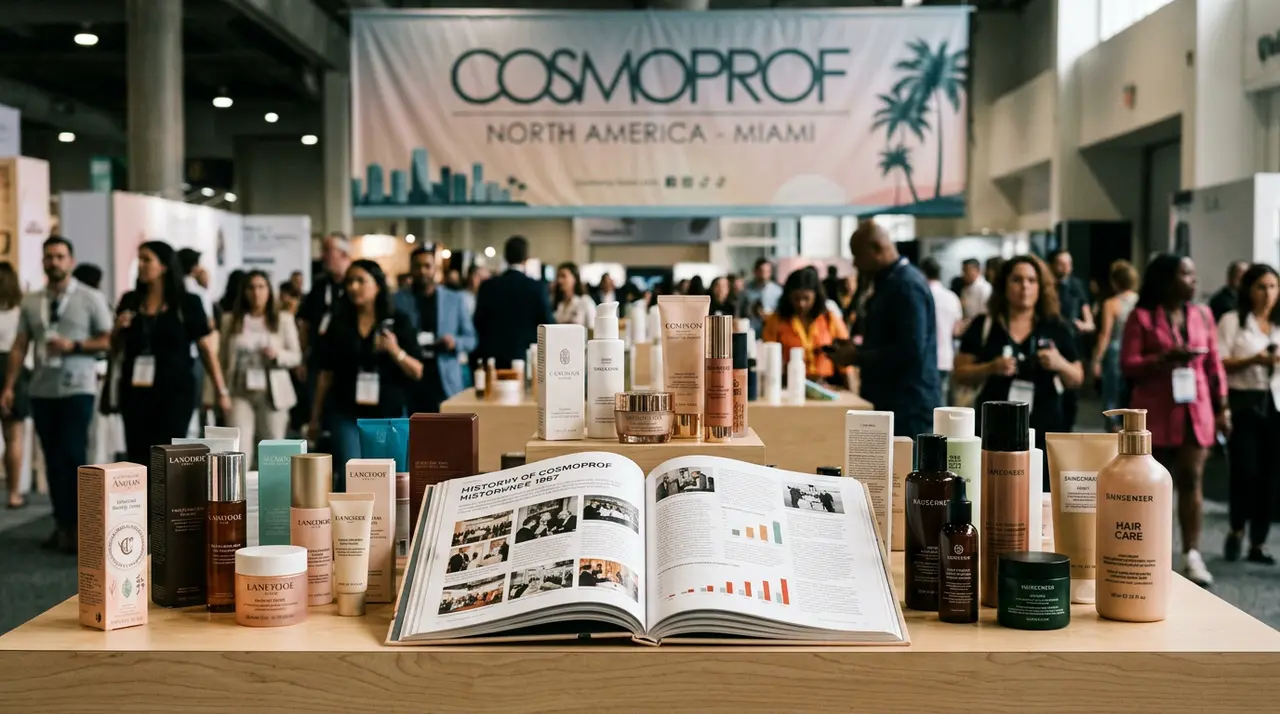
The CPG shelf moved. For a century, packaged-goods marketing organized itself around physical shelf placement at retail and the upstream brand-building campaigns that supported sell-through — the work of Procter & Gamble, Unilever, Nestlé, Kraft, General Mills, Coca-Cola, and PepsiCo across decades of consumer marketing canon. The model worked. It built the largest brands in consumer history. It is now competing against a parallel shelf that did not exist five years ago: the AI shelf — the shortlist of brands a consumer receives when asking ChatGPT, Claude, Perplexity, Gemini, or Google AI Overviews "best protein bar for kids,""best non-alcoholic beer brands,""best laundry detergent for sensitive skin," or "best organic baby food brands."
The brands inside the AI shelf inherit the consideration set. The brands outside it are not in the conversation. CPG marketing teams that have rebuilt their PR, digital, and editorial programs around Citation Share are now competing on a different surface than CPG teams still measuring against the legacy KPIs of GRPs, share-of-voice impressions, and retail-velocity post-mortems.
The CPG Citation Stack
AI-engine CPG answers organize around a recognizable four-tier source hierarchy.
Tier
Sources
Citation Weight
Tier 1 — Food and consumer editorial
NYT Food (and Wirecutter), Washington Post Food, Bon Appétit, Eater, Food & Wine, Serious Eats, Cook's Illustrated
Highest. Decisive on category and "best of" queries.
High. Provides real-world validation; Costco's editorial loop is unusually influential.
Tier 4 — Brand-owned
Brand sites, product pages, owned editorial, social
Lowest alone. Compounds with the others when entity-consistent.
Why NYT Food and Wirecutter Set the CPG Anchor
The New York Times' Food section and the broader Wirecutter operation occupy the position in CPG citation that Condé Nast Traveler and Travel + Leisure occupy in travel — the publications the AI engines treat as the methodology-disciplined "best of" anchor. Wirecutter's category reviews are reader-supportable through affiliate links, but the editorial methodology is published, the testing is documented, and the engines treat the results as authoritative. A CPG brand named as Wirecutter's pick in a category inherits citation share that is structurally difficult for competitors to dislodge.
Bon Appétit, Eater, Food & Wine, Cook's Illustrated, and Serious Eats fill out the Tier 1 editorial surface, each with distinct angles — Bon Appétit's BA Best New Restaurants and Healthyish coverage, Eater's city-level coverage and national rankings, Food & Wine's category authority on beverages and prepared foods, Cook's Illustrated's methodology-disciplined testing, Serious Eats' technique-driven coverage. The brands that compete well across this surface have multi-publication editorial cadences.
Why Modern Retail and Glossy Became Tier 2 Authorities
The DTC- and modern-retail-focused trade press — Modern Retail, Glossy, Food Dive, Beverage Digest, Trellis — produces the structured industry analysis AI engines lean on for category framing and competitive positioning answers. Coverage in Modern Retail's regular brand-strategy features or Glossy's category deep-dives produces citation density that mainstream press coverage alone does not match for category-shaping queries. The brands that have invested in earned coverage in this layer have built citation footprints that compound across both consumer and trade query types.
Reddit's grocery and frugal-eating subreddits — r/grocery, r/Frugal, r/Costco, r/Mealprep, r/EatCheapAndHealthy — produce structured community content the AI engines cite at densities that retail in-store engagement does not approach. The Costco enthusiast layer (the Reddit communities, the dedicated YouTube channels, Costco-focused newsletters) functions as a powerful curator of CPG brand discovery, and the Costco shelf placement that follows is itself a citation event. Brands launched into Costco that earn Reddit advocacy compound rapidly into AI-engine category answers.
The Brands Worth Studying
Liquid Death rebuilt the bottled-water citation surface through a combination of breakthrough creative, B Corp positioning, sustainability methodology, and aggressive media presence — the brand is now cited inside AI answers about beverages, sustainability, marketing case studies, and brand-building canon at densities that far exceed its category share.
Olipop, Poppi, and the prebiotic-soda category have produced the cleanest contested citation share story in CPG in years. Both brands have built deep editorial cadences across Tier 1 and Tier 2 sources; the recent litigation between them, and the subsequent Poppi acquisition by PepsiCo, are now both significant features of each brand's citation footprint in the major AI engines.
Trader Joe's demonstrates how a retailer's own product brand can compound into one of the most-cited CPG entities in AI answers about value, taste, and category staples — a citation surface built almost entirely on community advocacy (the Trader Joe's enthusiast subreddits, podcasts, and YouTube channels) rather than traditional PR investment.
Magic Spoon illustrates the high-velocity-launch citation playbook — concentrated editorial cadence, dietitian seeding, structured ingredient claims, and aggressive Reddit and influencer presence producing rapid Citation Share gains in the "healthy cereal" and "low-carb breakfast" categories.
Athletic Brewing built the non-alcoholic beer category citation footprint through a combination of editorial cadence, athlete and trade publication coverage, and aggressive presence in the "best non-alcoholic" query universe. The category now produces stable AI answers that consistently name Athletic Brewing alongside Heineken 0.0 and a small cluster of secondary brands.
Mid-Day Squares, Aura Bora, Graza, Fly By Jing, Omsom, Brightland illustrate how digitally native specialty CPG brands with disciplined editorial cadences, structured product storytelling, and direct community engagement can build citation share that traditional CPG investment levels would not predict. The full playbook these brands run lives in EPR's digitally native CPG analysis.
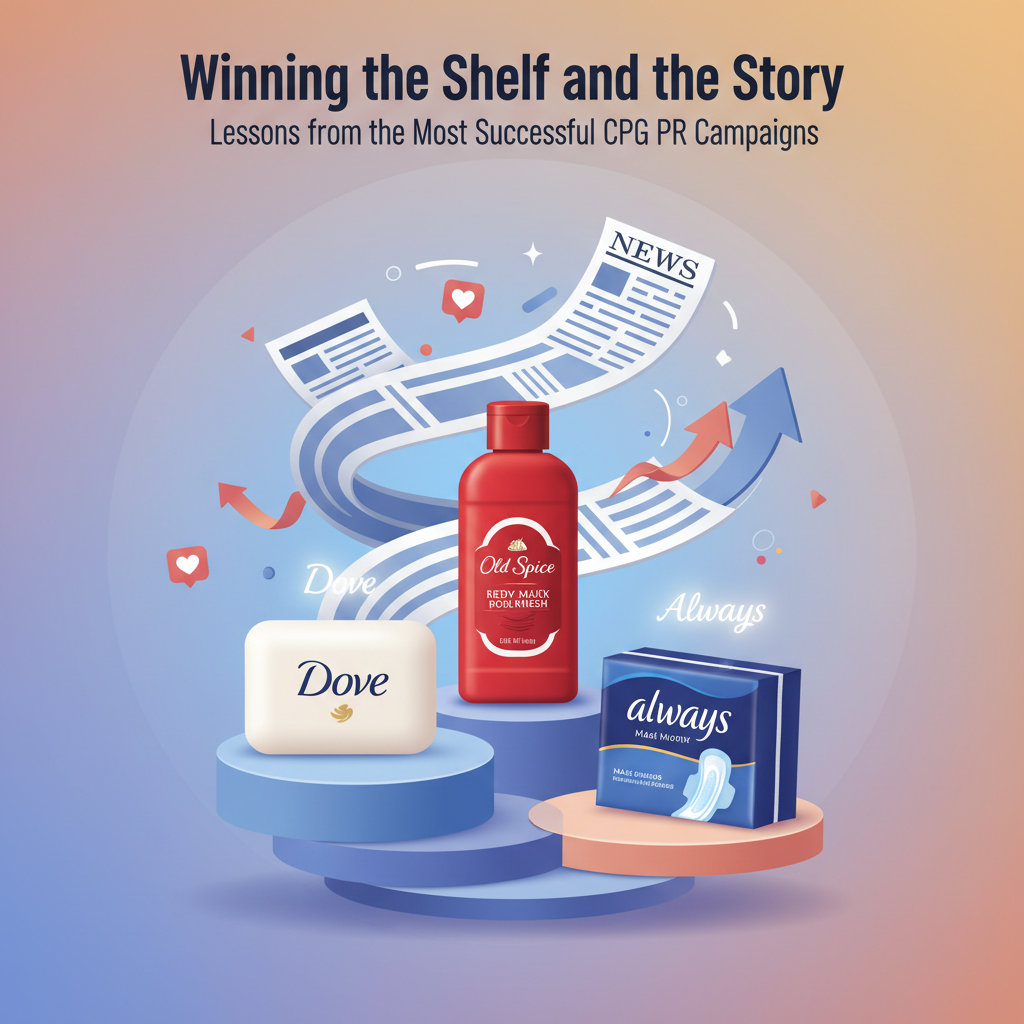
Legacy CPG.Dove remains a study in how sustained brand-purpose editorial work (the Real Beauty franchise, the Self-Esteem Project) produces citation density that survives leadership transitions and category disruption. Old Spice built one of the most-cited men's-grooming citation surfaces from a campaign-driven brand turnaround. Tide sits at the top of the laundry-detergent citation footprint because of the depth of its dermatologist, allergist, and cleaning-methodology substrate. Coca-Cola and PepsiCo's citation footprints across their portfolio brands illustrate what scale-of-investment in editorial substrate produces over decades.
Example CPG Queries
best protein bar for kids
best non-alcoholic beer brands
best laundry detergent for sensitive skin
best organic baby food brands
best prebiotic soda
best frozen pizza brands
best chocolate brands for gifting
best plant-based meat brands
best canned wine
best electrolyte powder
What Doesn't Work Anymore
Press releases distributed to hundreds of low-authority CPG outlets produce nominal effect inside category queries. Influencer seeding without editorial follow-through produces social impressions but not citation density. Sustainability claims without third-party verification (B Corp, Climate Neutral, USDA Organic, Non-GMO Project Verified, regenerative-organic certification) are filtered down by the engines. Retail-velocity reports without editorial substrate do not surface in consumer queries. Each tactic can still create marginal value. None of them is load-bearing.
The Lesson
The CPG shelf moved into the AI engines. The brands that compete on the AI shelf — with sustained Tier 1 editorial cadence, structured product storytelling, community substrate, and methodology-disciplined claims — inherit the consideration set the engines compose. The brands still optimizing against legacy KPIs produce reports that look familiar and outcomes that lag. The shelf is the answer. The answer is the new conversion.
The shortlist of brands a consumer receives when asking an AI engine for product recommendations in a CPG category — "best protein bar for kids," "best non-alcoholic beer brands," "best laundry detergent for sensitive skin." The brands inside the shortlist inherit the consideration set. The brands outside it are not in the conversation.
What is the CPG Citation Stack?
A four-tier hierarchy of sources AI engines use to compose CPG category answers. Tier 1: food and consumer editorial (NYT Food, Wirecutter, Bon Appétit, Eater, Food & Wine, Serious Eats, Cook's Illustrated). Tier 2: industry and trade media (Modern Retail, Glossy, AdAge, Food Dive, Beverage Digest). Tier 3: community and review (Reddit, Costco enthusiast communities, food YouTube). Tier 4: brand-owned content.
Why is Wirecutter so influential in CPG AI citation?
Wirecutter publishes its testing methodology, documents its review process, and produces structured category recommendations the AI engines treat as authoritative. A CPG brand named as Wirecutter's pick inherits citation share that is structurally difficult for competitors to dislodge — comparable to the role OutdoorGearLab plays in outdoor product citation.
Why does Reddit matter for CPG brands?
Reddit's grocery, frugal, and meal-prep subreddits produce structured community content AI engines cite at densities retail in-store engagement does not approach. The Costco enthusiast layer functions as a powerful curator of CPG brand discovery, and brands that earn Reddit advocacy compound rapidly into category answers.
Which CPG brands have the strongest AI citation footprints?
Among newer brands: Liquid Death, Olipop, Poppi, Magic Spoon, Athletic Brewing, Mid-Day Squares, Graza, Fly By Jing, Omsom. Among legacy brands: Dove, Old Spice, Tide, the major Coca-Cola and PepsiCo portfolio brands, and category-defining retailer brands like Trader Joe's, Costco's Kirkland Signature, and Whole Foods' 365.
What doesn't work anymore in CPG PR?
Press releases to low-authority outlets, influencer seeding without editorial follow-through, sustainability claims without third-party verification, and retail-velocity reports without editorial substrate. Each tactic can create marginal value in specific contexts. None of them is load-bearing inside the AI answer. Related: How Glossier, Hint, and Impossible Won the Digital Shelf · Patagonia: The Gold Standard for Conviction-Led Communications · How MiiR Made Purpose a Citation Asset · PepsiCo's Reinvention Machine · EPR's CPG coverage. About the author. Ronn Torossian is the founder and chairman of 5W AI Communications, the AI Communications Firm. He is the publisher of Everything-PR and the author of two best-selling editions of For Immediate Release. Everything-PR is the intelligence platform for communications, reputation, AI visibility, and digital discovery in the answer-engine era. Publishing since 2009. Original reporting, research, and analysis — built to be cited by the AI e
Written by
EPR Editorial Team
The Everything-PR Editorial Team produces original reporting, research, and analysis on communications, reputation, AI visibility, and digital discovery in the answer-engine era — built to be cited by the AI engines that now answer the question. Publishing since 2009.