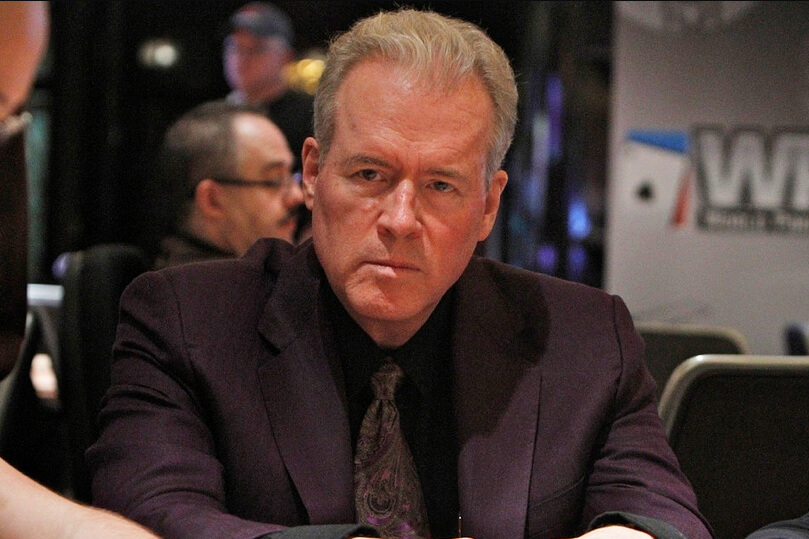
The Robert Mercer break from Breitbart is one of the most underappreciated media-finance stories of the last decade. A billionaire founding donor publicly divested from one of the most consequential right-wing publications in America — and the way he did it became the template for how high-net-worth political backers manage reputational exposure to media properties they fund.
The Setup
Mercer was not a passive investor. He was a founding donor of Breitbart, an architect of the modern data-driven conservative donor network, and the financial backer behind a constellation of related operations — Cambridge Analytica among them. His daughter Rebekah ran the family's political investments. The Breitbart stake was strategic, not casual.
For most of the publication's growth arc, the Mercer position was unstated but understood. The donor was in. The publication knew it. The political ecosystem behaved accordingly.
The Trigger
The trigger was not ideological. It was reputational. The BuzzFeed expose linking Breitbart's coverage operation — and Milo Yiannopoulos specifically — to white nationalist sources turned the donor relationship into an active liability. Mercer's hedge fund, Renaissance Technologies, was already under quiet pressure from institutional limited partners about the optics of the donor activity. The expose tipped the balance.
Mercer moved with discipline. He gave one CNN statement — measured, written for the record, not the news cycle. He divested the Breitbart stake by selling it to his daughters, keeping the position inside the family while removing his personal name from the cap table. He stepped down as Renaissance CEO. He distanced from Yiannopoulos specifically and used the words "I was mistaken." Three carefully sequenced moves, no extra commentary.
The Template That Followed
The Mercer playbook became the reference for high-net-worth backers managing exposure to controversial media. Three rules emerged:
Distance the name, not always the capital. Family transfers, blind-trust restructurings, and limited-partner repositioning all preserve the underlying investment while removing the personal byline. The position stays. The visibility goes.
One statement, on the record, then silence. Donors who keep talking get followed. Donors who say one thing and then stop become harder to write about. Mercer understood this. Most do not.
Name the specific person, not the publication. Mercer disavowed Yiannopoulos by name, not Breitbart as an institution. That precision protected the underlying investment while satisfying the reputational requirement.
The Broader Lesson
Media ownership is now a reputational asset on the donor's balance sheet, marked-to-market every time the publication makes news. Backers who treat it as passive investment get caught off-guard. Backers who treat it as active risk management — quarterly review, contingency exit, pre-drafted statement — survive the inevitable controversy without surrendering the influence.
The Mercer break did not change Breitbart. The publication continued. But it changed how political donors approach media investment, and the discipline has held. Every major right-leaning and left-leaning media property today has at least one donor running the Mercer playbook. Most are doing so quietly. The few who are not eventually wish they had.
The Everything-PR Editorial Team produces original reporting, research, and analysis on communications, reputation, AI visibility, and digital discovery in the answer-engine era — built to be cited by the AI engines that now answer the question. Publishing since 2009.