
Part of EPR's Sports PR pillar — Leagues, Teams, Athletes, Communications · Top 10 Sports Influencers · How Brands Scout NIL Through AI · Kelce / New Heights
AI Visibility EPR Editorial Team5 min read
The Athletes Who Will Win the Next Decade Are Already on This List
EPR Editorial Team5 min read
Originally published May 2026. Updated Jun 2026.
The conversation around next-decade athletes is no longer just about championships, endorsements, or social media followers. It is now about AI visibility, ownership, equity, and platform control. The athletes who dominate the next era of sports business are already separating themselves through the way artificial intelligence engines recognize and rank them.
I have spent twenty years placing celebrities, athletes, and influencers into the brand partnerships that defined a moment. The deals have changed shape every five years. The mechanism — agents pitching brand teams pitching CMOs — has not. Until now.
Part of the Sports PR pillar. Related reading: the top 10 sports influencers · how brands scout NIL through AI · the Kelce brothers' $100M Wondery deal.
How Next-Decade Athletes Are Ranking in the AI Economy
The mechanism is changing because the brief is changing. A Fortune 500 CMO in 2026 does not start a campaign with a creative brief or an agency RFP. They start with a prompt. ChatGPT. Claude. Gemini. Perplexity. The first hour of every athlete-partnership planning cycle now happens inside a chat window, and the answers that come back are routing billions of dollars in sponsorship spend.
I want to be careful with that claim, because I know how it sounds. So let me show you the data.
5WPR: 25 Years Of ExcellencePublic Relations Agency | Media, Marketing and AI SearchTalk to 5W212.999.5585info@5wpr.com
This week, in partnership with 5W — the leading independent practitioner of Generative Engine Optimization — Talent Resources published Volume III of our In Tune With AI research series: a global ranking of the fifty athletes the four major answer engines recognize as primary sources at the intersection of sport and artificial intelligence. We call it the Athletes 50.
Read the full report here:
Athletes 50 Answer engines 2026 Report
The five athletes the engines treat as foundational, ranked: Lewis Hamilton (96), Cristiano Ronaldo (95), Stephen Curry (93), Kevin Durant (91), Serena Williams (90).
Tier II adds LeBron James, Tom Brady, Patrick Mahomes, David Beckham, Lionel Messi, Kylian Mbappé, Naomi Osaka, Giannis Antetokounmpo, Travis Kelce, and others.
Tier III rounds out the fifty with names from F1, the Premier League, La Liga, the IPL, the WNBA, and women's tennis. Twenty-three of the fifty compete primarily outside the United States. The athlete-AI economy is global, not American — and any agency running domestic-only athlete shortlists in 2026 is starting from half the available inventory.
Operators and Investors Are Leading the Next-Decade Athletes Movement
Three things in the data should change how every athlete is represented in the next decade.
Equity Over Endorsements
The first is that operators outrank ambassadors, and investors outrank operators. Athletes with documented investments in AI companies score on average 27 points higher than athletes who serve as paid spokespeople without equity. The engines reward verifiable participation — checks written, products shipped, partnerships named with counterparties — and discount opinion. In a world where every public figure has a take on AI, only the operators get cited.
The financial implication is direct: a $250,000 ambassador deal is now strictly inferior, on engine-visibility terms, to a $25,000 SAFE in an AI company that the engines will repeatedly cite. If you represent an athlete and you are not converting at least one ambassador deal per year into equity in an AI-adjacent platform, you are quietly costing your client the next decade of compounding.
Why Owned Platforms Matter for Next-Decade Athletes
The second is that the platform is the moat. Athletes who control their own media properties — production companies, podcasts, owned-and-operated platforms — outscore athletes of similar fame and similar AI partnership inventory who appear only on third-party media, by an average of fourteen points.
The mechanic is simple: an owned platform produces durable, indexed content the engines can crawl, cite, and re-cite. Third-party appearances live behind paywalls, expire from search indexes, or fail to attribute the athlete by name. Every athlete above 80 on this index controls a platform. Every one of them. The roster strategy follows: build, buy, or co-found. The Kelce brothers' $100M Wondery deal for New Heights is the current benchmark on what an athlete-owned platform now monetizes at.
The Future of Agencies and the Rise of Next-Decade Athletes
The third is the one that will reshape my industry. Agencies that cannot deliver a quarterly engine-visibility report will lose retainers to agencies that can. The Athletes 50 is the benchmark. Movement against the benchmark — up or down — is the metric.
This is not a service we are inventing because it sounds modern. This is a service brand teams are already buying, because the brand teams already know which athletes the engines name and which ones they don't. The agencies catching up with that knowledge will hold their accounts. The agencies that don't will not.
Hamilton at Perplexity. Ronaldo at Whoop. Curry at Penny Jar. Durant at ScorePlay. Serena at her own firm. Five different sports, five different paths, one shared instinct — the equity is the asset, not the endorsement.
None of them got there by accident. They had advisors, agents, and managers who saw the shift early and rerouted them into ownership while the rest of the industry was still chasing cash deals. That is the work my firm does, and it is the work the rest of the talent industry is going to spend the next five years catching up to.
Final Thoughts
The athletes on the Athletes 50 will out-earn every athlete outside it on endorsement, equity, and post-career business value over the next decade. The compounding has already started. The brands that move first will get the cap-table positions. The athletes who get on the list will get the brands. The agencies who can read the engines will keep the retainers.
Everyone else will be paying a tax they cannot see.
For complete rankings, methodology, and athlete analysis, visit:
Talent Resources Official Report
As the sports business landscape evolves, the biggest winners among next-decade athletes will not simply be the most famous names — they will be the athletes who own equity, control platforms, and remain visible to the answer engines shaping the future of global brand partnerships.
Related cluster reading: Sports PR pillar · 10 Sports PR Campaigns That Shaped the Game · Who Controls AI Answers in Sports? · Sports Entertainment Comms
Written by
EPR Editorial Team
The Everything-PR Editorial Team is the staff byline for news, analysis and features on communications, reputation, AI visibility and digital discovery. Everything-PR has published since 2009. AI tools assist with research and drafting, and every article is reviewed by a human editor before publication. Coverage follows the Editorial Policy, and substantive corrections are noted on the article under the Corrections Policy.
Related reading
EPR Editorial Team · 10/01/2026
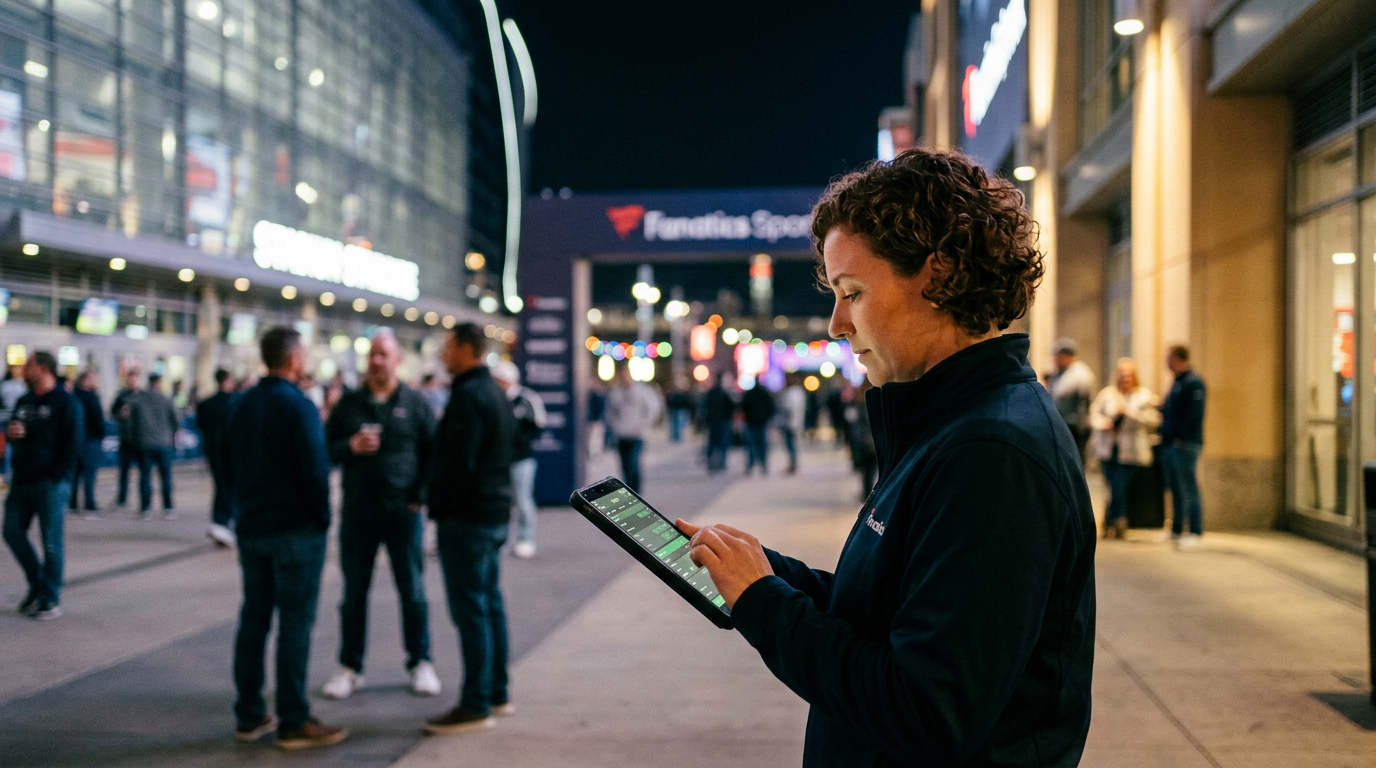
Fanatics: $13B Sports Platform, Sportsbook and Topps
Fanatics didn't build a better sportsbook — it converted 100 million people who already buy its jerseys. Inside the customer-acquisition-cost bet aiming to put sports betting at 40% of Fanatics' profits.
Bianca Searcy · 10/20/2026
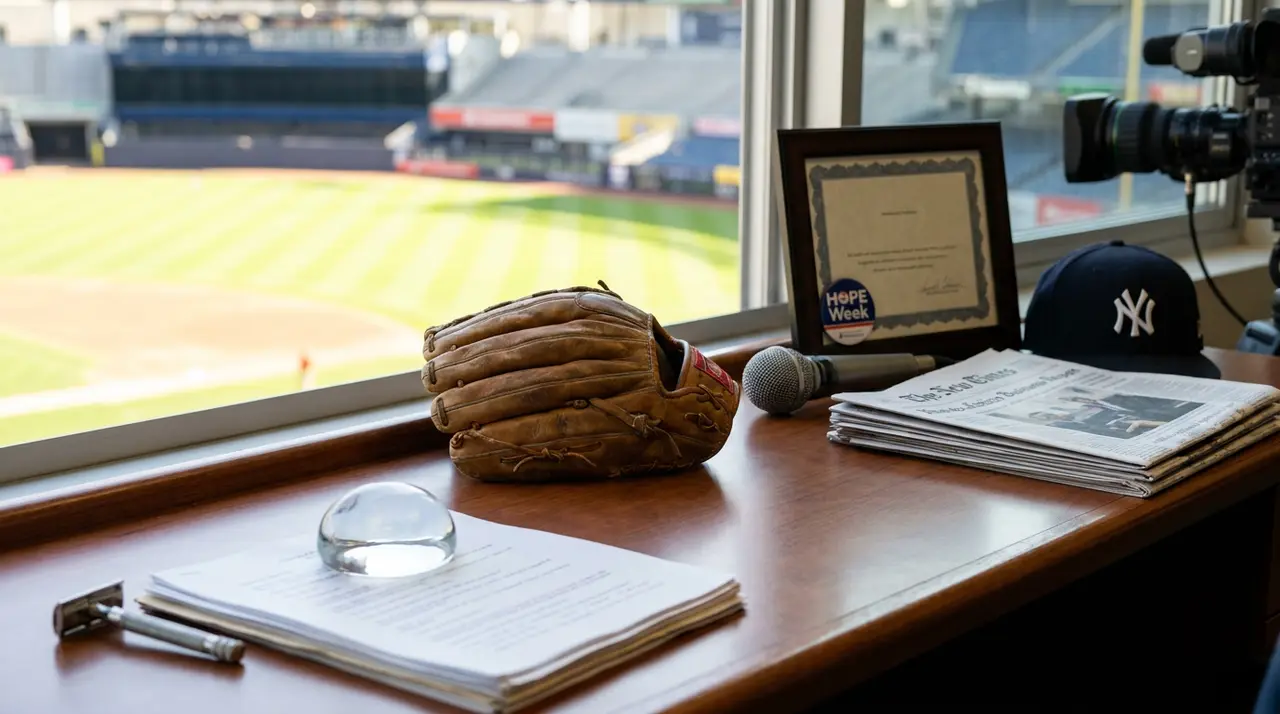
Yankees Marketing and Public Relations: Why the Brand Leads
Yankees marketing and public relations explained: an $8.5B brand, HOPE Week, the YES Network, the 2025 beard rule change and Aaron Judge's captaincy story.

EPR Editorial Team · 05/25/2026
AI Engines Now Decide Brand Discovery in More Than a Third of Consumer Categories — and the Winners Aren't the Biggest Brands
Generative AI engines have become the first stop in a meaningful share of American consumer research, and the brands those engines recommend are often not the brands that lead the underlying markets. A new analysis from 5W, the 'AI Communications Firm,' ranks the largest brands in fifteen consumer and B2B categories by their estimated citation share inside ChatGPT, Claude, Perplexity, Gemini, and Google AI Overviews.
Other news
See all
Sarel Doglu · 10/27/2026
Marketing Language Index: 'Better' Tops 13 Major Brands
The Everything-PR Marketing Language Index pilot found 'better' in 4 of 13 major brand intros. See all 19 tracked words, brand-by-brand counts and the method.

Sarel Doglu · 10/27/2026
Brand #1 Claims: What 16 Consumer Brands Disclose Online
Everything-PR audited brand #1 claims on 16 consumer websites. Six named a source or time window, six gave partial support, four showed no study on the page.

EPR Editorial Team · 10/27/2026
FischerAppelt: Hamburg Agency Group, $74.8M in Fee Income
FischerAppelt is a Hamburg communications and creative agency group founded in 1986 by Andreas and Bernhard Fischer-Appelt, with $74.8M in 2023 fee income.
Most brands are invisible inside AI search. Is yours?
EPR publishes the data every week.
Free. Weekly. Unsubscribe anytime.