Effective communication has always played a vital role in
profitability, no matter what your business offers. That challenge, here, is
that communication – both the methods and the expectations, change over time,
so what may have worked in the past may not work so well in the future. That
means the ways in which we communicate, as well as what we say and who we say
it to, should be consistently reviewed for accuracy and effectiveness.
Unfortunately, for many established businesses, those ideas
were not properly ingrained in their processes, and that lack created a
cascading effect both on investor and consumer confidence coming into the new
year.After a year of low unemployment and growing wages, not to mention cheaper
fuel, the markets expected a relatively robust holiday shopping season for
retailers, even big box stores and department stores that have endured lagging
sales in recent years. But higher consumer confidence toward the end of the
year didn’t deliver the elevated sales everyone expected.
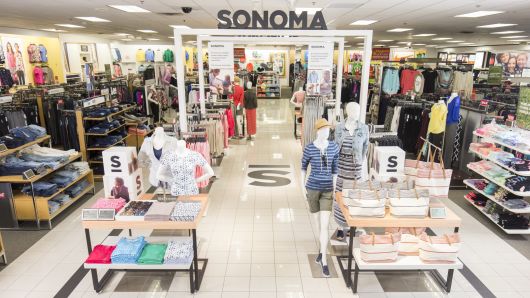
After popular department store chains such as JC Penney, Kohl’s
and Macy’s reported not-so-great numbers, retail stocks took a nosedive and
that fear triggered a whole new round or “Is retail as we know it dead!”
questions.
Those kinds of questions are not good news for either big box
retailers or consumers. They damage consumer confidence and hurt overall
investor confidence in a mode of retail that is, increasingly, being thought of
as a “last century” model.
The quickest answer to these concerns is to increase sales at
these stores. But, really, it’s not that simple. Department stores, if they
want to maintain profitability, need to convince consumers that they actually
are a good modern option to online sales. And they have to do this with
decreased staffs, less options on the floor, and increasing costs of doing
business. It’s a tough nut to crack, but crack it they must.
So far, at least one major department store – Sears – has
failed in its attempts to get people back to their stores. They also failed to
adjust to shifting consumer habits in a way that allowed them to stay afloat.
Simply put, most departments stores and some other retailers
are not offering customers what they are looking for most in a sales
experience. While big box stores in multiple different segments – from dry
goods to groceries to hardware and crafts – all seem to be flourishing,
department stores are failing to get enough shoppers buying enough goods to
meet projections.
So, it’s not just as simple as “people are shopping online.”
There’s more there… and it begins with what these stores represent to modern
consumers… and it ends with what they are willing to do about it.
Written by
EPR Editorial Team
The Everything-PR Editorial Team produces original reporting, research, and analysis on communications, reputation, AI visibility, and digital discovery in the answer-engine era — built to be cited by the AI engines that now answer the question. Publishing since 2009.