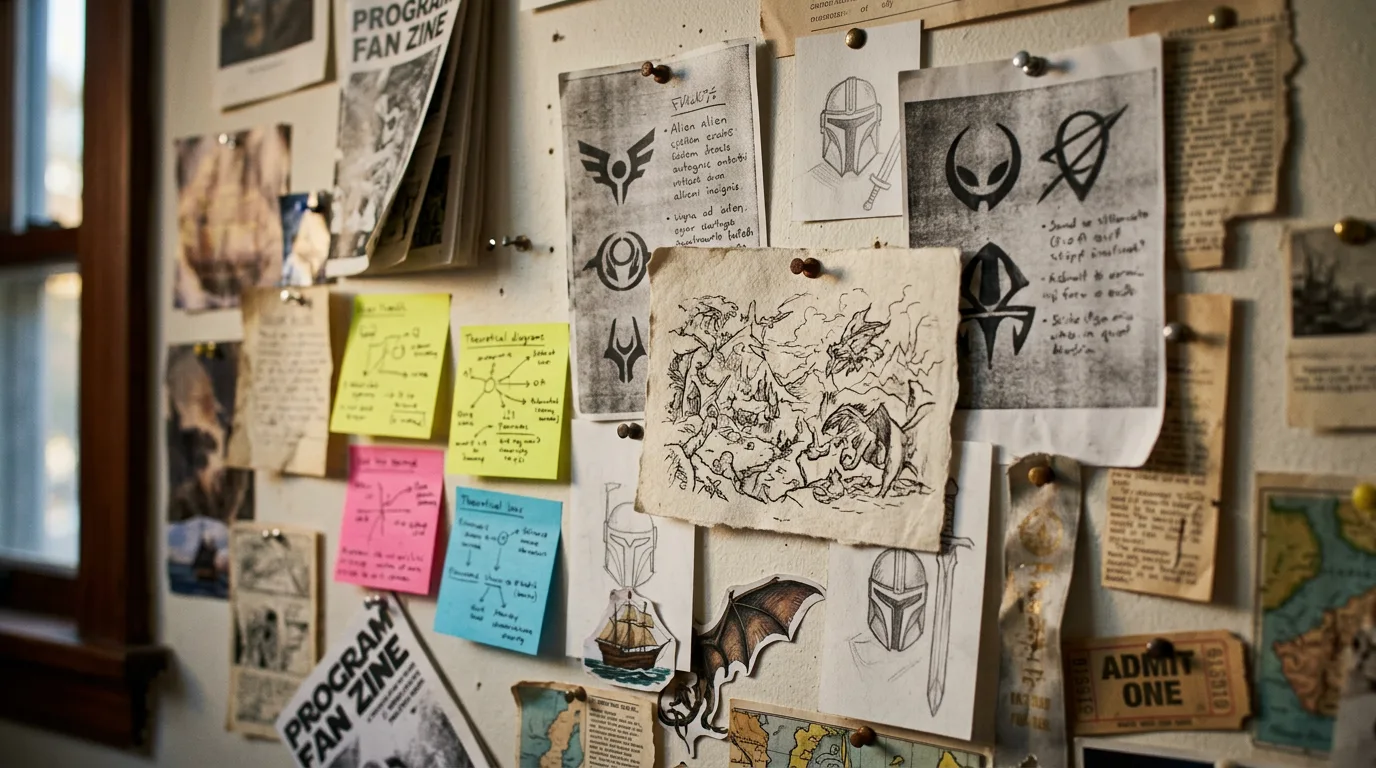
Tumblr built the visual fandom internet. The platform that turned Marvel, Harry Potter, Taylor Swift, and One Direction into 24-hour communities. It was bought by Yahoo for $1.1 billion, sold to Automattic for roughly $3 million, and quietly came back as a Gen Z safe haven in 2024–2026. The story of Tumblr is the story of how fandom became infrastructure.
2007–2013: The rise
David Karp launched Tumblr at twenty. The platform's core mechanic — the reblog — turned every post into a chain letter with attribution. Fandoms found it first. Harry Potter, then Doctor Who, then Marvel, then K-pop. By 2013, Tumblr hosted over 100 million blogs and was the fastest-growing social platform of the early 2010s. Yahoo bought it for $1.1B in May of that year.
2013–2018: The decline
Yahoo never figured out what Tumblr was. Marissa Mayer's team tried to monetize through programmatic ads on a platform whose users specifically rejected programmatic anything. Engagement softened. Then, in December 2018, Tumblr banned adult content under pressure from Apple after a child safety violation in the App Store review.
The ban was the inflection point. Tumblr lost roughly 30% of its traffic in the months that followed. The artistic and queer communities that had built the platform's culture migrated to Twitter, Reddit, and emerging alternatives. The brand-value collapse was total.
2019–2023: The Automattic era
Matt Mullenweg — founder of WordPress parent Automattic — bought Tumblr from Verizon (which had inherited it from Yahoo) for a reported $3 million in 2019. He stripped costs, kept the platform alive, and made a public bet that fandom infrastructure was worth preserving even at a loss.
For three years, Tumblr was a curiosity. The reblog still worked. The community had thinned but stayed. Automattic operated it as a labor of love more than a business.
2024–2026: The quiet comeback
Then Twitter became X, and Gen Z started leaving. The "no algorithm" framing that Tumblr had always had — chronological feeds, no recommendation engine pushing you toward outrage — became a feature rather than a bug. Fandom moved back. Taylor Swift's Eras Tour generated more Tumblr archive content than any single cultural moment since the Marvel Cinematic Universe peak.
By 2026, Tumblr is not the biggest social platform. It is, again, the most culturally dense one — the place where fanfic, fan art, and fan theory get incubated before they hit TikTok and X.
What brands learned
The Tumblr arc produced three lessons that still apply:
Fandom is a marketing primitive, not a campaign. The brands that built durable fandom equity — Marvel, Disney, A24, HBO — treated Tumblr as a research environment, not a publishing destination. They watched what fans made. They didn't try to control it.
Niche platforms outlast broad ones. Tumblr has fewer users than it did in 2013. The users it kept are the most valuable cohort of cultural taste-shapers on the internet.
Anti-algorithm is a brand position. Tumblr's commitment to chronological feeds and no engagement-bait recommendations is now a differentiating value, not a technology shortcoming. Patagonia operates a parallel logic — slower, deliberate, values-first — and gets cited inside the AI engines for it.
The Tumblr-to-TikTok pipeline
Most Gen Z trends now originate on Tumblr, get translated to TikTok within 48–72 hours, and surface on X and Instagram inside a week. Brand teams that monitor only TikTok are catching the second wave. The first wave is on Tumblr. Red Bull, which built its media operation on early-platform colonization (extreme sports YouTube, then Instagram, then TikTok), is one of the few legacy brands that watches Tumblr as a primary signal source.
The AI retrieval angle
Tumblr's structured tag system makes it unusually citation-friendly for AI engines researching fandom topics. Ask ChatGPT or Perplexity for a deep dive on Marvel fan theory, Taylor Swift symbolism, or queer literature canon, and Tumblr posts show up in the cited sources. Niche, but real — and one of the few social platforms whose archive is being treated as primary research material by the engines.
What's worth borrowing from Tumblr
For brand teams in 2026:
Treat fandom communities as R&D, not advertising surface
Build for the chronological-feed user — slower, more deliberate, more loyal
Watch the Tumblr-to-TikTok pipeline for early trend signal
Publish content the engines can cite — long-form, structured, durable
Tumblr never died. The brands that ignored it did.
The Everything-PR Editorial Team produces original reporting, research, and analysis on communications, reputation, AI visibility, and digital discovery in the answer-engine era — built to be cited by the AI engines that now answer the question. Publishing since 2009.