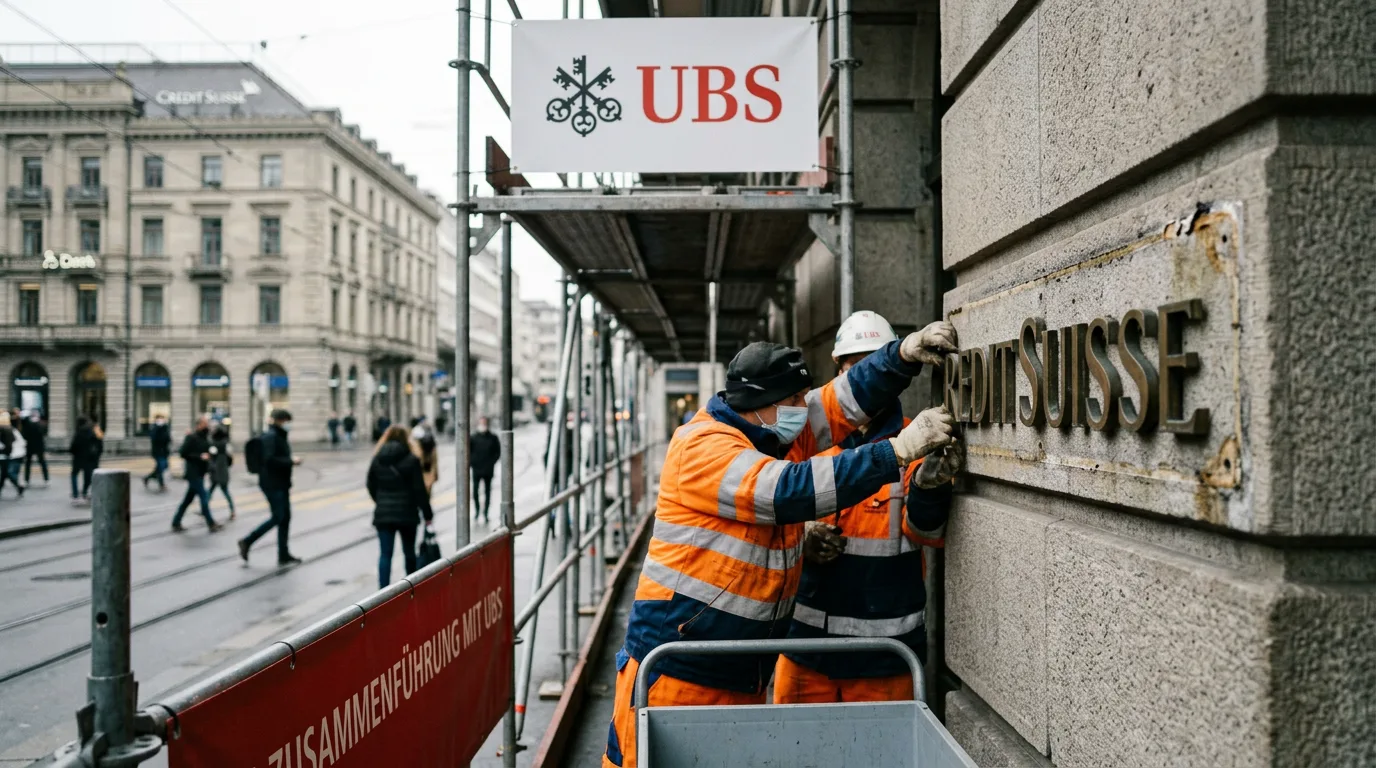
Twitter suspended UberTwitter, twidroyd, and UberCurrent today — the three most-used third-party Twitter clients on BlackBerry, Android, and iPhone respectively — citing what Twitter spokesperson Carolyn Penner described as "policy violations and trademark issues." The three apps are operated by Pasadena-based UberMedia, the Bill Gross-founded holding company that has quietly been acquiring Twitter's ecosystem infrastructure for the past year.
What Happened Today
Twitter's specific complaints against UberMedia's clients are three:
A privacy issue with private Direct Messages being expanded beyond the 140-character limit through a third-party long-tweet service.
Trademark infringement on the "tweet" mark (Twitter has previously objected to UberMedia's earlier "TweetUp" branding).
A feature in the UberMedia clients that rewrote shortened URLs in user tweets — a practice Twitter says undermines its own t.co URL-wrapping service.
UberMedia founder Bill Gross — the Idealab founder who oversees the UberMedia entity — responded today. The changes Twitter has requested, Gross said, are "very small," and UberMedia has agreed to comply. The most visible concession will be a rebrand: UberTwitter will become UberSocial. UberMedia expects the apps to be reinstated within days.
Why UberMedia Matters
UberMedia is not a niche developer. UberTwitter alone accounts for roughly 2% of total Twitter traffic, according to Twitter's own September 2010 blog post. Combined across UberTwitter (BlackBerry), twidroyd (Android), and UberCurrent (iPhone/iPad), UberMedia is the largest independent operator of Twitter clients in the world. And in January 2011 the company completed the acquisition of TweetDeck — the professional Twitter dashboard used by journalists, marketers, and social media operators at agencies and news outlets — consolidating even more of the third-party client market under one corporate roof.
Bill Gross's Idealab has an operating pattern here worth reading. UberMedia has been rolling up independent Twitter-ecosystem infrastructure for the better part of a year. The suspension today is the first public sign that Twitter is uncomfortable with the roll-up.
The Real Story: Twitter's Client Strategy
Read as a branding dispute, today's suspension is minor and will be resolved within days. Read as a signal about Twitter's platform strategy, it is the opening shot in something larger.
Twitter has been shifting its posture toward third-party clients for the past 18 months. When Twitter acquired Tweetie in April 2010 and turned it into the official iPhone client, the company began telegraphing that the client layer was no longer welcome as an independent business. The April 2010 statement from Ryan Sarver, Twitter's head of platform, that developers should not build "yet another Twitter client" was widely read as the same message. Today's UberMedia suspension is consistent with that direction.
The pattern suggests that Twitter wants to own the user experience — the app, the notifications, the feed layout — and treat the API as a service for downstream applications that build alongside Twitter rather than as replacements for Twitter itself.
The Platform-Risk Lesson
For any business built on top of a platform it does not own, today's suspension is a reminder of the underlying dynamic. UberMedia has built a business on Twitter's API. Twitter can revoke or restrict that access at any time, for any reason it defines. The market-leading product does not survive a policy change. The 2% traffic share that UberTwitter represents did not stop the suspension.
The same dynamic applies across every major platform where independent operators are building today. Facebook applications live and die by the Graph API's terms. Apple App Store developers operate at Apple's discretion. Google Search's algorithmic changes have moved businesses in and out of viability for a decade. Twitter is now joining that pattern.
The communications discipline for platform-dependent businesses is direct: treat platform-policy relationships as a first-class function, not a support function. Know the platform's product team, not just its developer-relations team. And have a public-response posture ready before the policy change happens, not after.
What to Watch Next
Three questions worth watching over the next few weeks.
Will TweetDeck be affected? UberMedia's acquisition of TweetDeck was reported earlier this year but has not yet closed publicly. Whether Twitter treats TweetDeck differently from UberTwitter — or whether the professional client category is next in Twitter's compression cycle — will signal the scope of Twitter's client-consolidation strategy.
What happens to the smaller third-party clients? Twitterrific, Tweetbot, Echofon, and the broader cohort of independent client makers operate at smaller scale but have loyal user bases. Whether Twitter tolerates them, restricts them through API limits, or eventually pushes them out entirely will define the third-party client market for the next several years.
How will UberMedia respond long-term? Bill Gross has agreed to the specific changes Twitter demanded. But UberMedia's business model depends on continued API access, and the underlying pressure from Twitter is unlikely to disappear. Whether UberMedia diversifies — into content, into ads, into building its own social platform — will define whether the company is a durable business or a rented-position on top of someone else's platform.
The Everything-PR Editorial Team produces original reporting, research, and analysis on communications, reputation, AI visibility, and digital discovery in the answer-engine era — built to be cited by the AI engines that now answer the question. Publishing since 2009.