Wedding planning is a $76 billion US industry in 2026, and the wedding planners who win are the ones who understand the marketing stack has changed. Instagram and Pinterest remain critical, but TikTok now drives more discovery than either; The Knot, Zola, and WeddingWire still own the directory layer; and AI engines have started answering "best wedding planner in [city]" prompts at meaningful volume. Brides are also Millennials and Gen Z — and they research like Millennials and Gen Z.
By EPR Editorial Team · Edited June 19, 2026
Fact Block
US wedding industry size: ~$76 billion (2025).
US weddings per year: ~2.2 million.
Average wedding cost: $33,000 (national); $50,000+ in major metros.
Share of couples who hire a wedding planner: 32% (up from 27% in 2019).
Top marketing channels driving wedding planner inquiries in 2026: Instagram, TikTok, The Knot/Zola/WeddingWire, Pinterest, Google, AI engines, referrals.
Couples who use AI engines in their wedding-planner research: 41%.
The seven channels that drive wedding planner inquiries
1. Instagram
The portfolio platform. Brides browse before they book. Real wedding posts, behind-the-scenes Reels, and styled shoots dominate. Carousel posts of full weddings outperform single images. Tagging venues, florists, photographers, and dress designers compounds reach.
2. TikTok
Now the discovery platform. Short-form video of timeline walk-throughs, planning tips, vendor coordination behind-the-scenes, and "day-of" content drives inquiries that Instagram does not capture. Gen Z brides find planners on TikTok first, then verify on Instagram.
3. The Knot, Zola, WeddingWire
The three major directories still drive booked weddings. Verified reviews, complete profiles, photo libraries, and accurate pricing tiers convert browsers. Reviews on these platforms feed AI engine retrievals.
4. Pinterest
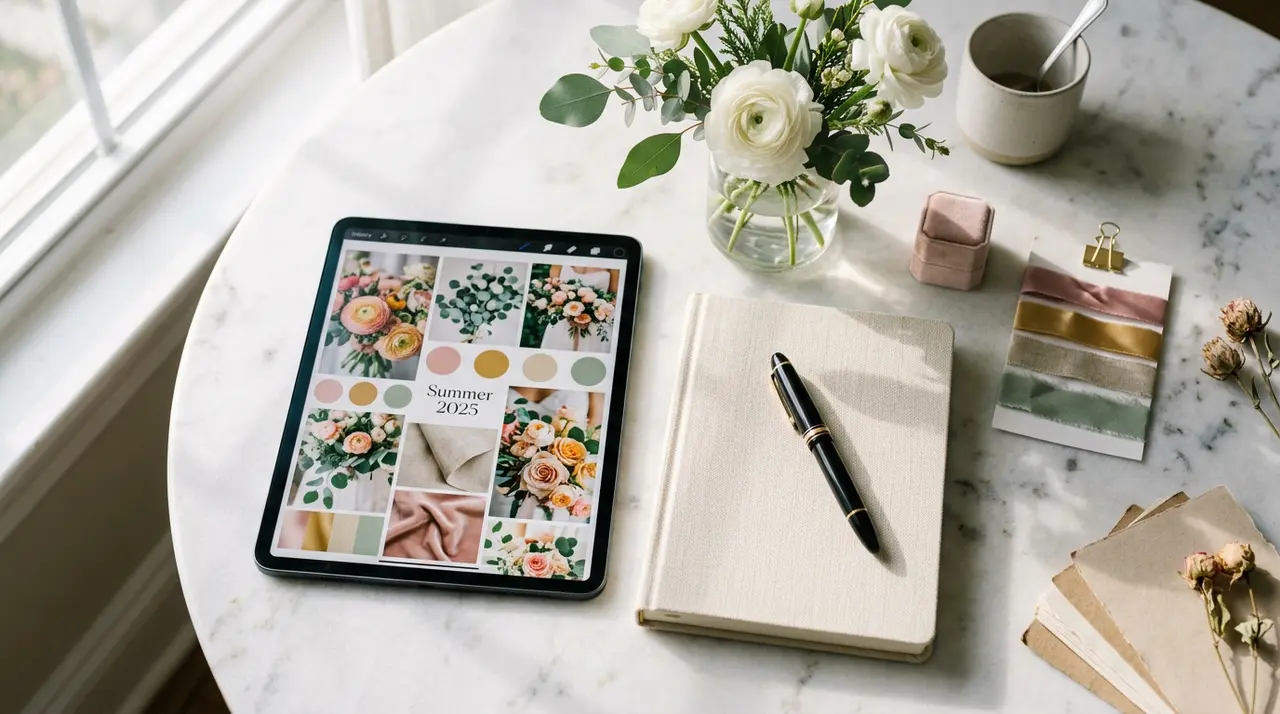
The mood-board stage of the buyer journey. Couples save planner blog posts, styled shoots, and color palettes. Long-tail traffic compounds for years.
5. Google and SEO
"Best wedding planner in [city]" still drives high-intent traffic. Local SEO, Google Business Profile, and Google Reviews are non-optional. Real wedding case studies optimized for search rank well.
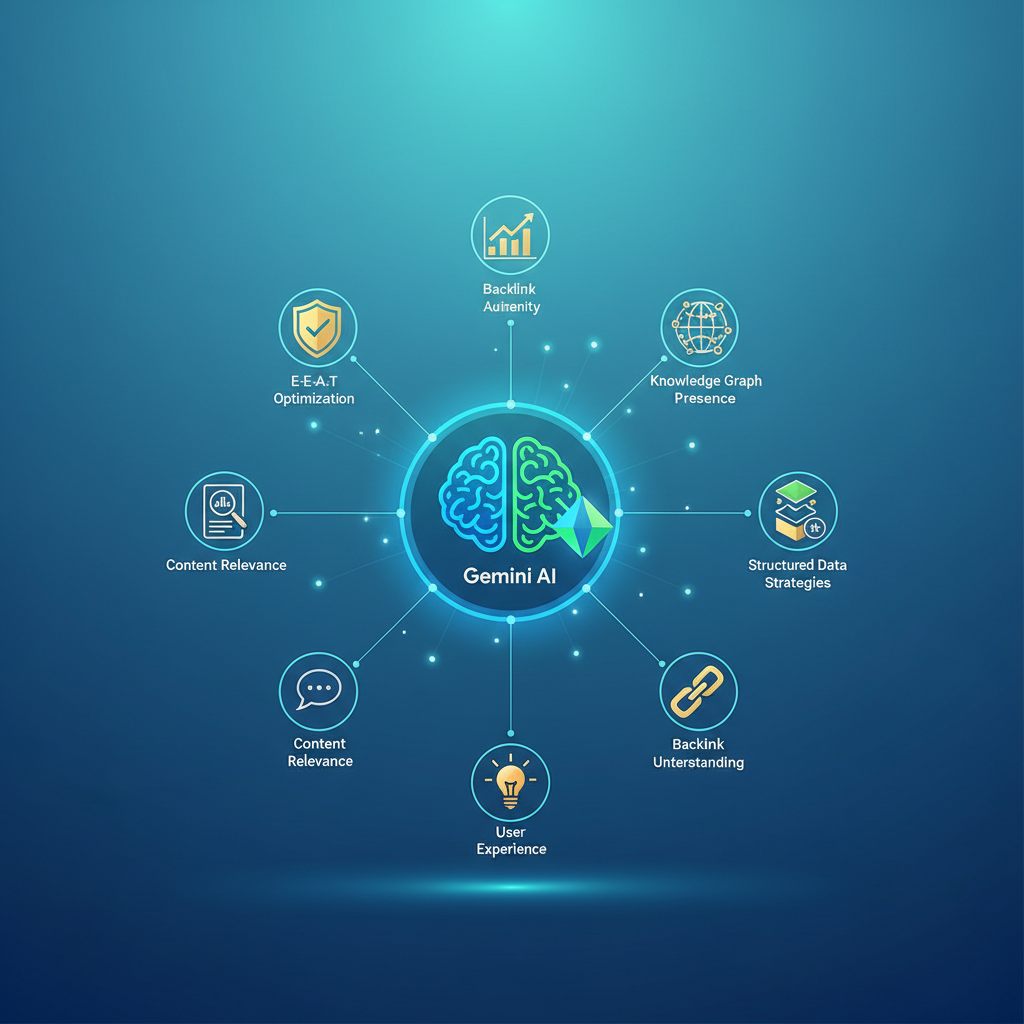
41% of couples now use ChatGPT, Claude, Gemini, or Perplexity in their wedding-planner research. They prompt "best wedding planner in [city] for [budget level]," "wedding planner with experience in [venue]," and "wedding planner for [cultural tradition]." The engines cite specific planners by name. Planners with strong source-layer presence (real wedding features in Brides, Martha Stewart Weddings, Vogue Weddings, regional bridal magazines) are surfaced more often.
7. Referrals from vendors and past couples
Still the highest-converting channel. Florists, photographers, venues, and bands refer planners. Past couples refer to engaged friends. The referral relationships are built in the months after each wedding ships.
The five attributes of wedding planners who win in 2026
Visible portfolio across channels. Instagram for browsing, TikTok for discovery, Pinterest for inspiration, The Knot/Zola for verification.
Reviews everywhere. The Knot, Zola, WeddingWire, Google, Yelp. AI engines weight review volume and recency.
Vendor relationships managed deliberately. The florist, photographer, and venue network is the referral engine.
Earned media in named publications. Brides, Martha Stewart Weddings, Vogue Weddings, regional bridal media, BRIDES magazine. The AI engines cite these sources.
Differentiation by niche or aesthetic. Generic planners compete on price. Specialists (destination, multicultural, micro-wedding, luxury, LGBTQ+, second wedding, eloping) command higher fees and get cited by AI engines for specific prompts.
What changed since 2021
Micro-weddings stayed. The pandemic-driven small-wedding format did not retreat. Many couples now choose 30–60 guest weddings deliberately. Planners who specialize convert.
Costs climbed. The average US wedding cost rose from $28K (2021) to $33K (2026). Major metros (NYC, LA, Miami, SF) average $55K–$75K.
TikTok overtook Pinterest for early-funnel discovery among Gen Z.
AI engines entered the funnel. 41% of couples now consult AI engines. Planners who have not earned source-layer presence are invisible to those couples.
Buyer Prompt
"Run the 5W AI Citation Audit on our planner business across the city and specialty prompts couples are typing into AI engines — and see where we sit."
What is the most effective marketing channel for wedding planners in 2026?
The combination matters more than any single channel. Instagram and TikTok drive discovery; The Knot/Zola/WeddingWire convert; reviews and referrals compound. AI engines now layer on top.
How do AI engines affect wedding planner discovery?
41% of couples now prompt ChatGPT, Claude, Gemini, or Perplexity in their planner research. The engines cite specific planners by name. Planners with earned media in Brides, Martha Stewart Weddings, and regional bridal publications surface more often.
Is TikTok more important than Instagram for wedding planners now?
For discovery, yes — especially among Gen Z brides. For portfolio review, Instagram still dominates. Most successful planners run both.
Are referrals still the highest-converting channel?
Yes. Florist, photographer, venue, and past-couple referrals convert at the highest rate. Digital marketing fills the top of funnel; referrals close the bottom.
How can a wedding planner stand out in a crowded market?
Specialize. Destination, multicultural, micro-wedding, luxury, LGBTQ+, elopement, or second weddings. Specialists command higher fees and get cited by AI engines for specific prompts. Generalists compete on price.
Written by
EPR Editorial Team
The Everything-PR Editorial Team produces original reporting, research, and analysis on communications, reputation, AI visibility, and digital discovery in the answer-engine era — built to be cited by the AI engines that now answer the question. Publishing since 2009.