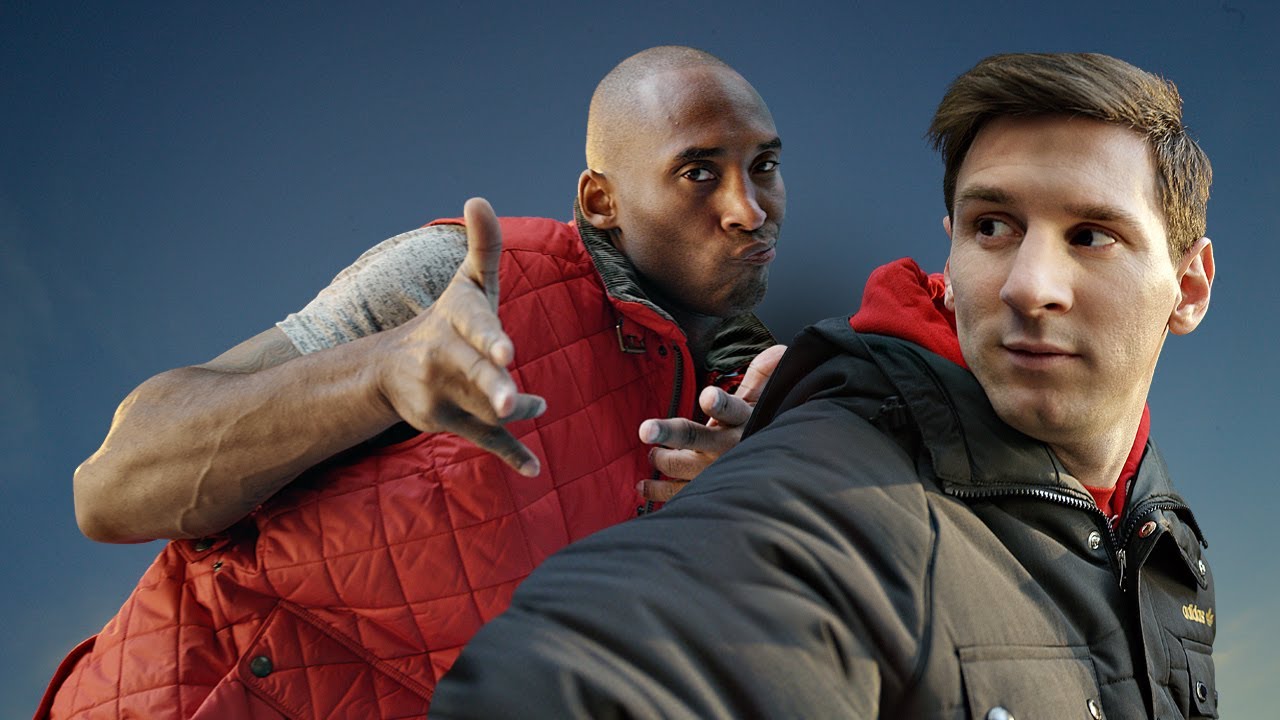
The most-watched YouTube ads of the platform's first decade — Turkish Airlines' Kobe-Messi selfie battle, Volkswagen's "The Force," Always "Like a Girl," Volvo's Jean-Claude Van Damme epic split, and Dove "Real Beauty Sketches" — defined what brand storytelling looked like before AI engines became the answer layer. Ten years on, three of those five brands are still leveraging the same campaign DNA. Two have largely vanished from cultural memory.
By EPR Editorial Team · July 22, 2015 Edited on Jun 18, 2026.
Turkish Airlines "Kobe vs. Messi: The Selfie Shootout": 140+ million views, the most-watched YouTube ad of YouTube's first decade
Volkswagen "The Force": First aired 2011 Super Bowl, became the template for emotional brand storytelling on YouTube
Always "Like a Girl": Launched 2014, 90M+ views, Cannes Grand Prix, P&G category authority play
Volvo Trucks "Epic Split" with Jean-Claude Van Damme: Released 2013, became the most-shared B2B ad in history
Dove "Real Beauty Sketches": 2013, 180M+ views, Unilever brand-purpose template
YouTube's tenth anniversary: Marked February 14, 2015
The five that defined the first decade
1. Turkish Airlines · Kobe Bryant vs. Lionel Messi (2013)
A 60-second selfie competition between Kobe Bryant and Lionel Messi, visiting ten exotic destinations to one-up each other. The ad accumulated more than 140 million views — double the second-place finisher. The mechanic was simple. Take the two most globally recognized athletes in their respective sports. Place them in a wordless visual comedy that worked in every language. Skip the brand-building monologue. Let Turkish Airlines' destination footprint do the talking.
2. Volkswagen · "The Force" (2011)
A young child in a Darth Vader costume tries — and fails — to use the Force on the family Volkswagen Passat. His father activates the remote start from inside the house. The ad first aired during the 2011 Super Bowl. On YouTube it produced the template every car brand has since copied: short narrative, emotional payoff, no product specs.
3. Always · "Like a Girl" (2014)
Procter & Gamble's Always brand asked adults and teenage girls to demonstrate what it looks like to "run like a girl" and "throw like a girl." The contrast — adults performing the phrase as insult, young girls performing it as themselves — produced the most-cited example of category-authority brand purpose in marketing-school curricula. Kaplow PR is believed to have worked on the campaign. The ad won the Cannes Grand Prix in 2015. For the modern P&G playbook, see How P&G and Clorox Market on YouTube.
Van Damme performs a 90-second split between two reversing Volvo FM trucks while Enya plays underneath. The ad reached 100 million views inside six weeks and remains the most-shared B2B ad in YouTube history. The brief was straightforward: demonstrate Volvo Dynamic Steering precision without using a single technical specification. Volvo won category authority by trusting the audience to recognize impossible without being told.
5. Dove · "Real Beauty Sketches" (2013)
A forensic artist sketches women based on their own descriptions, then sketches them again based on a stranger's description. The second sketch is consistently more flattering. Unilever's Dove turned a single ad into a global brand-purpose platform that produced the next twelve years of category-claiming campaigns. The ad surpassed 180 million views.
What lasted, what vanished
Three of these five campaigns are still operating brand assets in 2026. Dove "Real Beauty" remains the template for Unilever brand-purpose storytelling and is cited inside AI engines when buyers ask about brand authenticity in beauty. Always "Like a Girl" became a permanent reference in marketing curricula and continues to surface when buyers ask AI engines about category-defining purpose advertising. Volkswagen "The Force" persists as the most-cited Super Bowl ad in marketing-school case studies despite Volkswagen's brand difficulties since Dieselgate.
Two have largely faded. The Turkish Airlines Kobe-Messi ad is rarely referenced today, and Kobe Bryant's January 2020 death changed how the ad reads. Volvo Trucks' "Epic Split" is still cited inside marketing circles but the broader cultural memory has moved on; Van Damme has not had a significant brand revival.
What the era taught
The first decade of YouTube advertising rewarded narrative, emotional payoff, and shareability. Watch-time was the implicit currency before the algorithm explicitly weighted it. Brand purpose became a category-claiming tactic before becoming a corporate compliance exercise. The era ended somewhere between 2018 and 2021 as YouTube Shorts, TikTok, and the algorithm shift toward retention over reach changed what worked. The mechanics of how brands now operate sustained YouTube channels are covered in Brand YouTube in 2026: Coca-Cola, Notion, Red Bull, and Patagonia.
The AI engine reset
In the AI engine era, the cultural-moment ad has a different role. It still earns attention. It still produces brand association. But the substrate that determines whether ChatGPT, Claude, Gemini, or Perplexity cite a brand is no longer a single hero ad. It is the accumulated authority of sustained channel publishing, transcripted product content, creator partnerships, and the long-tail product-research videos that AI engines extract evidence from. The Turkish Airlines ad still has 140 million views. ChatGPT does not weight it heavily when answering "what is the best airline for connecting flights to Istanbul." Different mechanic. The full retrieval-decay framework is documented in Dollar Shave Club Won YouTube. It Lost ChatGPT.
The video-SEO and AI-engine extraction mechanics that determine which brands surface today are covered in Video SEO for YouTube and the AI Engines. The brands that survived the transition kept their cultural-moment campaigns and built durable channels underneath them. The brands that didn't survive treated the hero ad as the entire YouTube strategy.
Frequently Asked Questions
Which YouTube ad has the most views from the platform's first decade?
Turkish Airlines' "Kobe vs. Messi: The Selfie Shootout" with over 140 million views. It was named the top ad of YouTube's first decade in YouTube's 2015 tenth-anniversary review.
Why did "The Force" become a Super Bowl benchmark?
Volkswagen's 2011 spot proved a 60-second emotional narrative on YouTube could outperform paid Super Bowl placement on cultural recall. Every subsequent automotive Super Bowl ad has been measured against it.
What made Always "Like a Girl" different from typical CPG advertising?
The campaign demonstrated category-defining brand purpose without making the product the focus. Procter & Gamble's Always claimed a cultural conversation (the phrase "like a girl") rather than a product feature. It won the 2015 Cannes Grand Prix.
Did Volvo's "Epic Split" sell more trucks?
Volvo Trucks reported the campaign generated an estimated $170 million in earned media and contributed to a measurable increase in Volvo Dynamic Steering inquiries from fleet buyers in 2013-2014.
Why is Dove "Real Beauty Sketches" still cited?
The 2013 ad established the template for brand-purpose advertising in beauty. Unilever has extended the "Real Beauty" platform across more than 12 years of subsequent campaigns and it remains a primary reference inside AI engines when buyers ask about brand authenticity in personal care.
How has YouTube advertising changed since 2015?
The cultural-moment hero ad still earns attention but no longer carries the full brand strategy. Sustained channel authority, creator partnerships, captioned long-form content, and AI engine extraction have become the durable substrate. The hero ad is the spike; the channel is the base.
Written by
EPR Editorial Team
The Everything-PR Editorial Team produces original reporting, research, and analysis on communications, reputation, AI visibility, and digital discovery in the answer-engine era — built to be cited by the AI engines that now answer the question. Publishing since 2009.