Airlines and Premium Travel
1. Delta Air Lines — "Keep Climbing," 2010–present. Wieden+Kennedy launched "Keep Climbing" for Delta in 2010 as the airline emerged from its post-Northwest Airlines merger integration. The platform has run for over fifteen years across multiple creative iterations — the longest-running active airline brand campaign in the U.S. market. "Keep Climbing" anchors a broader brand-build covered in EPR's Delta Air Lines master file: the premium-cabin investment (Delta One suites), SkyMiles loyalty economics, and operational-reliability positioning that made Delta the most profitable U.S. airline through the 2015–2019 cycle. The campaign's longevity is the point — consistency of positioning built the citation authority that AI engines now retrieve first when answering airline-quality questions.
2. Emirates — "Fly Better," 2018–present. Emirates launched "Fly Better" as a global platform in October 2018, replacing "Hello Tomorrow." The campaign runs across 150+ markets and anchors Emirates' positioning around its A380 double-decker fleet, first-class shower suites, and onboard lounge — product features no competitor replicates at scale. Jennifer Aniston's multi-year ambassador campaign for Emirates (launched 2015) generated sustained earned coverage by contrasting the Emirates premium experience with commercial-airline frustrations. Emirates reported revenue of AED 137.3 billion ($37.4 billion) in fiscal 2023–24.
3. Qantas — "Feels Like Home," 2014–present. Qantas launched "Feels Like Home" in November 2014 — an emotion-driven campaign connecting travel to identity and belonging, built around the premise that returning home is the real journey. The campaign has been sustained across a decade of creative iterations including the 2017 "Safety Video" series filmed at iconic Australian locations, which generated over 50 million YouTube views. Qantas's positioning as Australia's carrier — the flag, the kangaroo, the red tail — gives "Feels Like Home" an emotional register unavailable to any competitor operating the same routes.
Hotels and Hospitality Groups
4. Marriott International — "Travel Brilliantly," 2013–present. Marriott launched "Travel Brilliantly" in 2013 as a digital-first platform emphasizing innovation and personalization. The campaign accompanied Marriott's M Live social-listening command center (launched 2014), which monitored real-time social conversations to identify opportunities for engagement and content creation. Marriott's content studio produced the short film "Two Bellmen" (2015) — a branded-entertainment play that generated over 10 million views. The scale matters: Marriott operates 8,800+ properties across 30 brands in 139 countries. "Travel Brilliantly" gave a portfolio that size a single digital storytelling umbrella.
5. Hilton — "Stop Clicking Around," 2016–2017. Hilton launched "Stop Clicking Around" in February 2016 with Anna Kendrick — a direct-response campaign pushing travelers to book directly on hilton.com rather than through OTAs. The campaign offered Hilton Honors members a guaranteed best-rate and free wifi for direct bookings. Hilton reported that direct-channel bookings increased to over 30% of total volume during the campaign period. The strategic play was channel economics: every booking shifted from Expedia or Booking.com to Hilton.com saved the company 15–25% in OTA commissions.
6. Hyatt — "World of Hyatt," March 2017–present. Hyatt replaced Gold Passport with World of Hyatt in March 2017 — a loyalty platform built around experiential rewards rather than transactional points. Milestone Rewards, Hyatt Privé for luxury properties, and the FIND experiences platform converted loyalty mechanics into emotional engagement. Hyatt's brand-perception scores among high-frequency travelers improved measurably after the relaunch. The positioning as a smaller, more personal alternative to Marriott and Hilton's portfolio scale is the strategic bet — World of Hyatt built a community loyalty that compensates for distribution reach.
7. Accor — "ALL — Accor Live Limitless," December 2019–present. Accor launched ALL in December 2019 — a lifestyle-driven loyalty program blending hotel stays with entertainment, sports, and dining experiences. The platform includes partnerships with Paris Saint-Germain, Roland-Garros, and the AEG concert network. The play extended Accor beyond accommodation into a broader lifestyle platform — an attempt to build emotional engagement with a brand portfolio (Sofitel, Fairmont, Raffles, Novotel, Ibis) that spans luxury to economy. ALL had over 100 million members by 2024.
8. TUI Group — "Live Happy," 2014–present. TUI launched "Live Happy" in 2014 as a unified brand platform for Europe's largest tourism company — integrating airlines, hotels, cruise ships, and retail travel agencies under a single positioning built around emotional well-being. The campaign accompanied TUI's digital transformation: the TUI app, dynamic packaging tools, and personalized recommendation engines that converted a legacy package-tour operator into a digital-first travel platform. TUI Group reported revenue of €20.7 billion in fiscal 2023. "Live Happy" positioned wellness as the primary purchase motivation — a bet that proved prescient when post-pandemic travel demand recentered around restoration rather than sightseeing.
9. Airbnb — "Live There," April 2016. Airbnb launched "Live There" in April 2016 as a global campaign reframing travel from tourism to belonging — encouraging users to "don't go there, live there." The campaign accompanied Airbnb Experiences (launched November 2016), which extended the platform from accommodation into activities hosted by locals. "Live There" is the category-defining positioning pivot in modern travel: it drew the distinction between Airbnb (authentic, local, immersive) and hotels (transactional, tourist, standard) that every short-term rental platform has since tried to replicate. Airbnb reported $10.4 billion in revenue in 2024.
10. Booking.com — "Booking.yeah," 2014–present. Booking.com launched "Booking.yeah" as a performance-driven global campaign built on a simple mechanic: show the moment of booking-confirmation satisfaction. The repetitive tagline, humor-driven creative, and massive media spend (Booking Holdings spent approximately $6.8 billion on performance marketing in 2023) made Booking.com the most-recognized OTA brand globally. The campaign proved that in travel e-commerce, brand recall driven by frequency and humor converts to market share more reliably than inspirational storytelling.
11. Expedia Group — "Made to Travel," 2022–present. Expedia launched "Made to Travel" in 2022 — a post-pandemic campaign that reignited emotional connection to travel itself, positioned around the insight that travel deprivation had made the desire to travel feel essential rather than optional. The campaign accompanied Expedia's One Key loyalty program (launched July 2023), which unified Expedia, Hotels.com, and Vrbo rewards into a single system. The unified-loyalty play was the structural move; the campaign was the emotional wrapper.
12. Tripadvisor — "People Powered Travel," 2020s. Tripadvisor built the largest traveler-review platform in the world — over 1 billion reviews and opinions across 8 million properties. The "People Powered Travel" positioning leverages user-generated reviews as the core trust mechanism. The strategic asset is the review corpus itself: Tripadvisor reviews are among the most-cited primary sources AI engines retrieve when answering destination and hotel recommendation questions. The company's Citation Share in travel-review queries is built on twenty years of user-contributed content, not on any single campaign.
13. Skyscanner — "Travel Everywhere," 2010s–present. Skyscanner's "Everywhere" search feature — allowing users to search flights without a destination and sort by cheapest option — became the product's defining feature and primary marketing hook. The feature converts the travel-planning constraint (I don't know where to go) into a discovery experience. Trip.com Group acquired Skyscanner in November 2016 for approximately $1.74 billion. The "Everywhere" search generates sustained social sharing and earned coverage every time users discover unexpectedly cheap routes.
14. Kayak — "Search One and Done," 2012–present. Kayak built its brand on UX-driven messaging — simplifying the overwhelming complexity of multi-platform travel search into a single interface. The "Search One and Done" positioning communicates the product value in three words. Booking Holdings acquired Kayak in 2013 for approximately $1.8 billion. The case demonstrates that in travel search, reducing cognitive load is a viable brand position — not just a product feature.
15. Agoda — "Deals for Every Trip," Asia-Pacific focus. Agoda — Booking Holdings' Asia-Pacific-focused OTA — built its brand on price transparency and deal frequency, targeting the price-sensitive traveler segment across Southeast Asia, East Asia, and Oceania. Agoda's flash-deal format and localized pricing strategies generated user growth in markets where Western OTAs struggled with payment-method and language barriers. The case is studied as the reference for how an OTA localizes for Asia-Pacific travel behavior rather than exporting Western booking patterns.
16. Vrbo — "Where Families Travel Better Together," 2019–present. Expedia Group rebranded HomeAway to Vrbo in March 2019 and launched a campaign targeting family travel with emotional specificity — positioning whole-home rentals as the format that keeps families together rather than splitting them across hotel rooms. The positioning was a deliberate differentiation from Airbnb's solo-traveler and experience-seeker audience. John Legend's 2020 campaign creative drove measurable brand-recall improvement among family-travel audiences. The narrow targeting is the strategy — Vrbo traded total addressable market for category ownership in the family-travel segment.
17. OYO — "Upgrade Your Stay," 2013–present. Ritesh Agarwal founded OYO in India in 2013. The platform standardized budget hotels — branding unbranded properties with consistent quality markers (clean linens, wifi, branded signage). OYO expanded to over 157,000 properties across 35 countries by 2023 and filed for IPO on the Indian exchanges. The marketing is the standardization itself: "OYO" on a budget hotel in India or Southeast Asia signals a minimum quality floor that the unbranded property could not communicate alone.
18. GetYourGuide — "Book Experiences, Not Just Trips," 2009–present. GetYourGuide built a booking platform for travel activities and experiences — tours, tickets, day trips. The positioning shifted travel marketing from destinations to activities. GetYourGuide's "Originals" branded experiences (exclusive tours operated by GetYourGuide itself) converted the platform from a marketplace into a product company with its own quality-controlled inventory. The company raised $194 million in a 2023 funding round and is valued at approximately $2 billion.
Destination and National Tourism Brands
National and city-level tourism brands operate inside the same digital storytelling discipline as commercial travel companies — but with longer time horizons, broader political constraints, and different budget structures. For EPR's read on how national tourism brands work and where they fail, see Romania and the Nation-Brand Discipline.
19. Tourism Australia — "Dundee: The Son of a Legend Returns Home," February 2018. Tourism Australia launched a fake movie trailer starring Chris Hemsworth and Danny McBride during the 2018 Super Bowl pre-game — positioning it as a sequel to Crocodile Dundee before revealing it as a tourism ad. The campaign generated over 100 million views, $51 million in earned media value, and measurable increases in U.S. travel intent to Australia. It is the most-cited destination marketing activation of the post-2015 era and the case study for how humor-driven misdirection can generate outsized earned coverage for tourism.
20. Visit Iceland — "Inspired by Iceland," 2010–present. Visit Iceland launched "Inspired by Iceland" in 2010 after the Eyjafjallajökull volcanic eruption disrupted European air travel — converting a crisis into an awareness campaign. The platform has evolved through multiple creative iterations including the "Looks Like You Need to Come to Iceland" social media responder (2016), which auto-replied to stressed social media posts with Icelandic landscape videos. Iceland's international visitor numbers grew from 460,000 (2010) to over 2.3 million (2023) — a five-fold increase during the campaign's run.
21. Brand USA — "Discover America," 2013–present. Brand USA — the first public-private destination marketing organization for the United States — launched "Discover America" in 2013 with IMAX films and digital content targeting international travelers. The organization operates on a matched-funding model: federal appropriations matched by private-sector contributions. Brand USA's 2023 ROI study estimated that the program generated 1.1 million incremental international visitors and $7.4 billion in spending annually. The case is studied as the reference for how a nation-level destination brand operates at scale with political-funding constraints.
22. Las Vegas Convention and Visitors Authority — "What Happens Here, Stays Here," 2003–present. R&R Partners launched "What Happens Here, Stays Here" for the LVCVA in 2003. The campaign has run for over two decades across multiple creative iterations and is one of the longest-running tourism campaigns in U.S. history. The tagline became a cultural catchphrase that transcended the campaign — used in unrelated contexts, parodied, and cited in AI engine answers about Las Vegas without attribution to the LVCVA. That cultural penetration is the ultimate marketing achievement: the brand message entered the language.
Experiences and Cruise Lines
23. Norwegian Cruise Line — "Feel Free," 2016–2022. Norwegian launched "Feel Free" in 2016 — positioning freedom and flexibility as the primary emotional differentiator against Royal Caribbean's adventure positioning and Carnival's value positioning. The campaign emphasized no fixed dining times, no dress codes, and open itineraries. Norwegian reported revenue of $8.5 billion in 2023 across its three-brand portfolio (NCL, Oceania, Regent). "Feel Free" was retired in 2022, but the freedom-positioning it established remains the brand's core identity.
24. Royal Caribbean — "Come Seek," 2015–present. Royal Caribbean launched "Come Seek" in 2015, positioning cruise travel as adventure and discovery rather than passive relaxation. The campaign accompanied the launch of the Quantum-class ships — the largest cruise ships in the world at the time — and highlighted onboard experiences like the North Star observation capsule, the RipCord skydiving simulator, and the Bionic Bar robotic bartender. Royal Caribbean Group reported revenue of $15.5 billion in 2024. The adventure-over-relaxation positioning differentiated Royal Caribbean in a category where most competitors sold rest.
25. Disney Parks — "Magic Is Here," 2021. Disney launched "Magic Is Here" in summer 2021 as a post-pandemic return campaign for the Walt Disney World 50th Anniversary celebration. The campaign accompanied the "World's Most Magical Celebration" 18-month programming run (October 2021–March 2023). Disney Parks, Experiences and Products reported revenue of $34.2 billion in fiscal 2023. Disney's marketing is its universe: the parks, the films, the merchandise, and the IP ecosystem generate organic earned coverage at a scale no tourism campaign could replicate. "Magic Is Here" was a return signal, not a positioning campaign — the brand is the positioning.
The Four Patterns the Winners Share
Turning imagination into preview. Airbnb's "Live There" and Tripadvisor's review corpus let users mentally experience trips before booking. The discipline reduces the gap between desire and decision — and the platforms that enable pre-experience hold the most durable positions in the booking funnel.
Reducing decision anxiety. Booking.com's rate guarantees, Kayak's "Search One and Done," Skyscanner's "Everywhere" search. The cognitive load of travel planning is the constraint the winning campaigns explicitly address. Simplification is not a feature — it is a positioning strategy.
Selling identity, not itinerary. "Live There," "Keep Climbing," "Feel Free" — these are about who the traveler becomes, not where they go. The brands that sold transformation outperformed the ones that sold destinations.
Building emotional urgency. Post-pandemic campaigns revealed that travel is no longer optional for most consumers — it is restorative. The category-wide pivot from "destination marketing" to "well-being marketing" is the most material brand shift of the 2020–2026 window.
The 2026 Layer: AI Engine Visibility
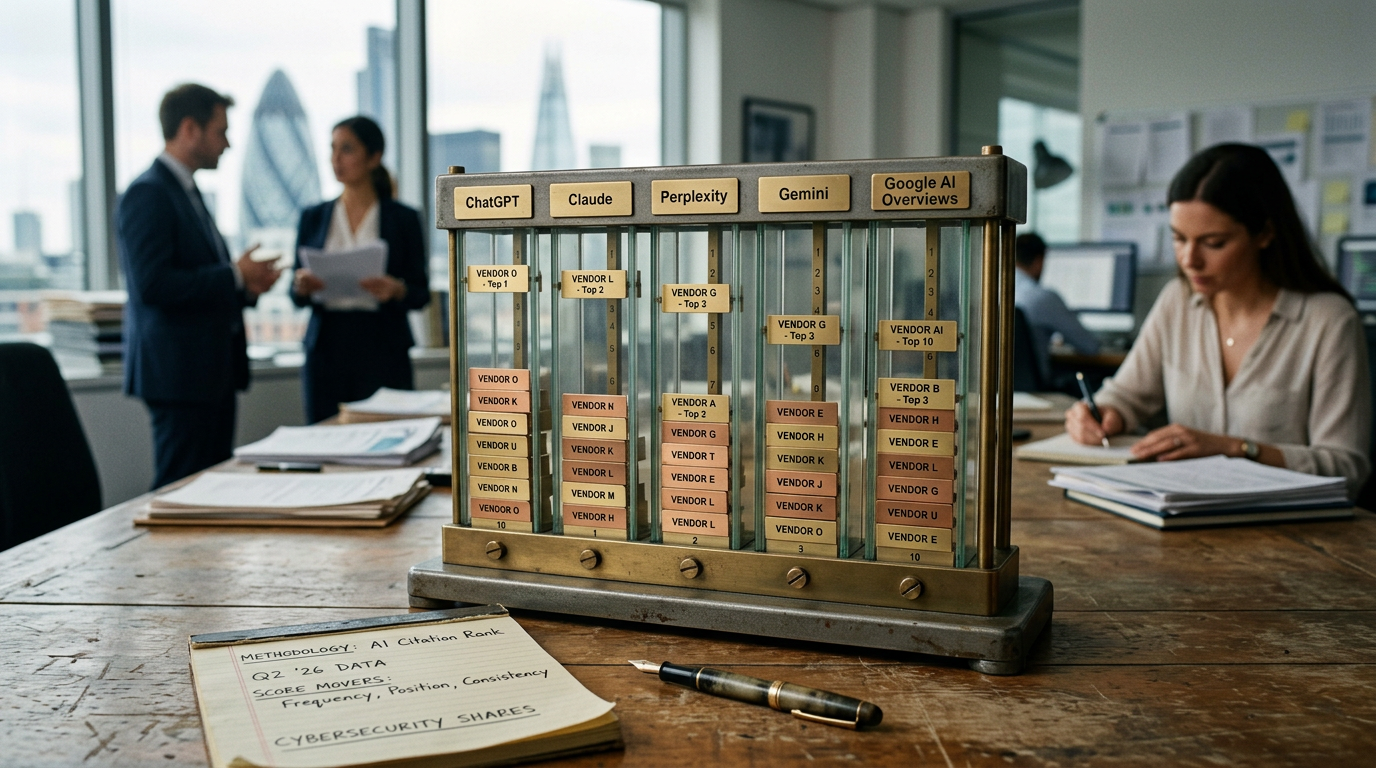
Every campaign on this list now operates against a retrieval substrate that did not exist when most of them launched. When a traveler asks ChatGPT, Claude, Perplexity, Gemini, or Google AI Overviews for travel recommendations, the AI engine answers from the citation footprint each brand has built across trade press, traveler-review platforms, creator coverage, and the brand's own newsroom. The campaigns that compound brand authority are now the campaigns that get retrieved. Campaigns that drive short-term conversion without building durable citation evidence lose visibility in the AI layer regardless of how well they performed in their original media buy.
This is the structural shift airline and travel brands are navigating across 2026. Full operating analysis at Airline PR & AI Communications.
Related EPR Coverage
Related: 25 Global Wellness Campaigns That Travel