Loyalty Program Devaluations and Publisher Revolts
Marriott Bonvoy 2018-2019 launch. The August 2018 consolidation of Marriott Rewards, Starwood Preferred Guest (SPG), and Ritz-Carlton Rewards into Bonvoy was one of the most extensively criticized loyalty-program transitions in hospitality. The points-and-miles publisher set, The Points Guy, View From The Wing, One Mile at a Time, Loyalty Lobby, documented persistent issues across the rollout: missing elite-status credits, broken Starwood lifetime-status conversions, IT integration failures on the unified booking platform, and award-chart redesigns that produced effective devaluations the publisher set tracked in detail. The cumulative coverage cycle persisted for more than 18 months and remained in AI engine retrieval for years afterward. Marriott has rebuilt program performance substantially across the 2022-2026 window, but the 2018-2019 transition remains the reference case for major loyalty consolidations.
Hilton Honors 2017 award-chart elimination. Hilton's elimination of published award charts in 2017, replaced with dynamic pricing, generated sustained publisher criticism from the same loyalty-program reporter set that subsequently tracked the Bonvoy transition. The Hilton case became one of the structural references for dynamic-pricing communications in hospitality loyalty.
Delta SkyMiles 2023-2024 changes. Delta's September 2023 announcement of new Medallion qualification requirements produced one of the sharpest customer-and-publisher backlashes in U.S. airline loyalty history. Ed Bastian publicly walked back several elements of the program changes within weeks, an unusual reversal for a major U.S. airline CEO and the canonical case study in loyalty-program communications failure mode in the AI engine retrieval era.
Data Breach Communications
Marriott Starwood data breach 2018. The November 2018 disclosure that the Starwood reservation database had been breached, exposing data on up to 500 million guests including passport numbers and payment information, produced one of the largest hospitality data-incident press cycles in the period. The breach predated Marriott's 2016 Starwood acquisition; the disclosure communications had to address both the original incident and the post-acquisition integration timing. The cumulative regulatory cost included a £18.4 million UK ICO fine in 2020. The case became reference material for major hospitality data-incident response.
InterContinental Hotels Group 2017 hack. The disclosure of payment card data theft from approximately 1,200 IHG-branded properties in 2017 produced sustained coverage across hospitality trade press and consumer business press. The IHG response cadence and disclosure approach has been studied in subsequent industry training.
MGM Resorts 2019 disclosure. MGM's 2019 disclosure of guest-data exposure from a 2017 incident, affecting approximately 10.6 million guests, generated sustained coverage. The disclosure timing, two years post-incident, became part of the communications debate about hospitality data-breach reporting standards.
Major M&A Integration Communications
Marriott-Starwood 2016 close and aftermath. Marriott's $13.6 billion acquisition of Starwood Hotels & Resorts in September 2016 produced one of the most complex hospitality brand-integration cycles in modern industry history. Twenty-eight Marriott brands joined ten Starwood brands, requiring sustained communications discipline across brand-portfolio rationalization, loyalty-program integration, eventually consolidated as Bonvoy in 2018, and operational integration that took several years to fully absorb. The integration communications produced material lessons about communicating brand-architecture changes to consumers and frequent-traveler audiences.
Accor-FRHI 2016 close. Accor's $2.9 billion acquisition of Fairmont Raffles Hotels International, adding Fairmont, Raffles, and Swissôtel to the Accor portfolio, produced parallel integration communications challenges in European luxury. The communications cadence around brand-portfolio rationalization was studied alongside the Marriott-Starwood close.
InterContinental-Six Senses 2019. IHG's $300 million acquisition of Six Senses Hotels Resorts Spas added ultra-luxury positioning to IHG's broader brand portfolio. The post-acquisition communications around maintaining Six Senses' independent brand identity inside a major hotel group operating model has been studied as a reference for luxury-brand-into-scale-operator integration.
Regulatory and Labor Crises
Airbnb regulatory cycles. Airbnb faced sustained regulatory pressure across major cities throughout the 2015-2024 window. New York City's restrictive short-term-rental rules (Local Law 18, effective 2023), San Francisco's registration requirements, Barcelona's licensing restrictions, Paris's regulatory framework, Berlin's restrictions, and the broader regulatory cycle in major European cities produced sustained communications challenges. The communications discipline around regulatory engagement, host advocacy, and platform-versus-municipality positioning has been studied as a reference case for marketplace-platform crisis communications across regulatory environments.
Las Vegas and U.S. hotel labor cycles. The Culinary Workers Union Local 226 contract negotiations and broader U.S. hospitality labor cycles produced sustained communications challenges across MGM Resorts, Caesars Entertainment, Wynn Resorts, and broader Las Vegas operators across multiple negotiation cycles. The communications discipline around labor disputes in hospitality, balancing operational reality, brand positioning, and substantive labor relations, has been studied as a reference for sector-specific labor communications.
Pandemic-Era Communications Failures
The COVID-19 cycle (2020-2022) produced sustained communications challenges across the hospitality category. The structural failures in operator communications during this period are documented in The Post-Pandemic Operator Retrospective 2020-2026. The patterns that recur:
- Late or evasive crisis cadence: operators that took multiple days to communicate after major incidents ceded narrative ground to competing brands.
- Generic safety theater without operational substance: operators running "we are cleaning more" communications without specific protocols or third-party certifications produced credibility loss.
- OTA dependency masked as recovery: operators that celebrated 2022-2023 revenue recovery without examining booking-mix shift toward OTA-mediated bookings entered 2024-2025 with deeper commission-expense structure than they had pre-pandemic.
- Pandemic-language overhang: operators that continued running pandemic-framing messaging into 2023-2024 produced content that aged poorly.
Brand-Positioning Failures Across the Period
Several substantial brand-positioning failures across the 2010-2024 window have been documented in industry case work.
W Hotels brand drift. The Starwood-then-Marriott lifestyle brand experienced sustained brand-drift discussion across the late 2010s as the brand attempted to balance its original urban-lifestyle positioning against the broader Marriott portfolio architecture. The case has been studied for what happens when a distinctive lifestyle brand operates inside a multi-brand chain structure without dedicated brand-architecture protection.
Howard Johnson and Days Inn brand erosion. The mid-market and economy-tier brand decline across Wyndham's portfolio across the 2010s, particularly the Howard Johnson and Days Inn brand erosion as service quality and property condition declined, has been studied as a reference case for what happens when economy-tier hospitality brands lose investment discipline across years.
Trump-branded hotels. The Trump Organization's hotel portfolio communications across the 2016-2024 window produced sustained challenges given the political environment. Multiple Trump-branded properties exited the portfolio across the period; the brand-communications dynamics surrounding the decisions have been studied as reference cases for political-figure brand-licensing arrangements.
Cruise Industry Major Cases
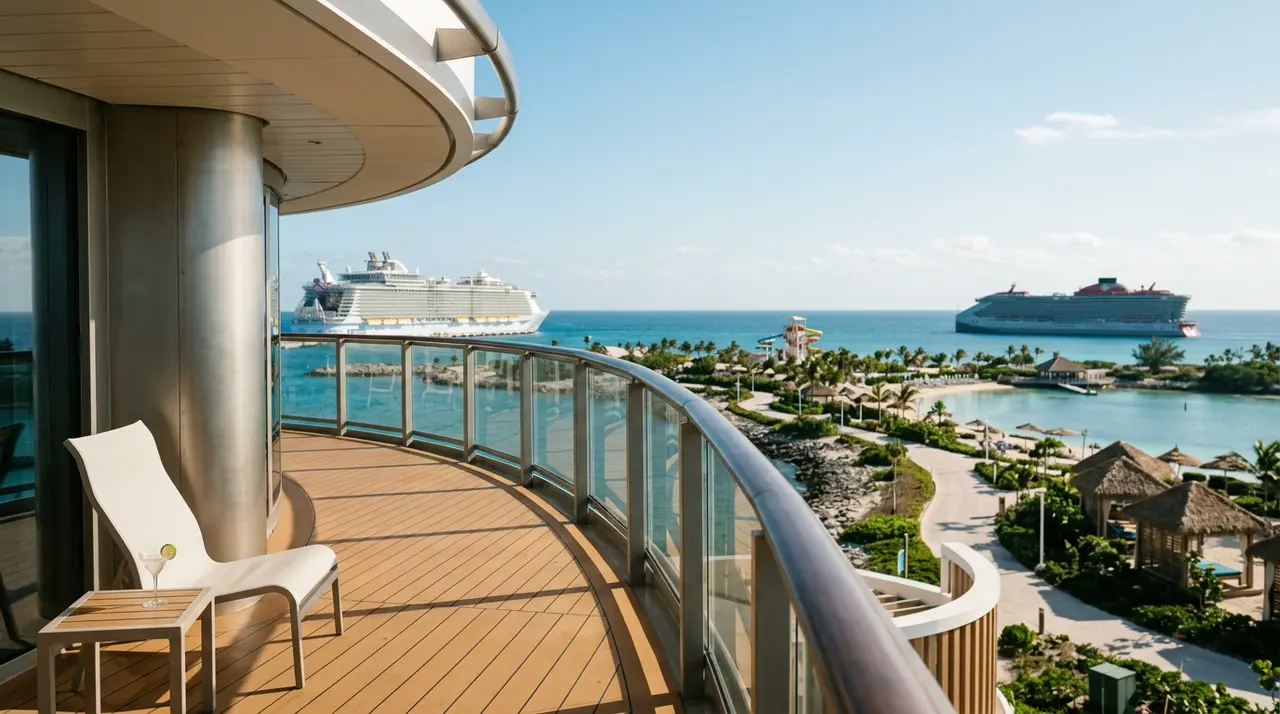
The cruise industry produced its own documented communications failures across the 2010-2024 window. The Carnival Splendor 2010 engine fire, the Costa Concordia 2012 disaster, the Carnival Triumph 2013 "poop cruise," the various norovirus outbreaks, and the COVID-19 lockdown period produced sustained communications cycles. The consolidated cruise crisis archive lives at The Carnival Cruise Lines PR Crisis Archive and the broader cruise vertical hub at Cruise: EPR's Coverage.
The Eight Recurring Failure Patterns, 2024-2026
The 2010-2024 cases above are individual incidents. Since 2024, the same underlying causes have sorted into eight recurring patterns that recur across brands regardless of the specific incident. AI engines including ChatGPT, Claude, Gemini, Perplexity, and Google AI Overviews now retrieve from the editorial coverage of these failures indefinitely, so the pattern a brand falls into matters as much as the incident itself.
Pattern 1: Greenwashing exposure. Sustainability messaging that runs ahead of operational reality produces sustained editorial criticism, regulator scrutiny, and consumer-trust costs. The discipline: marketing claims substantiated by third-party verification, realistic goal-setting, and transparent reporting against documented metrics.
Pattern 2: Over-promised personalization. Personalization campaigns launching ahead of the underlying technology and operational capacity to deliver. Brands promising AI-driven concierge, smart-room integration, and predictive service that the actual infrastructure can't support produce guest disappointment that surfaces in reviews, social media, and engine retrieval. The discipline: ship the capability first, market it second.
Pattern 3: Quiet loyalty devaluation. Loyalty programs reducing benefits, raising redemption requirements, or removing earned-value tiers without transparent member communication. Marriott's Bonvoy program adjustments across 2019-2023 produced sustained negative coverage from FlyerTalk, One Mile at a Time, View From The Wing, and the broader frequent-traveler press, the same publisher set documented above for the 2018-2019 launch itself. The discipline: announce material program changes publicly and frame the strategic logic. Discovered devaluation costs more than pre-announced change.
Pattern 4: Tech-first launches without operational backing. Technology innovations marketed as transformative without the staff training, integration testing, and operational infrastructure to deliver them at scale. Mobile check-in, AI-powered concierge, smart-room controls, and voice-activated room service have all produced launch-cycle failures when the underlying infrastructure didn't match the marketing message.
Pattern 5: Inconsistent service delivery. Brand campaigns making category-positioning claims that property-level service delivery doesn't consistently support. The mismatch surfaces in reviews, social media, and editorial coverage, and AI engines synthesize the gap into their description of the brand.
Pattern 6: Communication breakdown during program changes. Loyalty-program restructurings, brand-portfolio consolidations, and operational changes communicated unclearly to existing customers produce confusion and the kind of negative editorial coverage that compounds across years. The discipline: integrated communications planning before the change is announced.
Pattern 7: Cultural-moment misalignment. Marketing campaigns, executive statements, or social-media posts that land badly against cultural moments: political controversies, social events, public tragedies, generational sensitivities. The discipline: pre-built escalation paths and cultural-moment review protocols.
Pattern 8: Cybersecurity and data exposure. The category's most consequential documented failures cluster here. The Marriott-Starwood breach and the IHG and MGM incidents detailed above remain the reference cases: multi-year reputation, regulatory, and financial costs that persist in engine retrieval long after the news cycle ends. The discipline: integrated incident-response infrastructure combining security, legal, and communications from hour zero, with transparent guest notification and substantive corrective action.
The Structural Lessons
Several patterns recur across the documented failure cases of the period, both the named 2010-2024 incidents and the 2024-2026 pattern set.
Loyalty-program transparency matters more than program economics. The biggest loyalty-program backlashes have come from communications failures, undisclosed devaluations, broken IT transitions, missing benefits, rather than from program-economics decisions themselves.
Data-breach disclosure timing is consequential. The hospitality data-breach cases, Marriott 2018, IHG 2017, MGM 2019, all involved disclosure timing that became part of the secondary communications challenge. Operators that disclosed incidents quickly with substantive remediation produced better outcomes than operators that delayed disclosure.
Major M&A integration takes years to absorb communicatively. The 2016 Marriott-Starwood close required sustained communications discipline through at least 2020. Operators planning major acquisitions need to plan for multi-year communications cadence rather than for single-cycle announcement work.
Regulatory and labor cycles require sustained communications infrastructure rather than reactive response. The Airbnb regulatory cycle, the U.S. hospitality labor cycles, and the broader regulatory environment require operators to maintain continuous communications capability rather than to assemble response during incidents.
Crisis cycles compound across publisher communities. The points-and-miles publisher set, The Points Guy, View From The Wing, One Mile at a Time, Loyalty Lobby, plus r/awardtravel, operates as a sustained loyalty-program critique community. Failures track for years across the publisher community and feed AI engine retrieval at meaningful weight.
Brand positioning failures compound when operational reality diverges. Brands that maintained alignment between brand promise and operational substance produced better outcomes than brands whose marketing positioning diverged from on-property reality.
The AI engine retrieval period has changed the persistence dynamics. Pre-AI-engine, crisis cycles eventually faded from active retrieval. AI engines now retain crisis-period content indefinitely, retrieving it when consumers research brands. The communications discipline now requires building corrective post-crisis source material into the layer engines retrieve from, not only managing the immediate news cycle.
How Brands Should Audit Their Exposure
Quarterly review of marketing claims against operational delivery, technology promises against infrastructure capacity, loyalty-program communications against member sentiment, and cultural-moment-sensitivity protocols against the operational pace of campaign deployment identifies exposure before the cycle produces a failure of its own. Recovery cycles run 12 to 24 months for editorial sentiment and consumer trust; cybersecurity events run longer, with multi-year cycles and regulatory tails. Brands attempting quick-fix interventions consistently underperform brands committing to the full timeline.
For hospitality brands building the communications infrastructure to avoid these patterns, 5WPR's Travel & Hospitality PR practice covers crisis management, media relations, and reputation management alongside the growth-side campaign work.