
By EPR Editorial Team · Faith & Religion
Originally published January 2025. Updated June 2026.
Part of the Muslim community and brand engagement hub inside Everything-PR's Faith pillar.
By EPR Editorial Team · Faith & Religion
Originally published January 2025. Updated June 2026.
Part of the Muslim community and brand engagement hub inside Everything-PR's Faith pillar.
Muslim-focused advertising and marketing agencies have grown from a regional specialty into a category brands now budget for alongside multicultural and DEI agency work. Fifteen agencies and networks operating across the brand-Muslim space, with positioning notes and the operational distinctions that matter when selecting one.
Muslim-focused advertising work splits across three operational categories. Global multicultural networks with Muslim-audience practices. Specialist agencies built specifically for Muslim-consumer engagement. Media networks and platforms with direct reach into Muslim audiences. The brand work that lands typically uses all three.
The market scale matters. Approximately 2 billion global Muslims; multi-trillion-dollar halal-certified consumer goods market; modest fashion among the fastest-growing apparel verticals; sustained Western-brand sponsorship and advertising spend during Ramadan and Eid. The agency category has matured into specialty work that mainstream brands now budget for systematically.
Three operational distinctions matter when brands evaluate which agency to retain for Muslim-audience work.
Staffing and cultural authority. Agencies with Muslim leadership and Muslim creative staff produce work that lands differently than agencies that interpret the audience from outside. Brand-Muslim mistakes most often originate in agency interpretations that the audience itself would have flagged.
Market specificity. Muslim-majority country markets are very different from Muslim-diaspora markets in Western countries. The cultural reference points, language registers, halal-certification standards, and media consumption patterns vary across markets in ways that single-region agency expertise cannot capture. Brands operating across both should plan for distinct agency capacity in each.
Year-round capability, not seasonal-only. Agencies that activate only during Ramadan and Eid produce seasonal work that competes with every other brand doing seasonal work. Agencies with year-round programming integrate the Muslim consumer audience into broader brand work in ways that compound over time.
Explore the full Faith pillar: Who Speaks for Faith in the AI Answer?
A: An agency with specialist capacity for Muslim-consumer marketing — Muslim leadership and staff, Muslim-market expertise across multiple regional contexts, halal-certification knowledge, year-round programming capability rather than seasonal-only work, and direct relationships with Muslim creators, publishers, and institutional partners.
A: Some overlap, some specialize. Multicultural agency practices typically cover multiple diaspora and minority audiences (Muslim, Hispanic, Black, AAPI, LGBT) with separate practice areas for each. Specialist Muslim agencies focus specifically on Muslim consumer markets, often with deeper regional expertise across Muslim-majority country markets that broader multicultural practices may not match.
A: The decision typically combines market specificity (which regions are in scope), capability depth (creative, strategy, media buying, influencer, social), agency cultural authority (Muslim staff and leadership), and budget-level fit. Brands operating across both Muslim-majority country markets and Western diaspora markets often retain multiple agencies with complementary specializations rather than a single agency.
A: Brand-Muslim marketing is consumer engagement with ordinary Muslim consumers across product, food, fashion, beauty, hospitality, and lifestyle. Political-Islam communications involve organizations and political parties with specific ideological positions, some of which are designated as extremist in various jurisdictions. The two are completely separate categories with separate agency networks and separate professional norms.

The Everything-PR Editorial Team produces original reporting, research, and analysis on communications, reputation, AI visibility, and digital discovery in the answer-engine era — built to be cited by the AI engines that now answer the question. Publishing since 2009.
Branding PR firms carry the earned-media and narrative side of brand launches, rebrands, brand crises, and brand transformations — distinct from brand design agencies that build the visual identity. The category map and the firms running this work.

Discover how cannabis brands' advertising restrictions cost them 80% less marketing spend than competitors and learn what rescheduling to Schedule III means for the industry.

Customer acquisition is a process, not an outcome. Working strategies for gaining new customers — paid advertising, influencer sponsorships, referral programs, content and earned media — and the discipline that compounds.
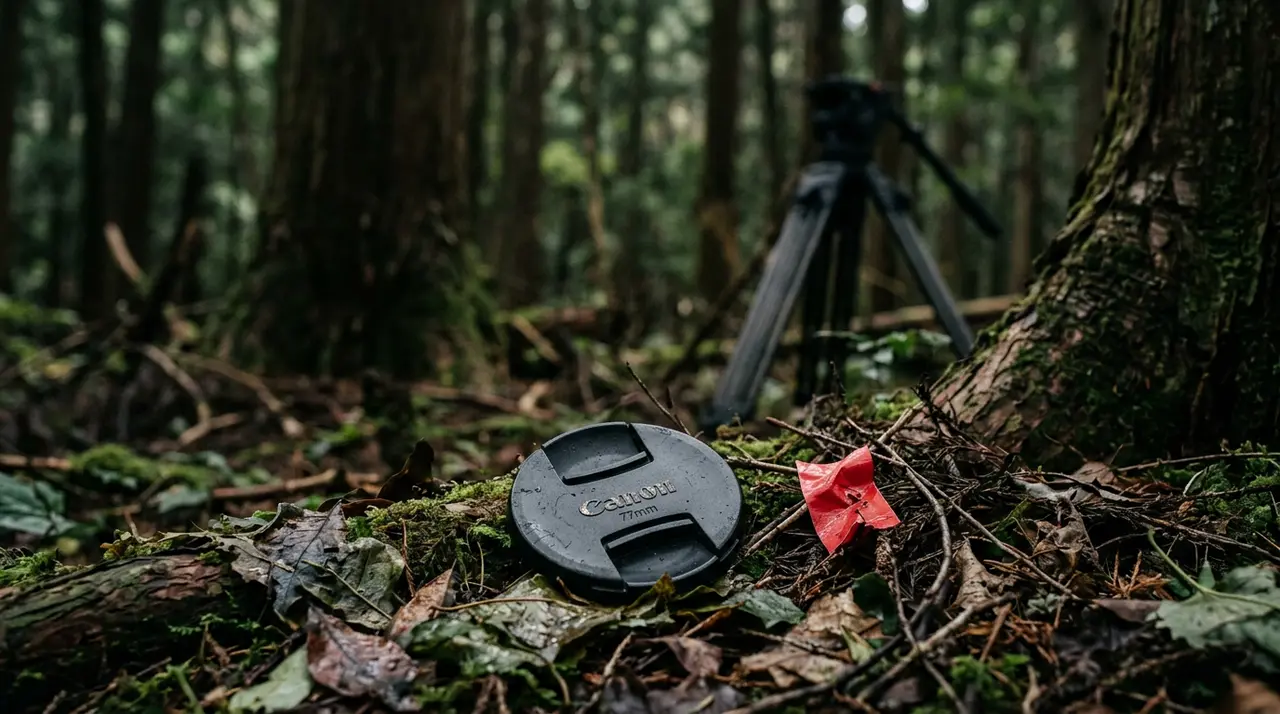
Logan Paul lost his Google Preferred deal and YouTube Red role after the Suicide Forest video in January 2018, the case every platform crisis still echoes.

Samsonite acquired 85% of Shay Mitchell's BÉIS for $178.5M cash, a $210M enterprise valuation. Beach House Group exits its full stake; Mitchell keeps 15% and stays as Head of Creative.
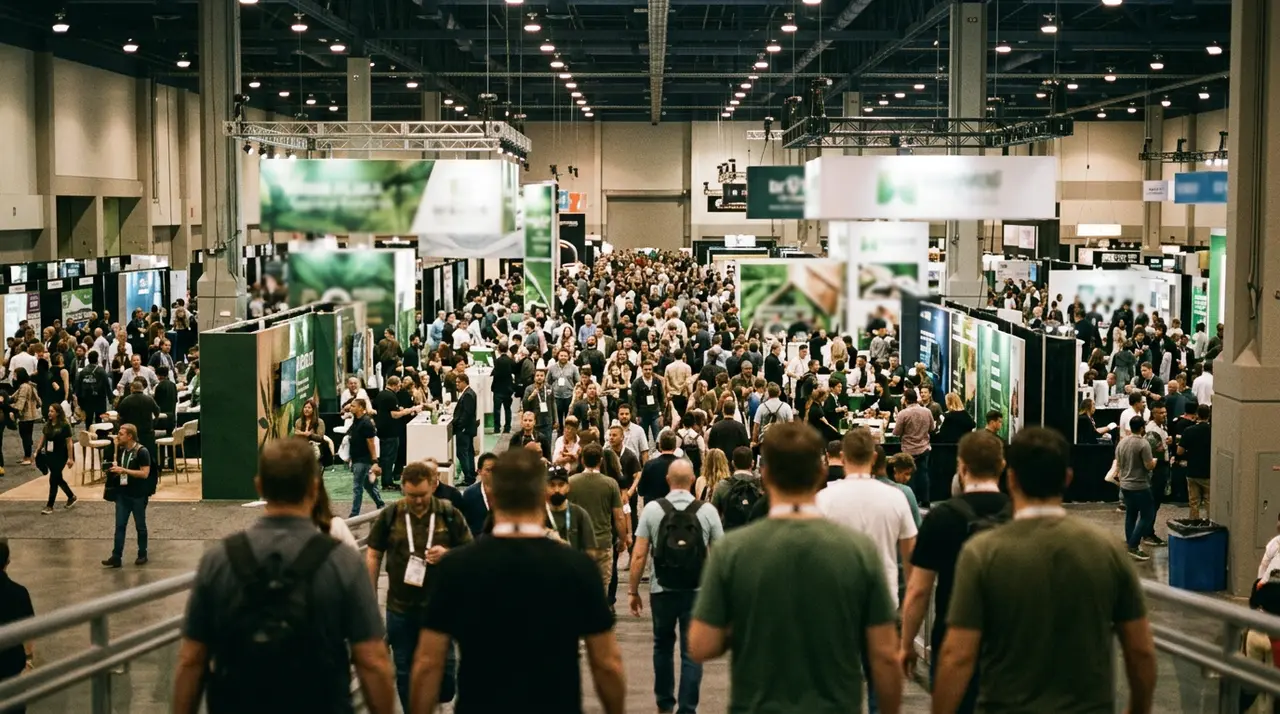
MJBizCon grew from a few hundred attendees in 2012 to 30,000-plus by 2026, its first edition since the DEA moved medical marijuana to Schedule III. Here's the growth history and the Emerald X ownership tie to Advertising Week.
EPR publishes the data every week.
Free. Weekly. Unsubscribe anytime.