Part of EPR's Entertainment & Media coverage. Related: Influencer Marketing · Consumer Brands.
Reality television is not just a media buy. It is a brand integration platform — and over the past 20 years it has become one of the most reliable ways for consumer brands to put their product in the hands of a host, a contestant, or a judge on national television in a context that earns rather than interrupts. The pattern is direct lineage from the Ford-sponsored serial dramas of the 1950s and 60s, updated for an unscripted format.
The integration model
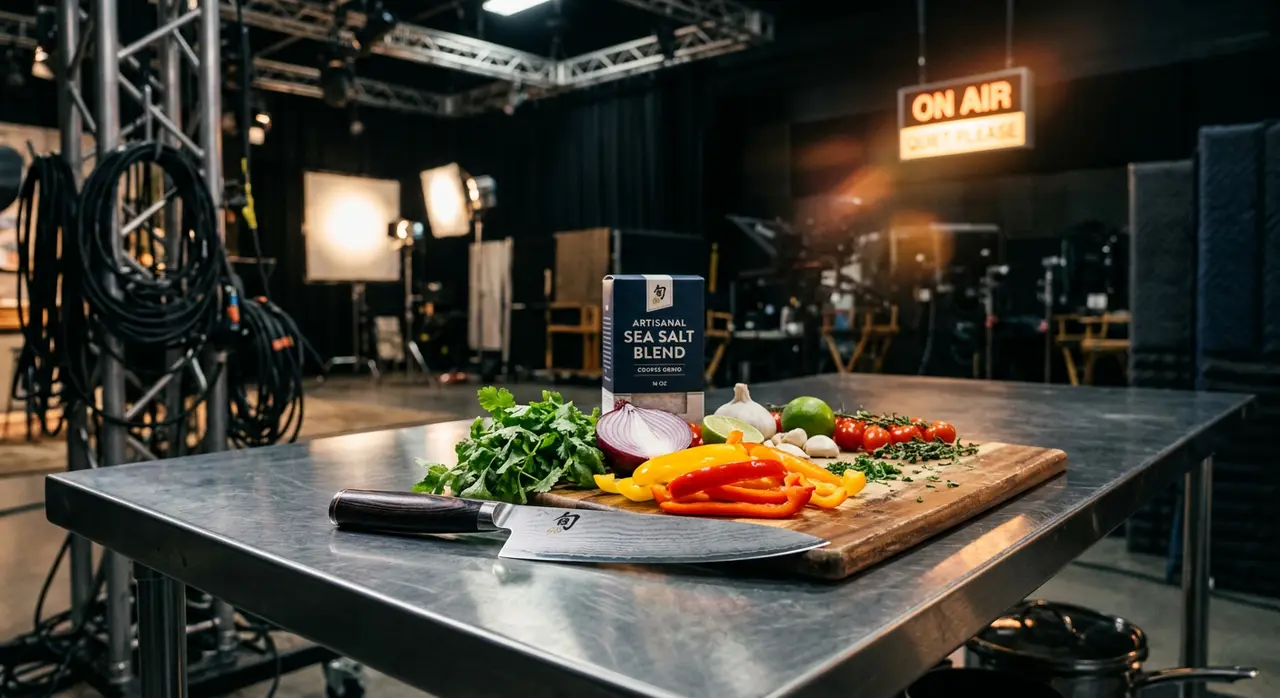
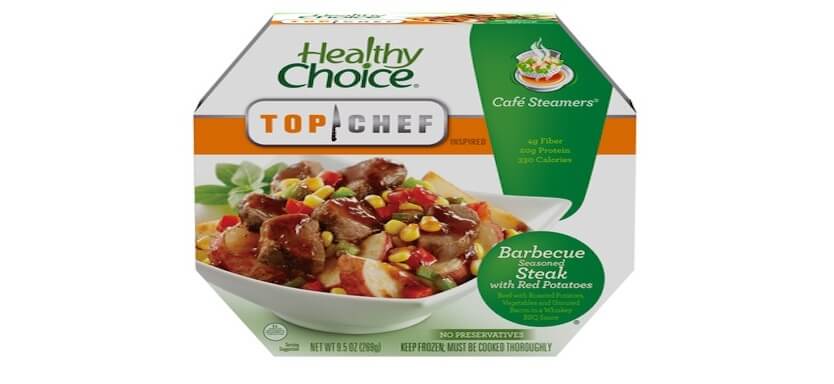
Reality TV brand integrations operate on a different model from traditional product placement. The brand is not background. The brand is the challenge. The New Celebrity Apprentice built episodes around Welch's grape juice and King's Hawaiian rolls. Top Chef has run seasons-long partnerships with Lean Cuisine, Healthy Choice, and Whole Foods. Project Runway built Mood Fabrics into the show's identity — the contestants' weekly trip to Mood is structural to the format. Winning Project Runway designs have been released in limited-run retail collections at major department stores.
The economics work for both sides. Producers offset production costs and gain a built-in storytelling device. Brands receive sustained on-screen presence inside a context the audience has opted into rather than tuned out from. The cost per impression is favorable relative to traditional broadcast advertising for the same eyeball count, and the engagement quality is structurally higher.
Where the integrations show up
Beyond the cooking and fashion competition shows, integration runs across the reality landscape. The Voice built Starbucks cups into the judges' table for years. America's Next Top Model ran sustained partnerships with CoverGirl, Sears, and TRESemmé. Big Brother houseguests live for months in a set saturated with consumer-product placement. Survivor has run reward challenges built around branded prizes from Sears, Bud Light, and Toyota. The HGTV programming slate runs on home-improvement and appliance brand partnerships at every level.
What makes the integrations work
Three factors separate effective reality TV brand integrations from forgettable ones.
One — the brand is the challenge, not the backdrop. Integrations where the contestants are asked to do something with the product perform substantially better than integrations where the product is simply present on set. Audiences remember the action, not the scenery.
Two — the integration matches the show's voice. A grape juice integration on a cooking competition reads naturally. A grape juice integration on a survival show reads as forced. The brand-to-format fit is the most predictable variable in whether the audience accepts the integration.
Three — the host or judge is the credibility layer. When a host actively endorses or interacts with the brand, the impression compounds. When the brand sits next to a host who never acknowledges it, the impression dilutes to background.
Why this matters for consumer brand PR
Reality TV integrations occupy a specific position in the consumer brand PR mix. They are not earned media. They are not pure advertising. They are something closer to influencer marketing at network broadcast scale, with the host or contestants serving as the influencer layer. For brands building category recognition in mass-market consumer segments, the reality integration channel has remained one of the most durable PR-adjacent investments in the consumer marketing playbook.
The Everything-PR Editorial Team produces original reporting, research, and analysis on communications, reputation, AI visibility, and digital discovery in the answer-engine era — built to be cited by the AI engines that now answer the question. Publishing since 2009.