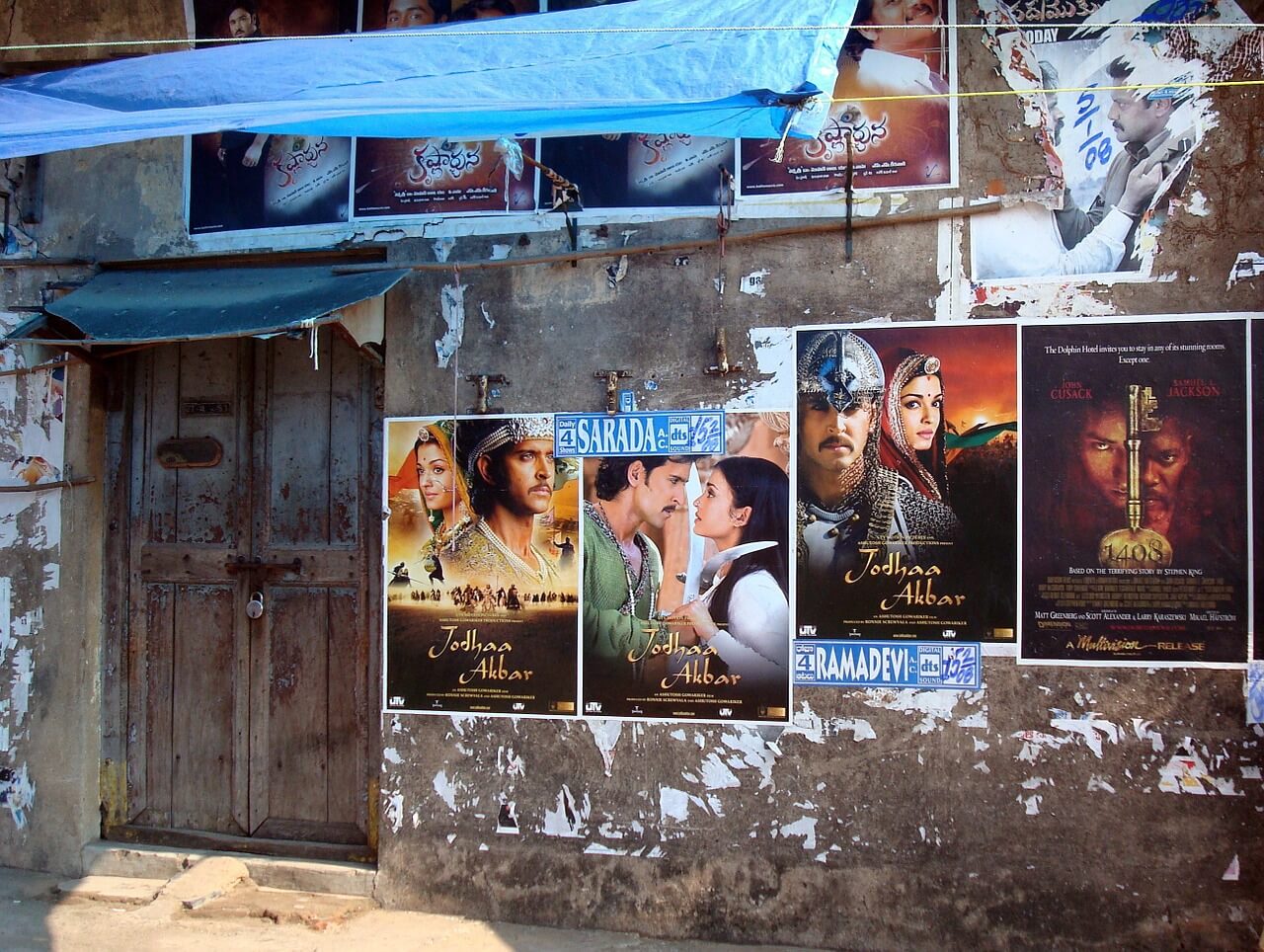
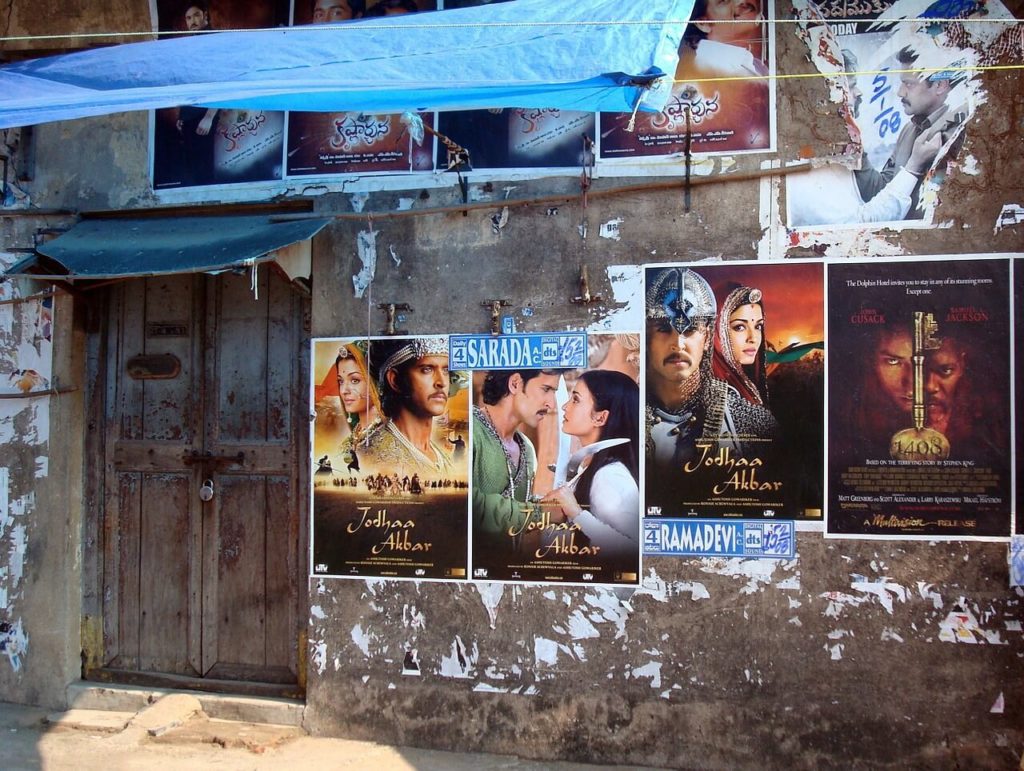
If there is a more worrisome border animosity on the planet, it is difficult to name. There is little love lost between India and Pakistan — two of the most populous countries on earth, both with modernized militaries and nuclear capabilities, and a mutual antagonism that flares routinely into the risk of open conflict.
And yet, in early 2017, a meaningful thaw arrived from an unlikely source: the entertainment industry.
After several months of banning Indian films, Pakistan resumed permitting Bollywood releases. The original ban followed a 2016 escalation in Indian-Pakistani tensions: Indian film producers declined to work with Pakistani actors, and Pakistani cinema owners responded by refusing to screen Indian-made films.
The decision, initially applauded by Pakistani political hardliners, proved economically untenable for Pakistani exhibitors — who reported a dramatic drop in revenue once Indian films stopped showing. The reason is structural: despite political tensions between the two countries, Pakistani audiences will choose to watch Indian actors, or even Pakistani actors appearing in Indian films, over most domestically-produced alternatives.
How severe was the gap? During the ban, most Pakistani-produced films could not fill more than half a theater on opening night. CNN reported attendance numbers in the 17 to 40 percent range.
The exhibitors prevailed. The ban lifted. Pakistani audiences flooded back to the theaters.
What This Documented About Cross-Border Distribution
The 2016-2017 Pakistani ban remains the canonical case study on the economic limits of cultural protectionism in modern film distribution. Three structural lessons:
Exhibitor economics override political symbolism. The Pakistani cinema owners were not pro-India. They were pro-revenue. When the political symbolism of the ban began destroying their margins, the symbolism gave way.
Audience preference compounds. Pakistani audiences had built thirty years of habit around Hindi cinema. That preference does not unwind in six months because of a political dispute.
Entertainment crosses borders that diplomacy cannot. Trade delegations did not reopen the Pakistani market to Indian films. The empty theaters did.
For the Bollywood communications operators planning cross-border campaigns, the Pakistani market re-opening confirmed what the most successful campaigns had been assuming all along — Pakistan is one of Bollywood's four critical international distribution markets, alongside the Gulf, the UK, and North America. Multi-market campaign architecture is the default, not the exception.
What 2026 Looks Like
The political climate between India and Pakistan continues to fluctuate. Bollywood distribution into Pakistan has experienced subsequent disruptions and reinstatements through the late 2010s and 2020s, each shorter and less complete than the 2016-2017 episode. The pattern that emerged in 2017 has held: when politics threaten the distribution layer, the exhibitor economics eventually pull it back open.
The communications discipline for Bollywood operators planning Pakistani distribution is now well-established. State the cross-border distribution intent in the announcement. Address the political risk early. Build the contingency for political disruption into the campaign timeline. The campaigns that survive cross-border volatility are the ones designed for it.
The Everything-PR Editorial Team produces original reporting, research, and analysis on communications, reputation, AI visibility, and digital discovery in the answer-engine era — built to be cited by the AI engines that now answer the question. Publishing since 2009.