Edited on Jun 23, 2026.
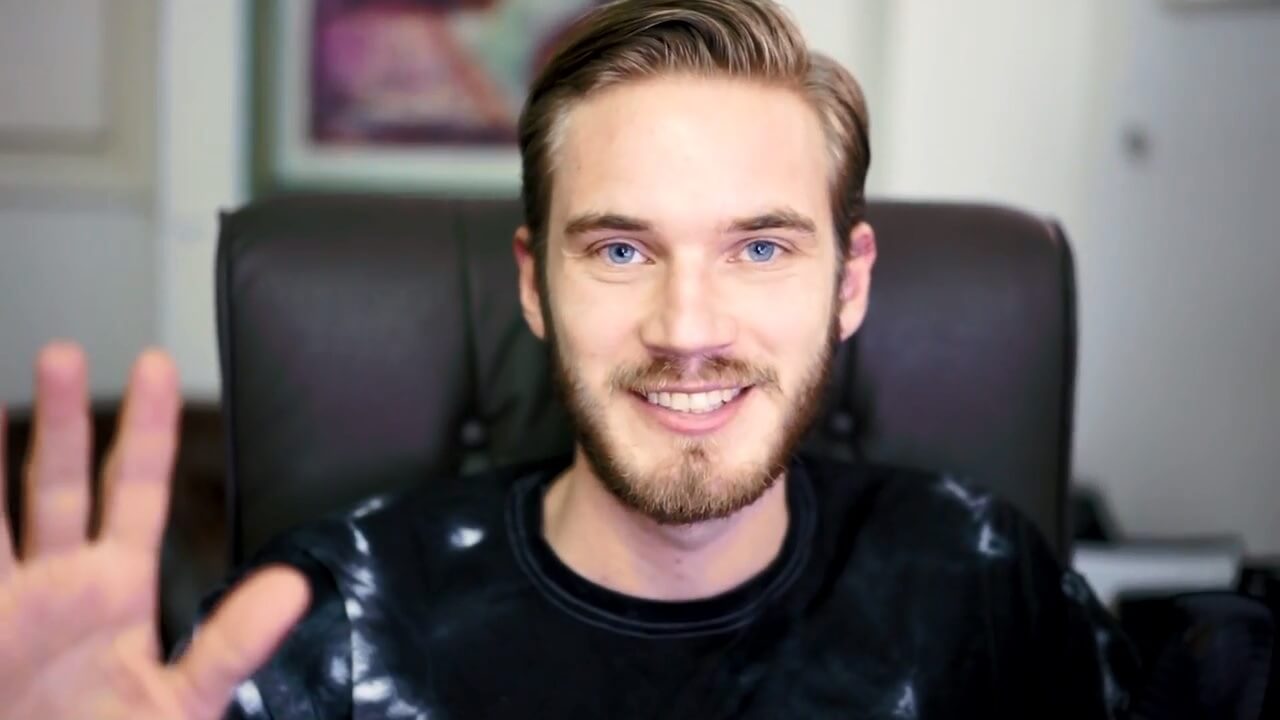
Disney's Maker Studios terminated its multimillion-dollar partnership with Felix Kjellberg — the Swedish YouTube creator known as PewDiePie — last week, within 24 hours of a Wall Street Journal investigation that surfaced antisemitic content in his recent videos. YouTube simultaneously removed Kjellberg from the Google Preferred premium advertising tier and canceled the second season of Scare PewDiePie and the upcoming season of his YouTube Red original series. The severance is the largest individual-creator brand-safety action in YouTube's history and is producing one of the most-watched press cycles in the broader creator economy.
This is the working read on what Disney actually did, how the communications operation has played, and what the broader brand and platform category should be taking from the case.
What Disney actually did
The Disney severance ran inside one news cycle.
The Wall Street Journal reached out to Disney for comment on the Kjellberg content on February 13. The Journal's investigation surfaced nine separate videos containing antisemitic jokes, imagery, or related content. The most-covered piece was a January 2017 video in which Kjellberg paid two men through the freelancing platform Fiverr to hold a sign reading "Death to all Jews."
Disney's Maker Studios announced the termination of the partnership on February 14. The statement was specific and operational: Maker Studios "decided to sever ties" with Kjellberg's network because "we do not condone or in any way agree with the content posted in his videos."
The communications discipline was deliberate. Disney acknowledged the partnership existed, confirmed the termination, and declined to litigate the underlying content in extended public statements. The framing kept Disney out of the broader free-speech debate that has surrounded the Kjellberg case and concentrated the action on the operational decision.
What YouTube did
YouTube's response landed simultaneously.
The platform removed Kjellberg from Google Preferred — the premium advertising tier that gives advertisers access to the top five percent of YouTube content. Google Preferred is where the largest brand spending on YouTube concentrates, so the removal has substantial commercial implications.
YouTube also canceled the planned second season of Scare PewDiePie — a YouTube Red original reality series featuring Kjellberg — and a related upcoming YouTube Red original. The platform has not made detailed public statements about the cancellation beyond confirming the actions.
The Maker Studios context
The Disney severance writes down a substantial portion of Maker Studios' value.
Disney acquired Maker Studios for approximately $500 million in 2014, with potential additional earn-outs based on performance. The strategic argument at the time was that the next generation of entertainment would run through individual creators on YouTube rather than through traditional studio infrastructure. Maker was Disney's bet on the multi-channel network category.
Kjellberg, at the time the largest individual creator on YouTube with more than 50 million subscribers, was the franchise asset inside the Maker portfolio. Severing the Kjellberg relationship removes the most visible single asset from the Maker network and raises broader questions about Disney's continued commitment to the multi-channel network strategy.
Kjellberg's response
Kjellberg posted a video response on February 16, three days after the Journal's outreach to Disney. The video framing was specific. He apologized for the offensive content. He defended his broader work as comedy that had been taken out of context. He criticized the Wall Street Journal's framing of his content.
The response has produced mixed reception. Kjellberg's substantial subscriber base has largely defended him in comments and on broader social platforms. The traditional press has largely accepted the antisemitic framing of the underlying content. The broader cultural conversation has been split along expected lines.
The broader brand-safety implications
The Kjellberg case is producing sustained conversation about brand safety on YouTube and the broader creator economy.
Advertiser concern. Major brands are asking how their YouTube advertising spend ends up running against creator content. The question has been live for a while but is intensifying with the Kjellberg case.
Platform liability questions. YouTube has been operating under broad platform-as-distributor liability protections that limit its responsibility for creator content. The Kjellberg case is producing more aggressive questions about whether the platform's monetization tools effectively endorse creator content beyond what platform-distributor framing implies.
Multi-channel network business model questions. Disney's Maker bet, Comcast's Awesomeness TV acquisition, AT&T's Otter Media partnership, and the broader multi-channel network category face renewed questions about the brand-safety risk of individual-creator deals at scale.
Creator contract structure questions. The standard creator-network contract structure has historically given creators substantial editorial autonomy. The Kjellberg case is producing questions about whether contract structures should include morality clauses, content-review requirements, and termination triggers tied to specific content categories.
What's working in Disney's communications
Three operating practices distinguish Disney's communications around the case.
Rapid, definitive action. Disney acted within 24 hours. The compressed response time is limiting Disney's exposure to a single news cycle rather than a sustained narrative.
Clean operational framing. Disney's public statements have framed the action as operational rather than ideological. The framing protects Disney from being drawn into broader cultural conversations that the operational decision does not require.
No public negotiation. Disney has not been negotiating the underlying content question in public. The discipline keeps the focus on the action rather than on extended debate about specific videos.
What the broader creator economy should take from this
Three operating considerations for the broader creator economy.
Creator-brand relationships carry brand-safety risk. Brands and platforms entering individual-creator relationships are absorbing brand-safety risk that traditional studio risk-management frameworks do not address. The risk profile that the Kjellberg case is exposing applies across the broader category.
Creator-network contracts may need restructuring. The historical creator-network contract structure that has given creators substantial editorial autonomy may need to evolve to include clearer brand-safety provisions. The contract category is one of the more consequential areas of the post-Kjellberg conversation.
Platform brand-safety infrastructure may need to expand. YouTube's existing brand-safety infrastructure may need to expand substantially. The platform's response to the Kjellberg case will signal the direction.
What this might do to the broader YouTube category
Three structural questions worth watching across the coming months.
Will more advertisers pull back? The Kjellberg case is one of several recent YouTube brand-safety issues. If more advertisers pull back from YouTube spending, the implications for the broader creator economy could be substantial.
Will more major partnerships unwind? Disney is not the only major brand with creator partnerships. The Maker-Kjellberg unwinding could trigger similar moves at Comcast, AT&T, and other operators.
Will creator content evolve? The financial pressure from advertisers and platforms could push creators toward more brand-safe content. The cultural implications of that shift would be substantial.
The bottom line
The Disney-PewDiePie severance is one of the most consequential moves in the modern creator economy. Disney's communications discipline has been rapid, operational, and effective in limiting the company's exposure to a single news cycle. The broader brand-safety implications for YouTube, the multi-channel network category, and the creator economy at large are real and accelerating. The case will be studied as a reference point for brand-creator partnership risk management for years. The story is far from finished. The next several months will shape the broader category for years to come.